


From Destination to Doorstep
The classic travel formula is simple: pick a city or national park, book the nearest convenient hotel, and spend your days out exploring. But a different kind of trip planning is taking hold. Travelers are now starting their search not with 'where,' but
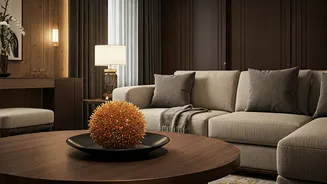
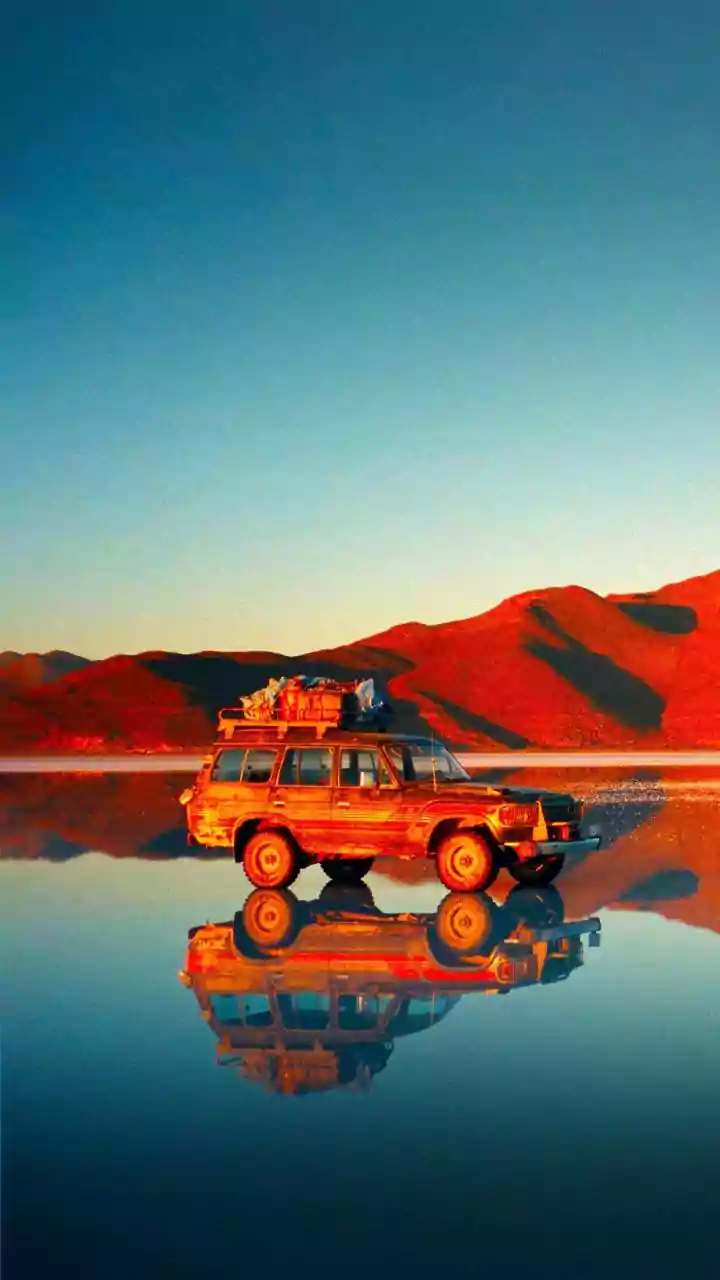
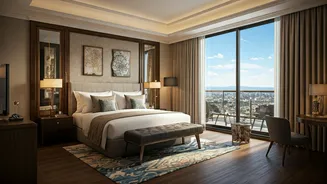
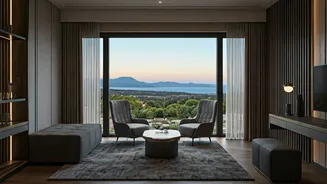
with 'what kind of place.' They fall in love with a meticulously designed desert cabin, a lakeside A-frame with a vintage record collection, or a city loft with a rooftop garden, and only then do they build an itinerary around it. If an itinerary is built at all. For many, the property *is* the experience. Instead of a packed schedule of museums and restaurants, the main events are enjoying a morning coffee with a panoramic view, cooking a meal in a chef-grade kitchen, or gathering around a fire pit under the stars. The accommodation has evolved from a functional necessity into the central attraction.
The Post-Pandemic Pivot
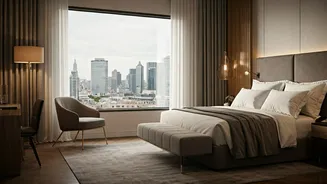
This isn't a random quirk; it’s a behavioral shift accelerated by recent history. The pandemic fundamentally changed our relationship with our homes and our concept of escape. After being confined to our own spaces, the idea of simply trading one set of four walls for a more beautiful, inspiring, or better-equipped set became incredibly appealing. It offered a change of scenery without the perceived risks or logistical headaches of crowded tourist hubs. Furthermore, the explosion of remote and flexible work has untethered millions of Americans from the office. A 'workcation' is far more palatable when your temporary office is a sun-drenched room overlooking the ocean. This blend of work, life, and leisure makes the quality and amenities of a rental more critical than ever. It's less about a vacation from life and more about enhancing it in a new location.
The Allure of the 'Experience' Stay
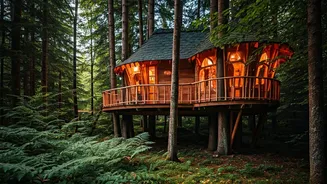
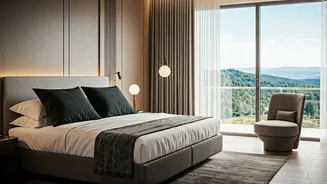
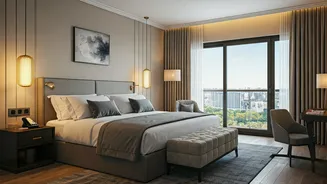
What defines this new 'perfect stay'? It’s less about traditional five-star luxury and more about curated character and experiential amenities. A standard hotel room offers a bed and a bathroom; a destination stay offers a narrative. It might be a treehouse that fulfills a childhood dream, a historic farmhouse that feels like stepping back in time, or an ultra-modern home that feels like living in an issue of an architecture magazine. Rental platforms like Airbnb and Vrbo have noted sharp increases in searches for properties with unique features—pools, hot tubs, professional kitchens, and even specific aesthetics like 'cabin' or 'barn.' The stay becomes a self-contained ecosystem of enjoyment. You don't need to leave because the very reason you came is right where you are. This is the appeal of the 'destination hotel' concept, now democratized for the rental market.
A Social Media-Fueled Phenomenon
It’s impossible to ignore the role of social media in amplifying this trend. A unique stay is inherently photogenic. The visual-first nature of platforms like Instagram and TikTok has turned striking accommodations into viral sensations. That geodesic dome in the woods or the chicly renovated Airstream isn't just a place to sleep; it's a backdrop for content, a visual signifier of a life well-lived. This creates a feedback loop: travelers see an amazing property online, book it to capture their own version of the experience, and share it, fueling its popularity further. The accommodation is no longer just part of the travel story; for many, it's the lead character. This focus on aesthetics and shareability has incentivized hosts to invest heavily in design, turning rental properties into carefully crafted, camera-ready sets for modern life.