
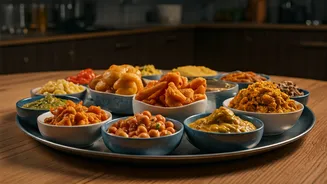
The Great Indian Menu Myth
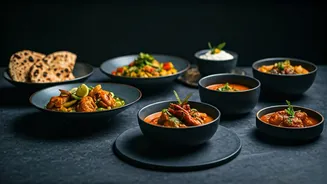
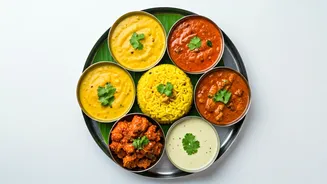
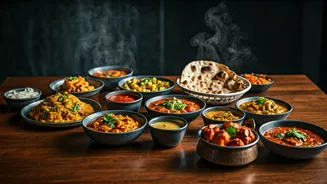
Walk into a typical Indian restaurant in any American city, and you could probably write the menu from memory: creamy chicken tikka masala, pillowy naan bread, crispy samosas, and vibrant palak paneer. This food is delicious, comforting, and wildly popular.
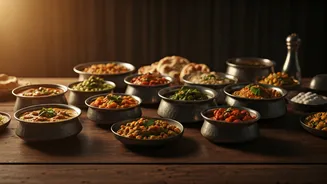
But here's the secret: it’s not “Indian food.” It’s largely North Indian food, with a heavy influence from the Punjab region. This culinary shorthand happened for a reason. Early waves of Indian immigrants to the West, particularly the U.K. and U.S., were predominantly from Punjab. They opened restaurants serving the familiar, hearty flavors of home. The rich, tandoor-cooked, and cream-based dishes were an easy and successful introduction for Western palates. For generations, this menu became a global ambassador for Indian cuisine, simplifying a subcontinent of flavors into one convenient, and profitable, package. But in doing so, it flattened a landscape of immense culinary diversity.
A Continent on a Plate
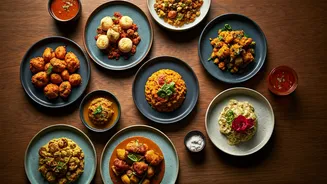
To understand the new trend, you have to appreciate the sheer scale of India's culinary map. Thinking of “Indian food” as a single entity is like calling “European food” a cuisine. The food of coastal Kerala in the south, with its reliance on coconut, fresh seafood, and tangy tamarind, is a world away from the mustard oil and delicate freshwater fish preparations of Bengal in the east. The desert cuisine of Rajasthan in the west favors hardy grains and long-lasting pickles, while the food of the Himalayan foothills in the northeast might feature fermented bamboo shoots and smoked meats. Each of India’s 28 states and 8 union territories has its own signature dishes, distinct spice blends (masalas), cooking techniques, and staple ingredients shaped by climate, agriculture, and history. The new wave of “multi-state” dining isn't about fusion; it’s about representation. It’s a movement to finally put these distinct culinary identities on the menu, side by side, allowing diners to travel from Goa to Gujarat to Tamil Nadu in a single meal.
Chefs as Culinary Storytellers
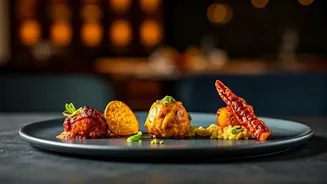
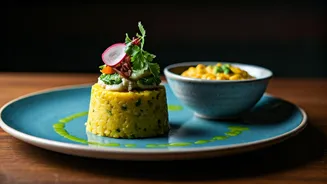
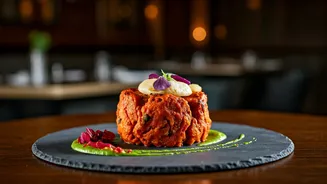
At the forefront of this movement are a new generation of chefs who see themselves as curators and storytellers. Many are second-generation Indian Americans, or chefs who have spent years traveling through India, who are eager to share the specific flavors of their own heritage—the food they grew up eating at their grandmother's table, not the food they saw in restaurants. Chefs like Chintan Pandya of New York's acclaimed Dhamaka and Semma have become famous for rejecting the “greatest hits” model. Instead, they champion “unapologetic” regional food, presenting dishes exactly as they would be served in their place of origin. These menus are an education. You might find goat neck biryani from a provincial capital, fiery pepper chicken from Tamil Nadu, or steamed fish from a Bengali kitchen. These dishes aren't just novel; they’re deeply personal, serving as a direct connection to a specific place and a specific family history. The goal is to celebrate, not to compromise, offering diners a taste of something real and deeply rooted.
Why Now? A Hunger for Authenticity
Several forces are fueling this delicious trend. First, diners are more adventurous than ever. Thanks to travel shows, the internet, and a general broadening of the American palate, people are actively seeking new and authentic experiences. They don't just want dinner; they want a story and a sense of discovery. Second, there’s a growing pride among diaspora communities. Instead of assimilating their food to please a perceived mainstream taste, chefs and restaurateurs are finding success by celebrating their hyper-regional identities. Finally, the logic of the restaurant business has evolved. While the old model relied on a safe, predictable menu, the new model thrives on distinction. In a crowded market, a unique menu focusing on, say, the food of India's Parsi community or the vegetarian feasts of Karnataka, is a powerful way to stand out. It transforms a restaurant from a generic ethnic spot into a culinary destination.