







From Bodybuilders to Everybody
For decades, the weight room was typecast as the domain of muscle-bound men chasing aesthetics. It felt intimidating, governed by unwritten rules and populated by people who looked like they were training for a Mr. Olympia competition. For the average
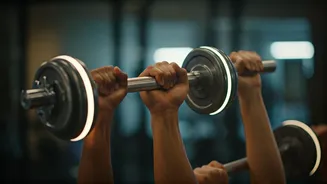
person, “working out” meant cardio—running, cycling, or an aerobics class. But that stereotype is finally crumbling. Today, you’re just as likely to see a grandmother performing a deadlift, a young professional learning to squat, or a group of friends taking a kettlebell class. The image of strength has evolved from pure brawn to functional wellness. It’s less about the size of your biceps and more about the ability to carry your groceries, play with your kids without getting winded, and maintain your independence as you age.
The Science of Living Longer
A huge part of this shift is driven by science going mainstream. We now have decades of clear research showing that resistance training is one of the single best things you can do for your long-term health. The U.S. Department of Health and Human Services recommends that adults perform muscle-strengthening activities at least twice a week. Why? It’s not just about muscle. Lifting weights builds and maintains bone density, which is crucial for staving off osteoporosis, especially for women. It also boosts your metabolism. Unlike cardio, which primarily burns calories during the activity, building more muscle mass increases the number of calories your body burns at rest. This makes weight management more sustainable over the long haul. More and more, doctors are prescribing strength work to help manage chronic conditions like type 2 diabetes and heart disease, reframing it as essential medicine, not just an elective exercise.
A Workout for Your Brain
Perhaps the most compelling modern driver is the undeniable link between strength training and mental health. While we’ve long known about the “runner’s high,” research increasingly shows that lifting weights can be a powerful tool for managing anxiety and depression. The focus and discipline required in a lifting session provide a form of mindfulness, pulling you out of your head and into your body. The act of progressively getting stronger—lifting a weight you couldn’t a month ago—offers a tangible sense of accomplishment and self-efficacy that can be profoundly empowering. In a world of abstract digital stressors, the simple, physical feedback of moving a heavy object provides a grounding sense of control and resilience that carries over into all aspects of life.
Technology and a More Welcoming Culture
The final piece of the puzzle is access. Technology and a more inclusive culture have torn down the old barriers to entry. You no longer need a grizzled gym veteran to show you the ropes. Fitness apps provide structured programs and video tutorials for every exercise imaginable. Social media, for all its faults, has democratized fitness knowledge. A new generation of trainers and influencers focuses on proper form, realistic progress, and celebrating strength in all body types, a stark contrast to the exclusionary fitness culture of the past. Boutique strength-focused studios, like CrossFit boxes or F45 gyms, have also created a community-based environment that makes learning to lift feel more like a team sport. It’s never been easier, or more socially acceptable, to start your strength journey.