
The Age of Imported Ideals
For much of the last two decades, urban India, much like the U.S., fell under the spell of Western dietary trends. A burgeoning middle class with disposable income and globalized media exposure became a prime market for low-carb, high-fat, and grain-free
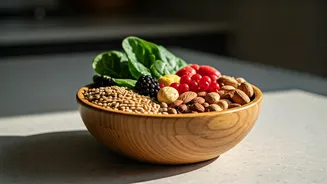
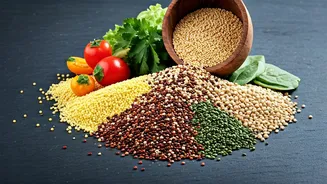
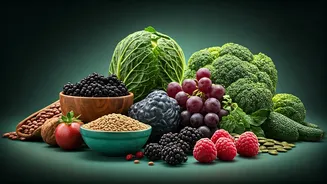
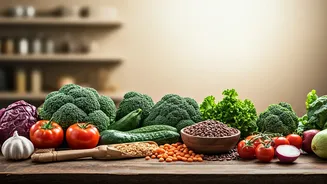
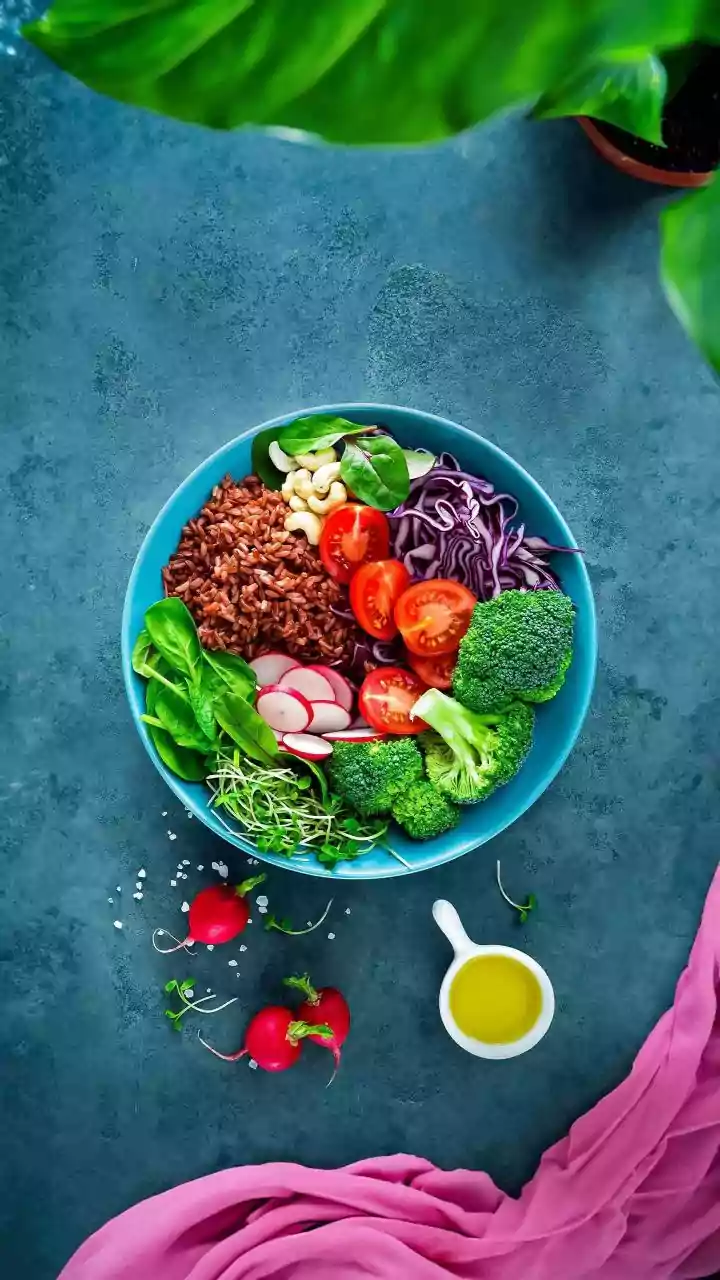
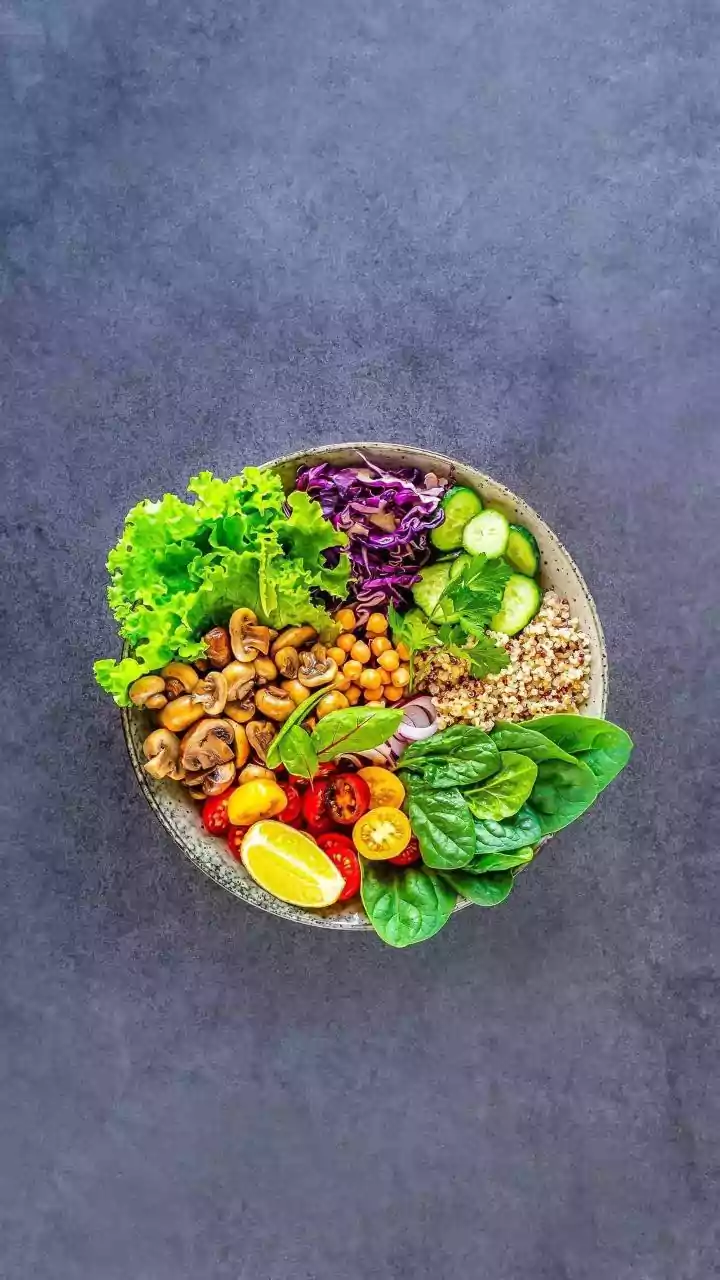
ideologies. Suddenly, traditional staples that had nourished generations were cast as villains. White rice was a 'bad' carb. Ghee (clarified butter), a sacred kitchen staple, was a 'bad' fat. Mangoes were 'too sugary.' The ideal plate, according to a wave of new-age diet gurus, looked less like a traditional Indian thali and more like a kale salad with quinoa and avocado—ingredients that were often expensive, imported, and culturally disconnected from the local landscape.
The Back-to-Basics Revolution
This era of dietary confusion has sparked a powerful rebellion. A growing cohort of nutritionists, doctors, and authors in India are leading a charge back to the basics. Figures like celebrity nutritionist Rujuta Diwekar have built massive followings by championing a simple, yet revolutionary, idea: your grandmother was right all along. This movement isn't about a new fad; it's an 'un-dieting' of sorts. It argues that centuries of culinary wisdom, built around local climates, seasonal availability, and agricultural cycles, offer a more sustainable and effective path to health than any imported trend ever could. Their message is resonating deeply, cutting through the noise with a clear, confident return to cultural roots. It’s a compelling argument against the one-size-fits-all approach to nutrition and a celebration of regional food heritage.
What 'Practical' Actually Looks Like
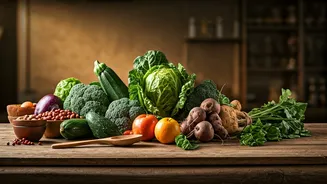
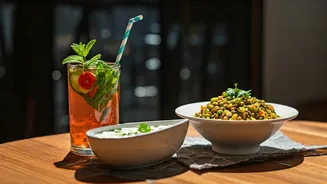
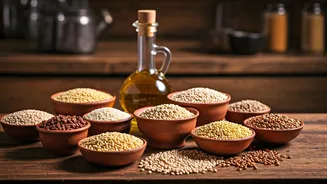
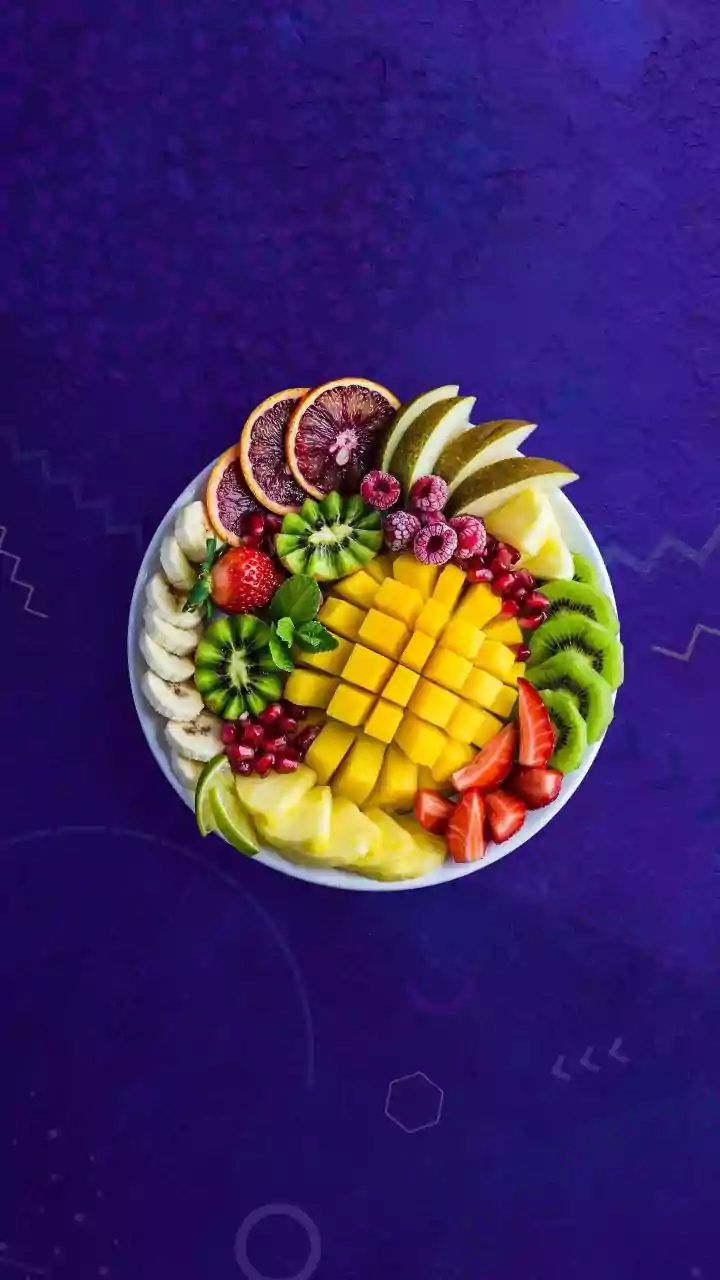
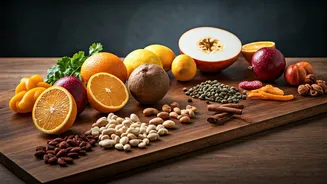
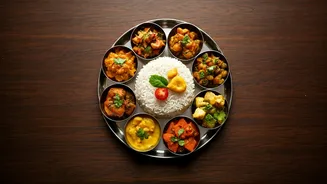
So what does this new-old advice entail? It’s refreshingly simple. First, eat local and seasonal. Instead of imported blueberries, the focus is on regional fruits like jamun or sitaphal (custard apple) when they are in season. Second, embrace traditional fats. Ghee, coconut oil, and mustard oil are back on the table, praised for their health benefits and suitability for Indian cooking methods. Third, respect your carbs. This philosophy doesn’t fear rice or rotis (flatbreads); it incorporates them as part of a balanced meal that provides sustained energy. The guiding principle is the 'thali'—a platter featuring a small portion of various dishes. A typical thali might include a portion of rice or roti, a dal (lentils) for protein, a seasonal vegetable preparation (sabzi), a yogurt-based dish (raita), and a small pickle or chutney for flavor and digestion. It’s a masterclass in macronutrient balance and portion control, perfected over centuries.
More Than Just a Diet
This return to practical, traditional eating is about more than just personal health; it's a movement with broader cultural and economic implications. By prioritizing local and seasonal foods, it supports local farmers and reduces the carbon footprint associated with transporting exotic 'superfoods' across the globe. It's an act of preserving culinary heritage in the face of relentless globalization. For the Indian diaspora in the U.S. and elsewhere, it’s a way to reconnect with their culture through the food they grew up with, stripped of the recently acquired, and often misplaced, shame. It reframes home cooking not as a chore, but as a powerful tool for health, sustainability, and cultural identity. It suggests that the answers to our modern wellness anxieties may not lie in a new product or program, but in the wisdom already present in our own kitchens.