








Meet the New AI Gatekeepers
Forget simply uploading a PDF resume and hoping a human reads it. The “brutal twist” in modern campus recruiting is the deployment of sophisticated AI tools that act as the first, and often most critical, round of interviews. These aren't your parents'
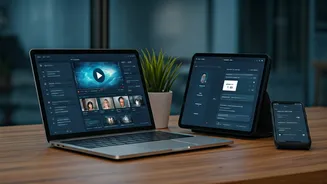
applicant tracking systems (ATS) that just scanned for keywords. Today’s technology includes one-way video interviews where algorithms analyze your facial expressions, tone of voice, and word choice to score your “enthusiasm” and “confidence.” It includes gamified assessments that measure cognitive abilities and personality traits through a series of puzzles and challenges. And it involves advanced resume screeners that don’t just match words but infer skills and predict your potential for success—or failure—at the company, all before a recruiter ever sees your name.
Why It Feels So Impersonal
For students, the experience can feel uniquely dehumanizing. The headline’s use of “brutal” isn't just for effect; it captures the feeling of performing for a machine. You might spend hours recording a video interview, carefully crafting answers into a webcam, only to receive an automated rejection email weeks later with no feedback. This “black box” problem is a major source of anxiety. Was it something you said? Was your lighting bad? Did the AI misinterpret your thoughtful pause as a lack of confidence? Unlike a human interviewer who can read nuance, these systems operate on data points and pre-programmed parameters. This efficiency for the company creates a high-stress, low-feedback environment for applicants, making the already difficult process of landing a first job feel like shouting into a void.
The View from the Other Side
So why are companies from investment banking to consulting and big tech leaning so heavily on AI? The short answer is scale. A single entry-level job posting at a popular company can attract thousands of applications. Recruiters simply cannot review them all. AI offers a seemingly elegant solution: a way to sift through a massive applicant pool quickly and cheaply. Companies argue these tools provide a more objective, data-driven assessment than a biased human recruiter might. They believe that by standardizing the first-round screening, they can identify top talent that might have been overlooked in a traditional process. While the debate over algorithmic bias is fierce—critics argue AI can inherit and amplify human biases—corporations see it as a necessary tool for managing the firehose of applicants graduating from college each year.
How to Beat the Bots
Navigating this new landscape requires a strategic shift. First, treat your resume as a document for both human and machine readers. While you should still avoid stuffing it with nonsense keywords, ensure it clearly and explicitly lists the skills and qualifications mentioned in the job description. Second, prepare for one-way video interviews. Practice recording yourself on camera. Focus on speaking clearly, maintaining good posture, and making eye contact with the camera lens, not your own image on the screen. Use energetic language and try to smile naturally. Third, and most importantly, don't let the AI be your only path in. Networking remains the most powerful tool in your arsenal. A referral from a current employee can often allow you to bypass the initial AI screen entirely, putting your resume directly into the hands of a human hiring manager. The best strategy is a dual one: optimize for the machine, but work the human connections.