




The End of the Checklist Vacation
Remember the classic European bus tour? Ten cities in eight days, a blur of cathedrals, museums, and quick photo ops. For years, this 'mileage-based' travel was a global status symbol, and for India's rapidly growing middle and upper classes, it was the ultimate
aspiration. It was about seeing the world—all of it, as quickly as possible. The goal wasn't immersion; it was accumulation. A picture at the Eiffel Tower, another at the Colosseum, and a third at Buckingham Palace proved you had arrived, both literally and figuratively. This approach created a boom for tour operators specializing in jam-packed itineraries. But like many pre-pandemic norms, the checklist vacation is losing its luster. Travelers are returning home with plenty of photos but a nagging feeling of emptiness, as if they’d seen everything but experienced nothing. This isn't just a phenomenon in India, but the shift there is particularly dramatic, signaling a major change in the priorities of one of the world's fastest-growing travel markets.
So, What Changed?
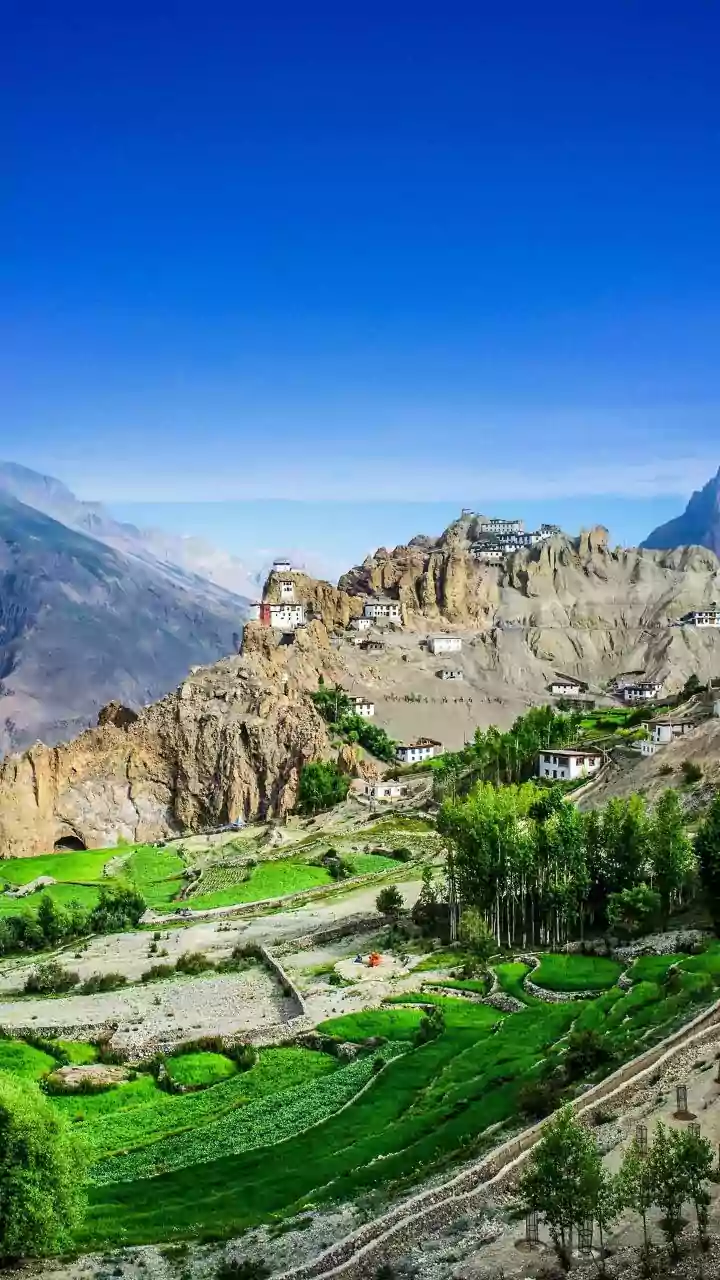
The short answer: a search for 'why.' The pandemic acted as a great reset button, forcing a global pause and a period of introspection. For many, the frantic pace of modern life, followed by the stillness of lockdowns, highlighted a deep-seated need for connection and well-being. When travel resumed, the desire wasn't just to escape, but to heal, learn, and grow. This aligns with a broader cultural movement. Indian travelers, armed with more disposable income and global exposure than any generation before, are increasingly confident in defining their own version of luxury. Instead of just consuming Western-defined status symbols, they are looking inward. The new status symbol isn't a selfie with the Mona Lisa, but a week-long yoga retreat in the Himalayas, a quiet stay at an eco-lodge in the Western Ghats, or a culinary journey through the villages of Rajasthan. It’s about trading burnout for balance and seeking experiences that enrich the soul, not just the social media feed.
What 'Meaningful' Travel Looks Like
This new paradigm isn’t a single, uniform trend. 'Meaning' is personal, and it’s showing up in diverse ways. For some, it’s about spiritual and wellness journeys. Destinations like Rishikesh, long a magnet for Western seekers, are now at the top of the list for domestic travelers looking to deepen their yoga practice or explore meditation. Ayurvedic wellness resorts in Kerala, once primarily marketed to foreigners, are seeing a surge in local interest from those looking to detox and rejuvenate. For others, meaning is found in connection—to nature, culture, or personal history. This has fueled the rise of 'slow travel.' Instead of rushing through five states in a week, travelers might spend that entire week at a single homestay, learning local recipes from their hosts, hiking through nearby forests, or even volunteering on a farm. This includes a renewed interest in 'pilgrimage tourism,' where ancient spiritual routes like the Char Dham Yatra are undertaken not just as a religious duty, but as a profound personal and adventurous journey. It's about participation over observation.
The Ripple Effect on Global Tourism
This shift is more than just a feel-good story; it’s a powerful economic force that the global tourism industry is scrambling to understand. The Indian outbound travel market is projected to be one of the largest in the world. As these travelers increasingly demand authenticity, sustainability, and transformative experiences, hotels, airlines, and tour operators are being forced to adapt. The all-you-can-see buffet is being replaced by curated, mindful experiences. This means that a remote lodge in Peru offering immersive cultural workshops might become more attractive than a five-star hotel in a crowded capital. It means travelers might choose a destination based on its conservation efforts or its support for local communities. For American destinations and businesses looking to attract this lucrative market, simply offering a landmark and a shopping mall is no longer enough. The key is to offer a story, a connection, and a chance for the traveler to feel like they are part of something bigger.