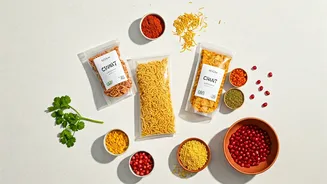



First, What Is Chaat?
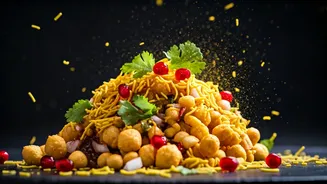
Before you can appreciate the chip, you have to understand the source. Chaat isn't one specific dish but a whole category of savory street food snacks from India, beloved for its explosive combination of flavors and textures. The word itself means "to
lick," which perfectly captures the crave-able nature of these snacks. Think of it as a symphony where every section plays a crucial role. There's the sweet (often from tamarind chutney), the sour (from unripe mango or lime), the spicy (from green chili and red chili powder), and the savory (from black salt, or kala namak). All of this is balanced by the cooling creaminess of yogurt and the fresh, herbal kick of mint-cilantro chutney. These elements are then layered over a crunchy base, which could be anything from fried dough wafers (papdi) to potato patties (aloo tikki) or crispy puffed rice (bhel). It’s this complex, multi-layered experience that brands are now trying to capture in a single, shelf-stable bite.
The Snack Aisle’s Global Palate
So, why now? The rise of chaat flavors isn't happening in a vacuum. It’s the latest chapter in the story of the American palate's evolution. For decades, snack aisles were a predictable landscape. But as consumers have become more adventurous—thanks to global travel, immigration, and a firehose of food content online—they’ve begun demanding more excitement. We saw this with the Sriracha craze that put spicy chili-garlic sauce on everything, and again with the rise of gochujang, the sweet and spicy Korean fermented chili paste. Food companies are constantly hunting for the "next big thing," a flavor that feels both novel and broadly appealing. Chaat’s profile—tangy, spicy, sweet, and savory—hits a sweet spot. It offers a new kind of complexity that is exciting for seasoned foodies but still accessible enough for the average shopper looking to trade up from their standard potato chip.
From Street Cart to Shopping Cart
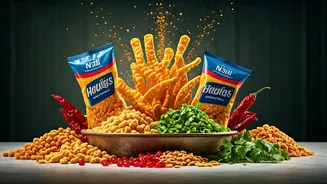
Translating the magic of a freshly made plate of bhel puri into a mass-produced snack is a huge challenge. The goal for brands is to distill the essence of chaat—that burst of tangy spice known as "chaat masala"—into a seasoning powder that can be dusted onto chips, puffs, or nuts. Chaat masala is a spice blend that typically includes amchoor (dried mango powder) for sourness, cumin, coriander, ginger, and the distinctively pungent black salt. When you see a product labeled with "masala," "spicy," or even just vaguely "Indian-style flavor," there’s a good chance it’s borrowing from the chaat playbook. It’s a way for companies to tap into a rich culinary tradition and market it as a bold, new flavor experience for a snack-obsessed nation.
Brands Bringing the Flavor
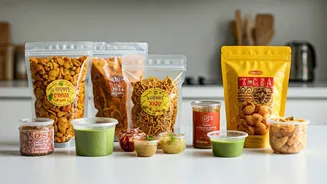
Evidence of this trend is all over the grocery store if you know where to look. Trader Joe's, often a bellwether for mainstreaming food trends, has been a key player. Their popular Patio Potato Chips from a few summers ago were a clear nod to a layered flavor experience, and their Spicy Chakri Murukku incorporates the kind of savory spice common in Indian snacks. Even global giant Lay's has long produced a "Magic Masala" flavor for the Indian market that has a cult following among flavor-seekers in the U.S. But the trend is also being driven by a new generation of diaspora-owned brands. Companies like The Desi Strong, with its chaat-flavored popcorn, or In-House, with its chaat-masala-dusted corn chips, are bringing authenticity and a deep understanding of the flavor profile directly to American consumers, bridging the gap between traditional home cooking and the modern snack aisle.