





An Eden in the Himalayas
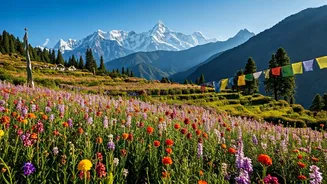
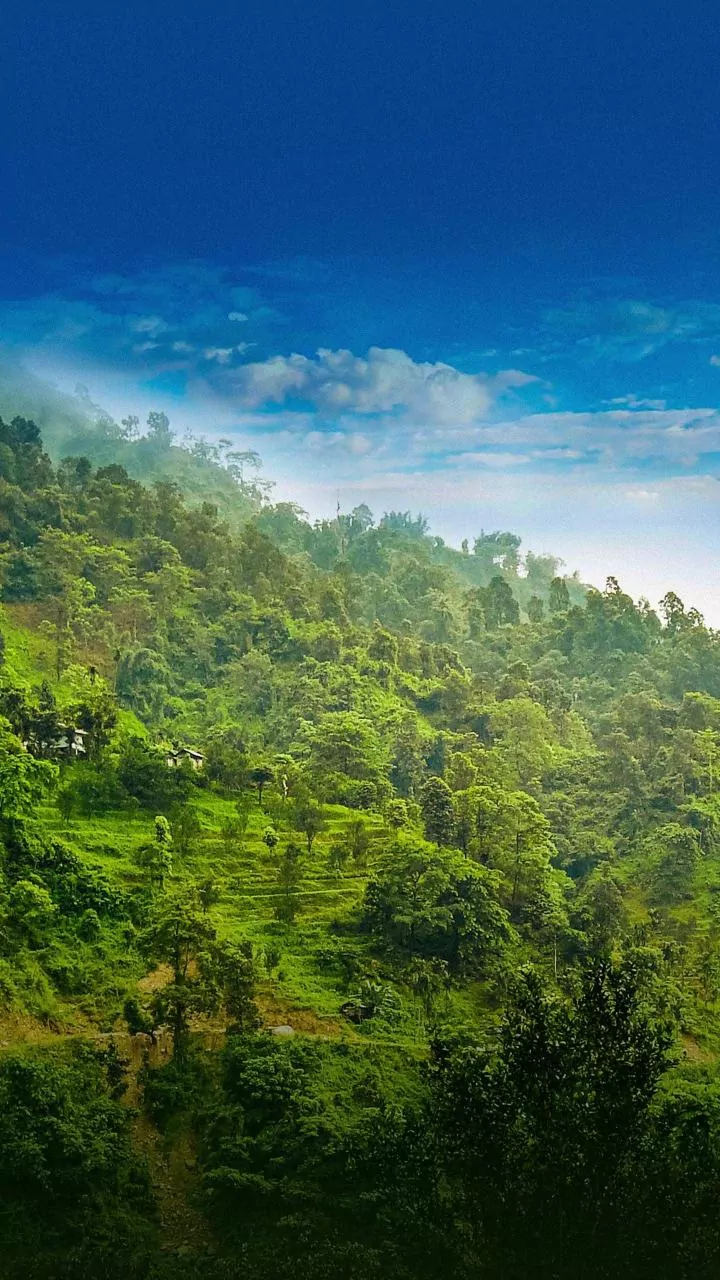
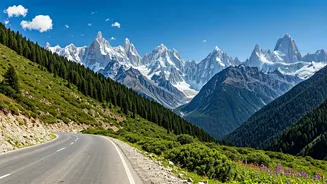
For most Americans, Northeast India is a blank spot on the map. Tucked between Bhutan, Nepal, and Tibet, the state of Sikkim is a world away from the dusty plains and bustling megacities many associate with the country. It’s a land of plunging green valleys,
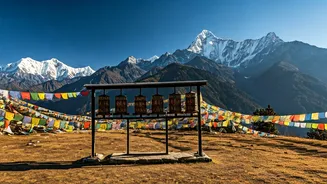
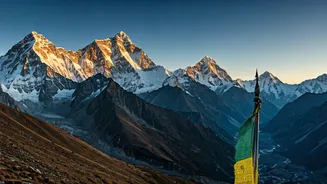
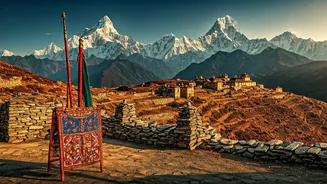
serene Buddhist monasteries perched on cliffsides, and some of the planet's most dramatic mountain scenery, all dominated by the majestic peak of Kangchenjunga, the world's third-highest mountain. The annual Sikkim Summer Festival, held in the capital city of Gangtok, isn't just an event; it's the state’s soul put on display. Held every May, it’s a vibrant, living invitation to experience a culture that has remained uniquely preserved while welcoming the modern world.
A Kaleidoscope of Himalayan Flora
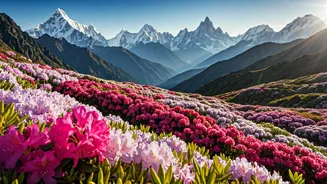
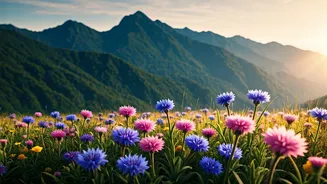
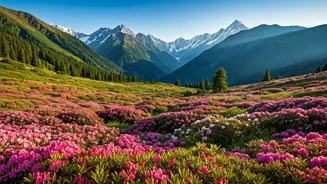
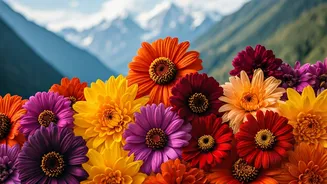
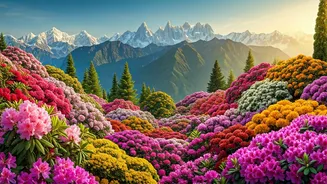
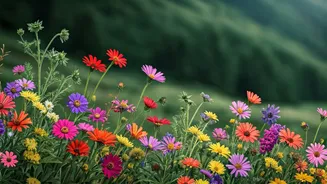
The festival’s centerpiece is its legendary flower show. While the rest of the world is just shaking off winter, Sikkim explodes in botanical glory. The state is a global hotspot for biodiversity, home to over 5,000 species of flowering plants, including more than 500 species of orchids and 36 species of rhododendrons. The festival grounds become a living gallery of this natural wealth. Imagine walking through pavilions bursting with rare, jewel-toned orchids you’ve never seen before, vibrant azaleas, and towering rhododendrons in shades of deep crimson, pink, and white. It’s a photographer’s and nature-lover’s paradise, where every frame is a testament to the region’s incredible fertility and natural beauty. This isn't a curated garden; it's a celebration of wild, untamed Himalayan flora.
The Pulse of Ancient Traditions
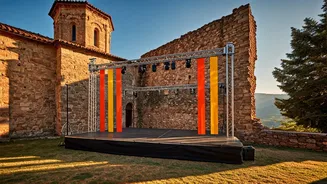
Beyond the flowers, the festival is a deep dive into Sikkimese culture. The air fills with the sound of traditional folk music, the rhythmic clash of cymbals, and the haunting drone of long Tibetan horns. Dancers in elaborate, brightly colored costumes and often fearsome-looking masks perform centuries-old monastic dances, known as 'Chaams.' These performances aren't just for tourists; they are sacred rituals that tell stories of gods, demons, and historical heroes. You’ll see locals dressed in their finest traditional attire—the women in vibrant 'Bakhu' (a type of wrap-around dress) and the men in their own distinguished outfits. It’s a powerful reminder that this is a living culture, not one performed from a history book.
A Taste of the High Country
No festival is complete without food, and Sikkim’s culinary offerings are a delicious fusion of Tibetan, Nepalese, and local influences. The festival's food stalls are an adventure in themselves. You can sink your teeth into steaming hot momos—delicate dumplings filled with meat or vegetables and served with a fiery chili sauce. You can warm your hands around a bowl of Thukpa, a hearty noodle soup perfect for the cool mountain air. You’ll also find lesser-known delicacies like Gundruk and Sinki, fermented vegetable dishes that are a staple of the local diet. It’s clean, flavorful, and deeply comforting food that tells the story of a people living in harmony with their mountainous environment.
The Gateway to Adventure
While the festival in Gangtok is the main draw, it also serves as the perfect launching pad for exploring the rest of Sikkim. The energy and excitement of the event are contagious, inspiring visitors to venture further. From Gangtok, you can arrange treks that take you through rhododendron forests, visit iconic monasteries like Rumtek and Pemayangtse to witness monks chanting, or even try your hand at adrenaline-pumping activities like paragliding over lush valleys or white-water rafting on the Teesta River. The festival isn’t the end of the journey; it’s the beginning, offering a cultural anchor before you set out to discover the raw, natural wonders that make Sikkim one of Asia's best-kept secrets.