




What Are Fava Beans, Anyway?
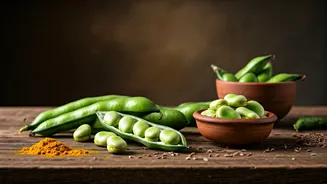
Known as broad beans in other parts of the world, fava beans are one of humanity's oldest cultivated plants. Yet for many U.S. kitchens, they remain a bit of a mystery, relegated to a brief, celebrated appearance in spring. When fresh, they come in large,
puffy green pods. Inside, the beans themselves are encased in a tough, pale skin. Dried and canned versions are available year-round, making them a reliable pantry staple. So, what do they taste like? Favas have a distinct flavor profile that sets them apart from other legumes. They are nutty, slightly sweet, and have an earthy depth. But their true superpower is their texture. When cooked, they become incredibly creamy and buttery, almost melting in your mouth. Unlike the grainier texture of a chickpea or the sturdier bite of a kidney bean, a cooked fava bean is pure luxury.
A Natural Partner for Indian Spices
This creamy texture is precisely why fava beans are such a brilliant match for the bold, complex flavors of Indian cooking. Think about how potatoes absorb the spices in a dish like aloo gobi, or how paneer acts as a savory sponge for a rich makhani gravy. Fava beans do the same, but with a more interesting, sophisticated character.
Their mild nuttiness doesn’t compete with spices like cumin, coriander, turmeric, or garam masala; it complements them. The beans provide a creamy canvas that allows the aromatics to shine. While they might not be a traditional ingredient in most regional Indian cuisines (though they do appear in some), their flavor profile and texture make them feel like they’ve always belonged. They offer a familiar heartiness while bringing something new and exciting to the table, making them a perfect ingredient for experimentation.
From Curries to Chaat: Easy Ideas
Ready to try them? Fava beans can be swapped into many familiar recipes, often with spectacular results.
1. A Creamier Rajma-Style Curry: Instead of kidney beans, use dried fava beans (soaked overnight) in your favorite pressure cooker curry. They hold their shape but yield a much softer, more decadent interior that thickens the sauce beautifully. The standard onion-tomato masala with ginger, garlic, and your go-to spice blend works perfectly.
2. A Next-Level Sabzi: For a quick weeknight stir-fry, use fresh, blanched fava beans. A simple tadka (tempering) of cumin seeds and mustard seeds in hot oil, followed by sautéed onions, ginger, and the beans is all you need. Finish with a sprinkle of turmeric, chili powder, and a squeeze of lemon juice for a vibrant, fresh-tasting side dish.
3. An Unforgettable Chaat: Move over, chickpeas. Boiled and slightly smashed fava beans make an incredible base for chaat. Their buttery texture is a wonderful contrast to the crunchy sev, crisp papdi, and tangy chutneys. Top a bowl of smashed favas with yogurt, tamarind chutney, mint chutney, and finely chopped red onion for an instant classic.
4. A Spiced Fava Dip: Create a stunning alternative to hummus. Blend cooked fava beans with garlic, lemon juice, and a little tahini. Then, top it with a sizzling tadka of oil, cumin seeds, dried red chilies, and a pinch of asafoetida (hing). Serve with warm naan or roti for dipping.
A Quick Guide to Preparation
Don’t be intimidated by the prep. A little effort unlocks a world of flavor.
For fresh fava beans: They require a two-step shelling process. First, remove them from their large outer pod. Then, blanch the beans in boiling water for about 30 seconds before transferring them to an ice bath. This loosens the waxy individual skin, which can then be easily slipped off. This “double-peeling” is crucial for achieving that signature creamy texture, as the outer skin can be tough.
For dried fava beans: Treat them like any other dried bean. For best results, soak them in plenty of water overnight. This rehydrates them and significantly reduces cooking time. If you’re in a hurry, you can do a quick soak by covering them with water, bringing it to a boil for a few minutes, then letting them sit, covered, for an hour before draining and cooking.