



An Emerald Escape in Southern India
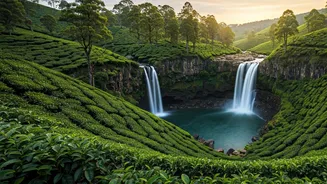
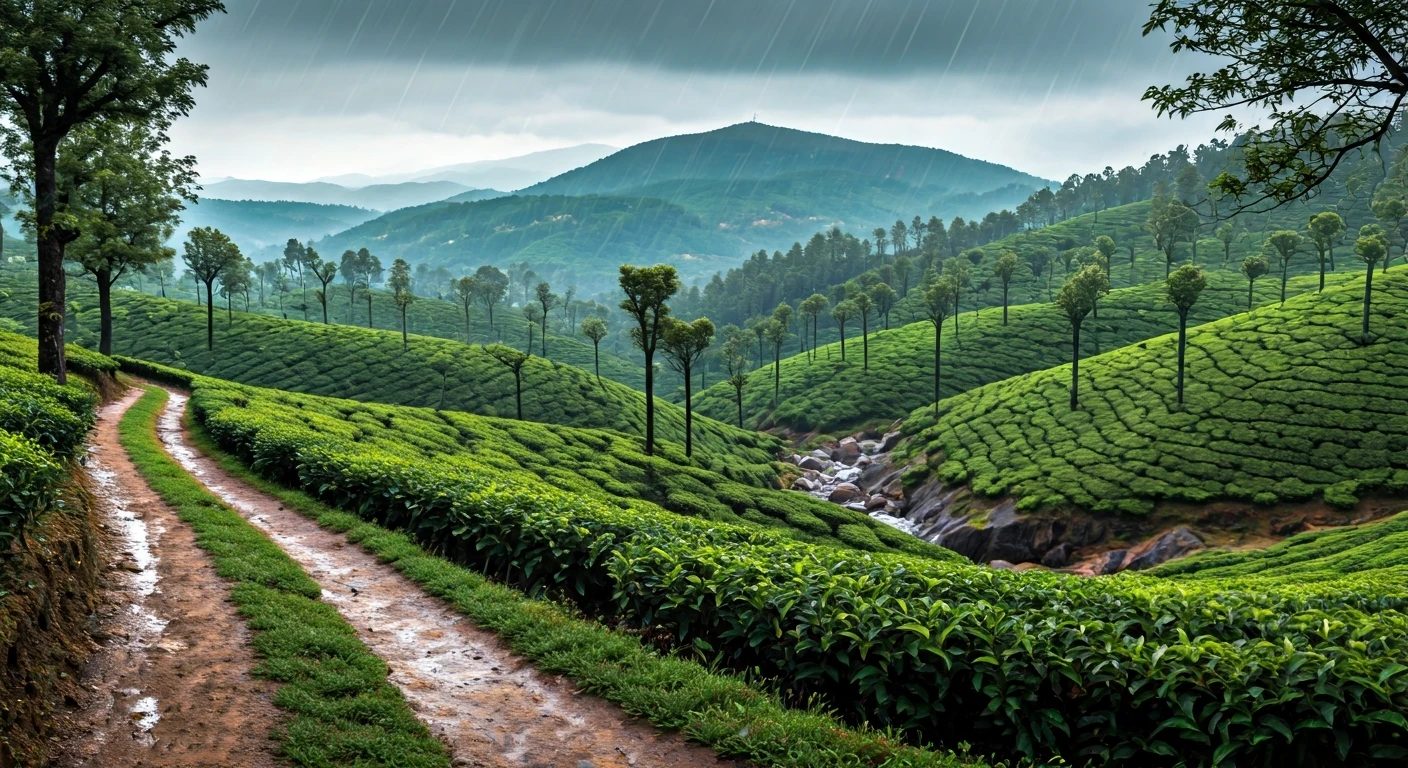
First, let's place Wayanad on the map. Tucked away in the Western Ghats mountains in the state of Kerala, often called "God's Own Country," Wayanad isn't a city but a sprawling, rural district. Think rolling hills carpeted in emerald-green tea plantations,
dense forests, and hidden spice gardens. For American travelers accustomed to either hyper-urban Asian hubs or well-trodden beach resorts, Wayanad offers a completely different texture. It’s a place where the air is thick with the scent of cardamom and wet earth, and the main soundtrack is the roar of falling water, not traffic. Its relative remoteness has preserved a sense of authenticity that is increasingly hard to find.
The Main Attraction: A Cascade of Choices
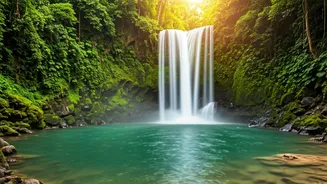
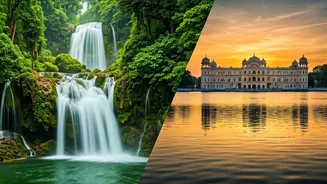
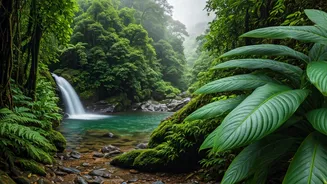
While the entire region is scenic, the waterfalls are the undeniable stars. They aren't just single, monolithic falls but a diverse collection, each with its own personality. Soochipara Falls, also known as Sentinel Rock Waterfalls, is a crowd favorite. It’s a spectacular three-tiered cascade that plunges over 650 feet. Reaching it requires a moderate trek through dense forest, making the final reveal of the falls feel earned and immersive. Then there’s Meenmutty Falls, another three-tiered giant accessible via a more challenging 1.2-mile hike, rewarding the adventurous with breathtaking views. For those seeking something more serene and family-friendly, Kanthanpara Falls offers a gentler, more accessible experience. This variety means that whether you’re a hardcore trekker or just looking for a beautiful picnic spot, there’s a waterfall for you.
The 'Price-Conscious' Power Move
Here's the crux of Wayanad's surging popularity: it delivers a premium nature experience on an economy budget. In an era where a trip to a U.S. national park can involve costly permits, packed lodges, and expensive meals, Wayanad feels like a welcome throwback. Entry fees to most waterfalls are minimal, often just a dollar or two. Local transportation, from auto-rickshaws to buses, is incredibly affordable. You can eat a delicious, filling meal of regional Keralan cuisine for a few dollars at a local eatery. Accommodation ranges from rustic homestays where you can live with a local family for a modest price, to comfortable but still reasonably-priced resorts. This combination makes it a paradise for backpackers, young travelers, and anyone who believes that connecting with nature shouldn’t require draining your bank account. It’s a destination that values experience over extravagance.
More Than Just Waterfalls
The influx of visitors isn't just for the cascades. Wayanad is a well-rounded eco-tourism hub. You can spend a morning exploring the Edakkal Caves, which contain Stone Age petroglyphs dating back thousands of years, offering a stunning glimpse into ancient human history. The Wayanad Wildlife Sanctuary is home to elephants, tigers, and leopards, with guided safaris available. The region's history as a center for the spice trade is still alive in its numerous spice plantations, where you can take guided tours to see how pepper, vanilla, and cinnamon are grown. This depth ensures that a trip to Wayanad is more than a single-day excursion; it’s a multi-day immersion in nature, history, and culture.
The Challenge of a Hidden Gem Found
Of course, a "heavy influx" of visitors is a double-edged sword. Local news reports and social media from India frequently show packed trails and crowded pools at the base of the most popular falls, especially during holiday weekends and the post-monsoon season when the water flow is at its peak. While this boom provides vital income for local communities, it also puts pressure on the fragile ecosystem. The challenge for Wayanad, like for so many beautiful places discovered by the masses, is managing this growth. It's a real-time case study in sustainable tourism: how to welcome the world without losing the very wildness that made it so attractive in the first place. The 'price-conscious nature lover' is a powerful force in modern travel, and destinations like Wayanad are at the forefront of navigating its impact.