
The 'Gaggan Effect'
For years, Indian food outside of India was often relegated to the comfortable, predictable world of butter chicken and garlic naan. It was delicious, but rarely seen as a contender for fine dining's top tables. That all changed with Gaggan Anand. His
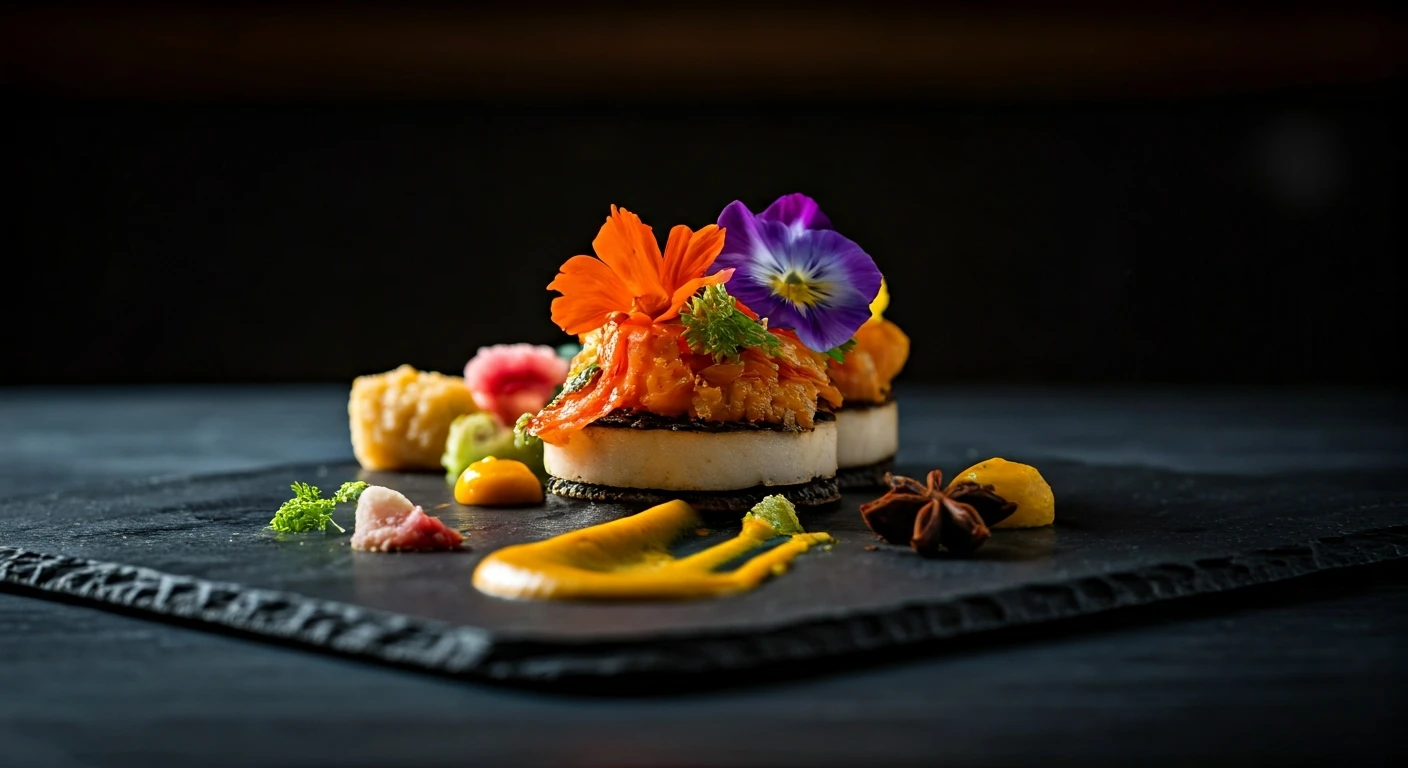
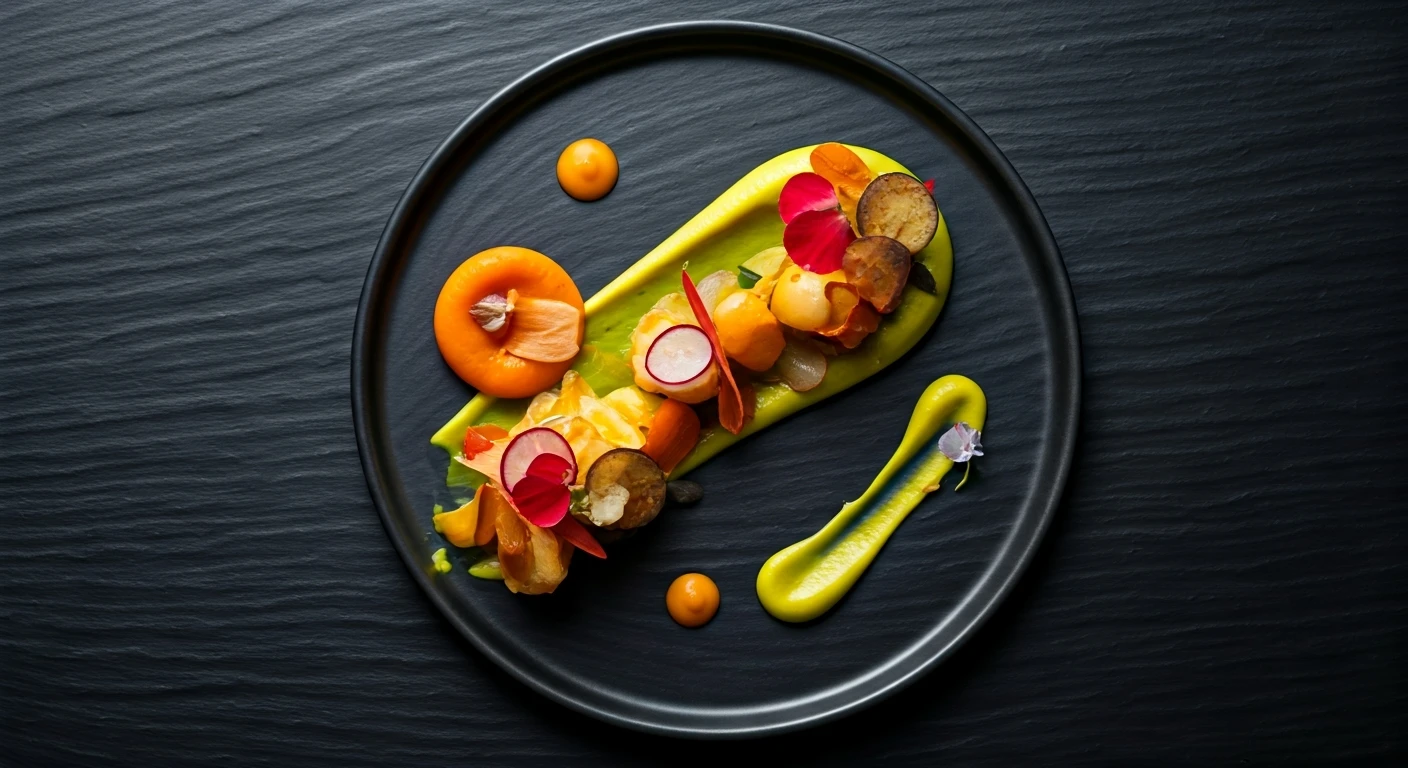
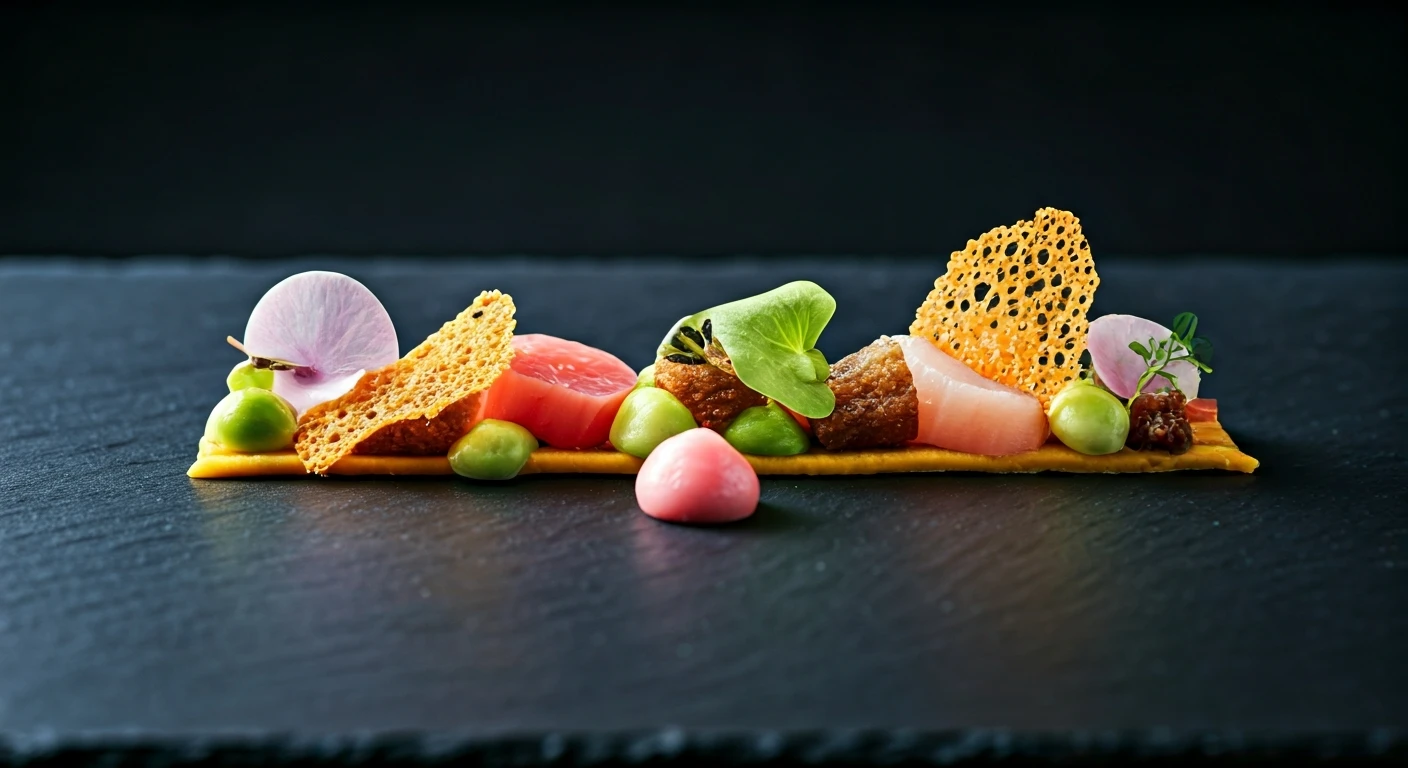
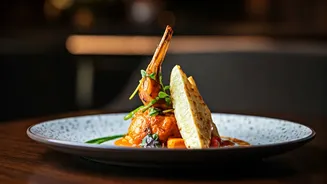
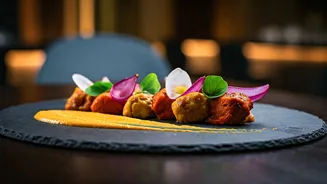
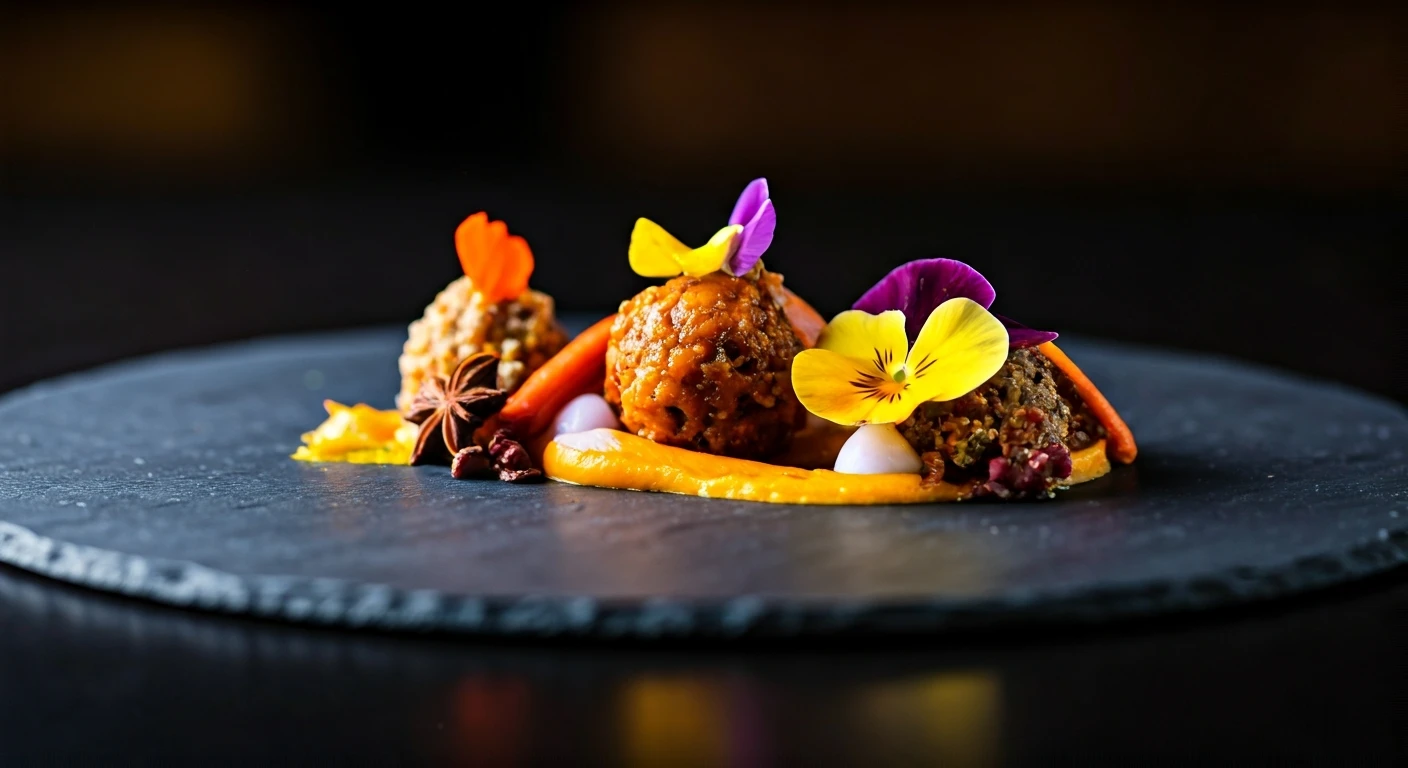
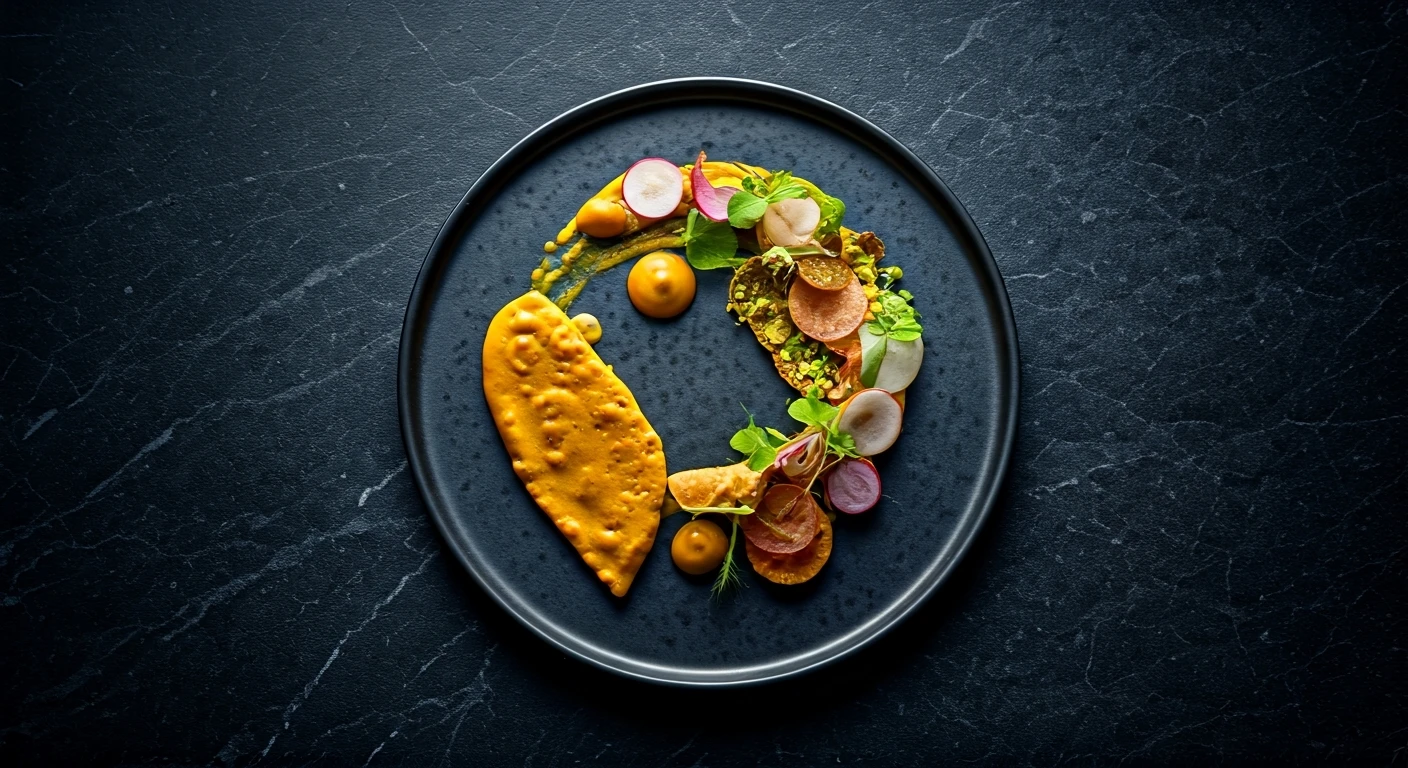
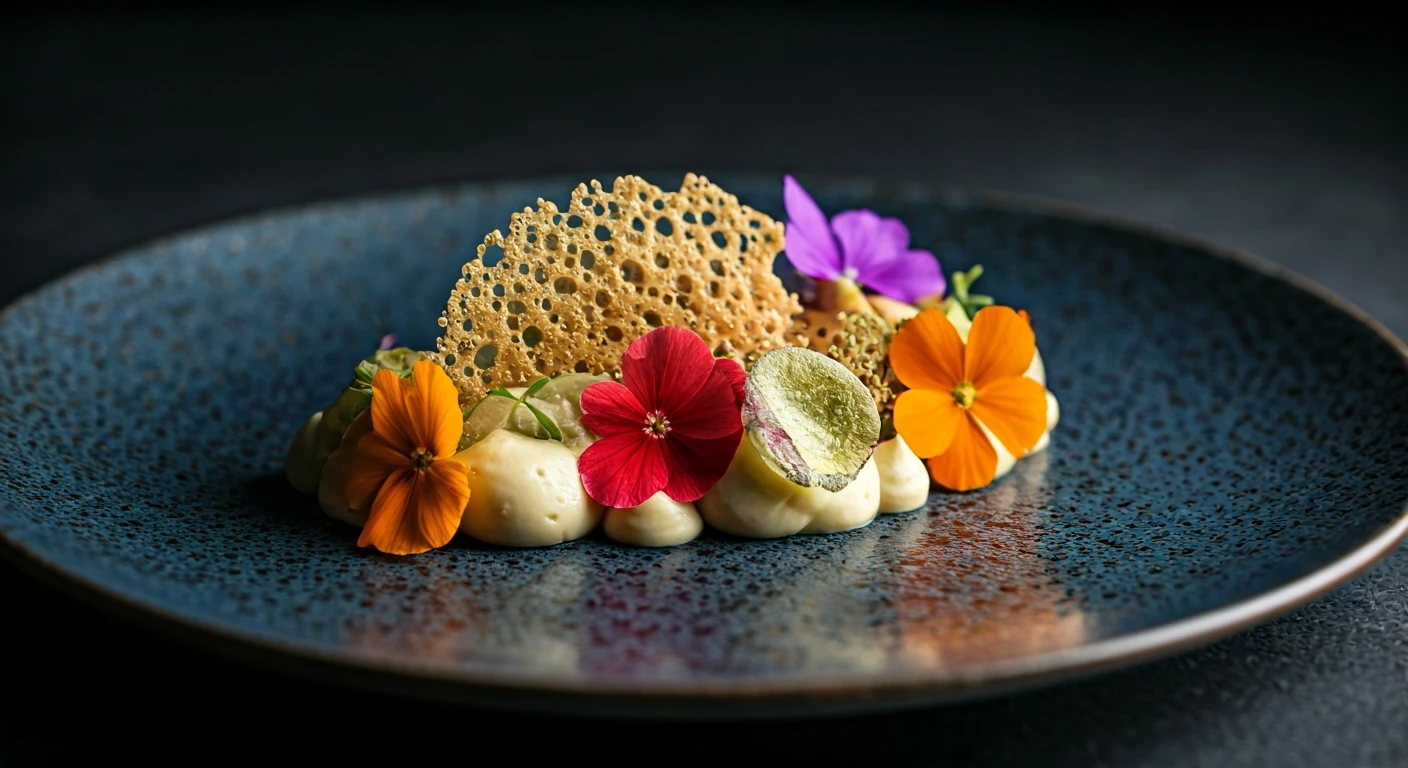
eponymous Bangkok restaurant, Gaggan, which was named Asia’s Best Restaurant for a record four consecutive years, didn’t just serve Indian food; it deconstructed it, reimagined it, and presented it with rock-and-roll swagger. Using techniques from molecular gastronomy, Anand turned classic dishes into playful, mind-bending creations like “Lick It Up,” a dish where diners were encouraged to lick a smear of different curries directly from the plate. This wasn't just dinner; it was theater. And in doing so, Anand kicked down the door for a new generation of chefs, proving that Indian cuisine could be as ambitious, creative, and critically acclaimed as any French or Japanese tasting menu.
Singapore's Modern Spice Route
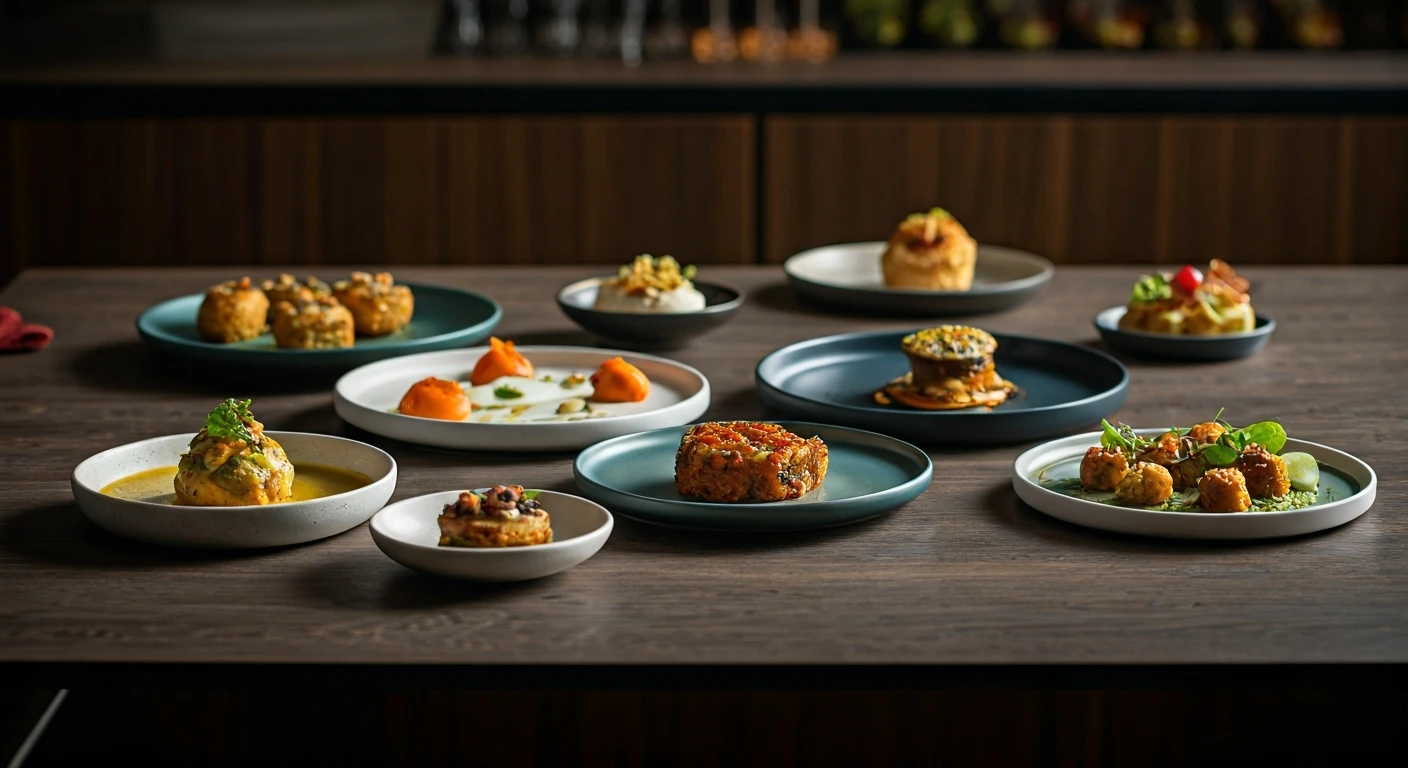
Nowhere is this new wave more apparent than in Singapore, a city-state that has long been a crossroads of Asian cultures. Here, a new guard of chefs is taking the torch and running with it. At Thevar, a two-Michelin-starred restaurant, Chef Murugan Thevar draws on his Malaysian-Indian heritage to create dishes that are both deeply personal and wildly inventive. Think rasam in a delicate shot glass or crispy pork paired with the sharp tang of vindaloo. It’s food that respects its roots while refusing to be constrained by them. Similarly, restaurants like Revolver, with its focus on open-flame grilling and bold flavors, and Adda, which celebrates the communal joy of Indian street food in a chic setting, are part of a vibrant ecosystem. They are demonstrating that “Indian food” isn’t a monolith, but a vast and varied culinary landscape with endless potential for modern interpretation.
Bangkok's Next Chapter
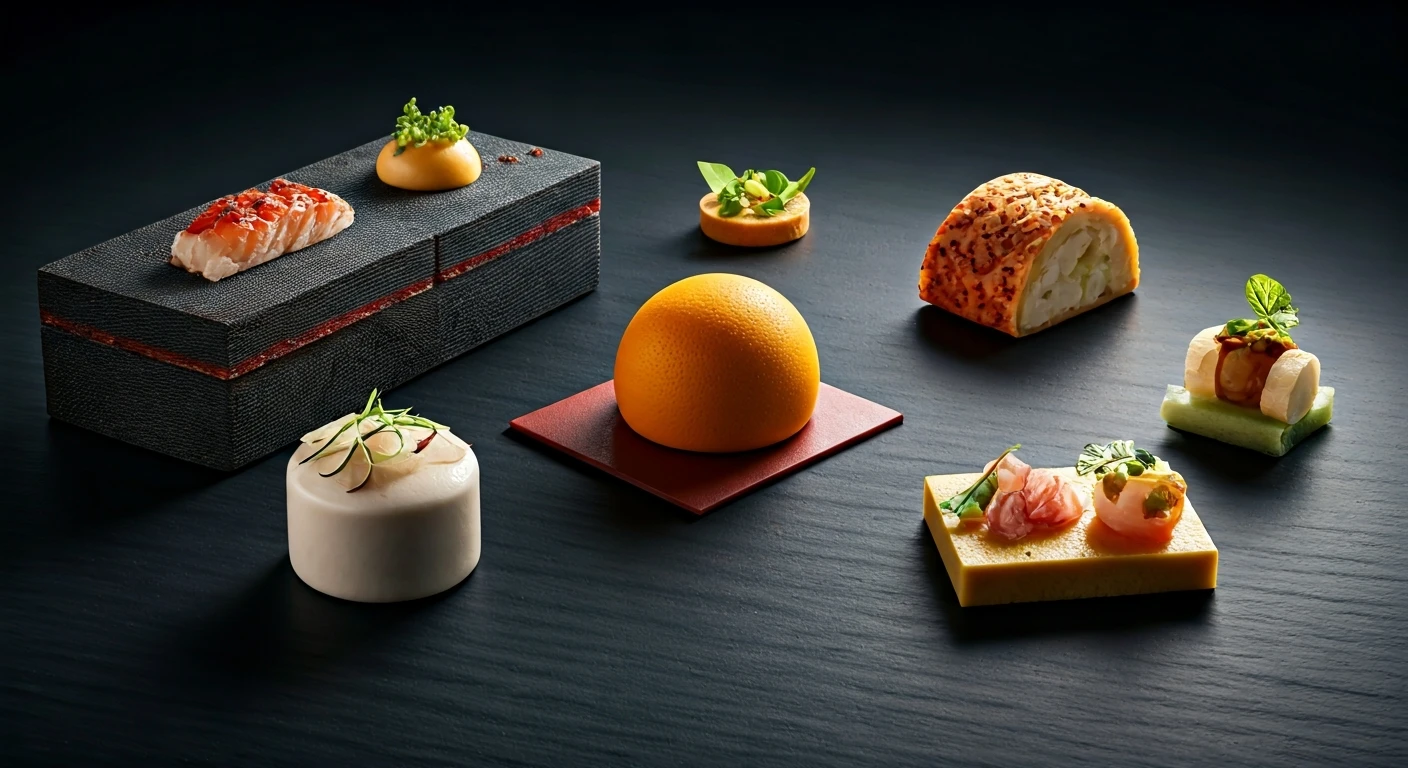
Even with Gaggan Anand having moved on to new projects, Bangkok remains a hotbed for progressive Indian dining. His legacy is felt most strongly at Gaa, the restaurant opened by his former sous-chef, Garima Arora. In 2018, Arora became the first Indian woman to earn a Michelin star. At Gaa, she applies Indian techniques and flavor principles to local Thai ingredients, creating a unique culinary dialogue between the two cultures. A dish might feature a tender piece of Thai crab with a whisper of masala, or a fermented local fruit transformed with Indian spices. This cross-pollination is key to the new movement. It’s not about simply importing dishes from India; it’s about using the Indian palate as a lens through which to see and interpret the bounty of their adopted homes, creating something entirely new and exciting in the process.
More Than a Food Trend
So why is this happening now? Several factors are converging. First, a generation of talented, internationally-trained chefs of Indian descent are filled with a new sense of cultural pride and a desire to showcase their heritage in a new light. They grew up eating these flavors, but they trained in the world’s best kitchens, giving them the tools to innovate. Second, the global diner’s palate has become more sophisticated and adventurous. Food lovers, armed with Instagram and guided by lists like Asia’s 50 Best, are actively seeking out authentic and novel experiences. They're no longer content with a one-size-fits-all version of a cuisine. Finally, this culinary rise reflects a broader story of India’s growing soft power and cultural confidence on the world stage. The food is simply following suit, demanding to be seen not as a cheap and cheerful takeaway option, but as a serious culinary art form.