





The Rise of the Culinary Road Trip
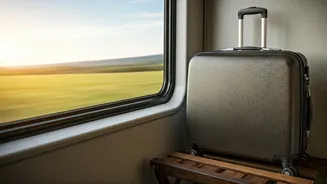
For an increasing number of Indians, the question “Where should we go this weekend?” is being replaced by “What should we eat?” This shift is fueling a boom in short-haul, food-focused travel. Families and groups of friends are packing into cars, not
for a change of scenery, but for a change of menu. They’ll drive two, three, or even four hours with a singular goal: to taste a legendary dish in the place it was born. This isn't the grand, multi-week culinary tour of yesteryear. It’s a spontaneous, accessible, and deeply satisfying micro-adventure where the destination is a plate. The itinerary is simple: drive, eat, and drive back, often in less than 48 hours. It’s a testament to the power of food as an experience in itself, capable of turning a simple meal into a memorable journey.
What's Fueling This Appetite for Travel?
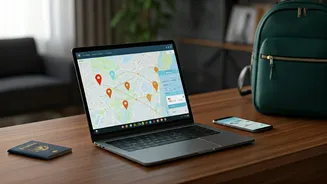
Several factors are converging to put culinary tourism in the driver's seat. First, India's growing middle class has more disposable income and higher rates of car ownership, making impromptu road trips feasible. Second, social media has become a digital spice route. Food bloggers and Instagrammers on platforms like Instagram and YouTube turn hyper-local, little-known eateries into overnight sensations. A single viral video of a unique street food or a perfectly cooked biryani can create a pilgrimage site for thousands. Finally, significant improvements in national highways have slashed travel times, bringing previously remote culinary hotspots within easy weekend reach for city dwellers. This perfect storm of economic mobility, digital discovery, and better infrastructure has created a generation of travelers who navigate by taste.
From Highway Dhabas to Coastal Shacks
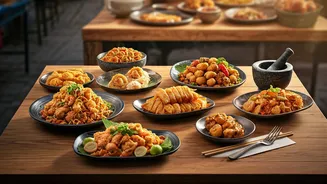
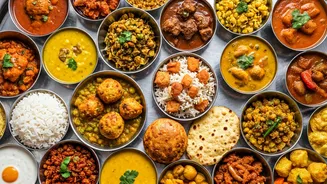
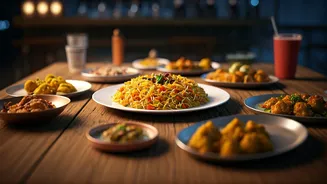
The beauty of this trend is its democratic nature. It’s not limited to fine-dining establishments in major cities. In fact, the real magic often lies in the opposite direction. For residents of New Delhi, a classic foodie road trip involves driving to the highway town of Murthal, famous for its dhabas (roadside restaurants) that serve spectacular parathas—stuffed flatbreads laden with butter. In the south, city-dwellers from Chennai might drive down the coast to find the freshest catch at a no-frills seafood shack. People in Mumbai might make a weekend trip to the Parsi cafes of Udvada or head to the hills of Lonavala purely for a taste of its famous chikki, a brittle candy. These are not just meals; they are edible landmarks, each telling a story of its region’s history, agriculture, and culture.
More Than Just a Meal
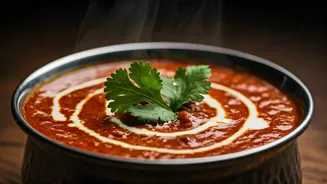
While the immediate goal is delicious food, these trips are about something more. They represent a deeper engagement with India’s incredible diversity. With every state and often every district boasting its own distinct cuisine, traveling for food becomes a way to experience the country’s rich cultural tapestry firsthand. Instead of seeing a fort, you’re tasting a recipe passed down through generations. Instead of visiting a museum, you’re meeting the chef who has perfected a single dish over 40 years. This form of travel creates a powerful connection to place. The taste of smoky kebabs in Lucknow, fiery curries in Kolhapur, or delicate sweets in Kolkata becomes an anchor for memory, far more vivid than a photograph. It transforms a simple weekend into an act of cultural exploration, one bite at a time.