





Okhla Bird Sanctuary: A Migratory Crossroads
Situated where the Yamuna River enters the state of Uttar Pradesh from Delhi, the Okhla Bird Sanctuary is a sprawling wetland that feels like a different universe. For decades, it has served as a critical stopover for thousands of migratory birds journeying
from as far as Siberia and Central Asia. Between November and March, the air is thick with the calls of Northern Shovelers, Gadwalls, and countless other waterfowl that flock to its shallow waters. Walking the paved track that loops around the marsh, you’re greeted by the sight of Greater Flamingos wading gracefully and Painted Storks nesting in acacia trees. It's a powerful reminder that this megacity is not just a human hub, but a vital intersection on the global avian flyway. Here, Delhi's softer side is one of profound ecological significance, a place of rest for weary travelers of both the human and feathered kind.
Sultanpur National Park: A World Away
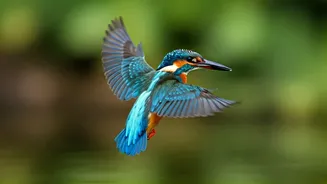
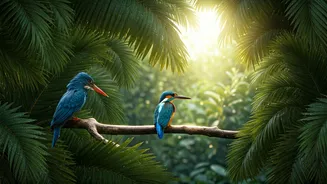
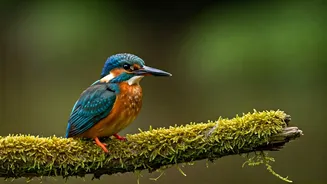
Though technically just outside the city limits in neighboring Haryana, Sultanpur National Park is an essential part of the Delhi birding circuit. A short drive from the glass-and-steel towers of Gurugram, it offers a complete immersion in nature. The park is built around a central lake, with a circular walking path that offers vantage points from several watchtowers. This is where you come for diversity. On a good winter morning, it's not uncommon to spot over 100 species, from the striking Sarus Crane—the world's tallest flying bird—to dazzling kingfishers and elusive birds of prey like the Shikra. The park’s tranquility is its greatest asset. The only sounds are the rustle of reeds, the chirping of insects, and the constant, varied chorus of birds. It’s a place that allows you to recalibrate your senses, trading the city’s frantic energy for the patient rhythms of the natural world.
Asola Bhatti Wildlife Sanctuary: The Rugged Ridge
If Okhla is about water, Asola Bhatti is about rock and scrub. This sanctuary protects the last remnants of the Aravalli Range, one of the oldest mountain ranges in the world, as it peters out into the Delhi plains. The landscape is wilder, drier, and more rugged, and so are its avian inhabitants. This is the territory of raptors. Keep an eye on the sky for the Crested Serpent Eagle and the Eurasian Eagle-Owl. The thorny scrubland is also perfect habitat for Grey Francolins, Indian Silverbills, and the stunning Indian Paradise Flycatcher with its ribbon-like tail. Asola Bhatti reveals a resilient, tougher kind of softness—a wildness that has survived on the city’s southern fringe, a testament to the persistence of nature in even the most arid-seeming corners.
Lodhi Garden: History Among the Branches
You don’t have to leave the heart of the city to find its avian treasures. Lodhi Garden, a beautifully manicured public park in central New Delhi, is a perfect example of urban birding at its best. Here, history and nature intertwine seamlessly. As you walk among 15th-century tombs of the Sayyid and Lodi dynasties, the trees are alive with activity. It’s an ideal spot for beginners, offering easy sightings of common but captivating species like Brown-headed Barbets, whose metronomic calls echo through the park, and Coppersmith Barbets, often called the “tuk-tuk bird” for their distinctive sound. Black Kites soar overhead, riding thermals above the tombs, while Rose-ringed Parakeets squabble in the branches. Lodhi Garden proves that Delhi's softer side isn’t just in its sanctuaries, but woven into the very fabric of its daily life, waiting to be noticed between the pages of a book on a park bench.