




Why We’re Suddenly Talking About Washing Fruit
It’s not your imagination—conversations about food safety seem more frequent. High-profile recalls, like the recent salmonella outbreak linked to cantaloupes, have pulled back the curtain on the journey our produce takes from farm to kitchen. These incidents
serve as a powerful reminder that the skin of a fruit is its first line of defense against the outside world, and that world can include dirt, pesticides, and harmful bacteria like Salmonella, E. coli, and Listeria. These contaminants can be picked up anywhere: in the field from soil or water, during harvesting, at the packing facility, or even at the grocery store from a shopping cart or another customer’s hands. The issue isn't that our fruit is suddenly more dangerous, but that we are more aware of the invisible risks. This heightened awareness is turning a simple, often-skipped step—thoroughly washing produce—into a non-negotiable kitchen habit.
The Mango’s Specific Challenge
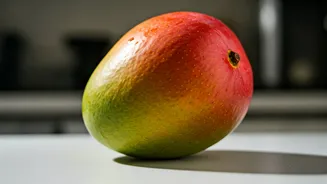
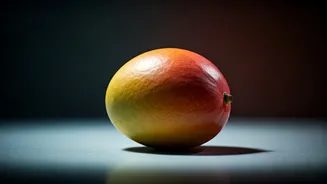
You might think, “But I peel mangos, so why bother washing the skin?” This is the most common and critical misunderstanding. The primary risk with mangos, cantaloupes, avocados, and other peelable fruits is cross-contamination. When you place an unwashed mango on your cutting board and slice into it, your knife acts as a vehicle. It picks up whatever is on the rind and drags it directly through the pristine, juicy flesh you’re about to eat. Suddenly, the bacteria that were harmlessly sitting on the outside are now C-stroked across your snack. The U.S. Food and Drug Administration (FDA) is clear on this point: all produce should be washed, regardless of whether you plan to eat the peel. For mangos, whose tough skin is often handled extensively during its journey, this step is your best defense against inadvertently turning a healthy treat into a source of foodborne illness.
Your Four-Step Guide to Safe Prep
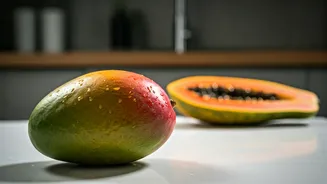
Adopting a safer fruit-prep routine is simple and takes less than a minute. Think of it as a small ritual that guarantees peace of mind. 1. **Wash Your Hands:** Start with clean hands. Wash them for at least 20 seconds with soap and warm water before and after handling any produce. 2. **Wash the Fruit:** Hold the mango under cool, running water. There’s no need for soap, produce washes, or bleach solutions; the FDA advises against them. Use a clean produce brush to gently scrub the skin to dislodge any stubborn dirt or bacteria, especially around the stem area. 3. **Use Clean Surfaces:** Place the now-clean mango on a clean cutting board and use a clean knife. This prevents re-contaminating the fruit. After you're done, wash the cutting board, knife, and countertop thoroughly with hot, soapy water. 4. **Dry and Prepare:** Pat the fruit dry with a clean cloth or paper towel before cutting. This can help remove any lingering bacteria. Now you’re ready to slice, dice, and enjoy.
Beyond the Wash: Smart Selection and Storage
Safety starts at the store. When selecting a mango, look for one with smooth, unbroken skin. Avoid fruit with bruises, soft spots, or mold, as these are entry points for bacteria. A ripe mango will yield slightly to gentle pressure and have a fragrant, fruity aroma at the stem end. Unripe mangos can be left at room temperature to soften over a few days. Once your mango is ripe, it’s best to store it in the refrigerator to slow down further ripening and inhibit bacterial growth. If you’ve cut a mango, store the leftover pieces in an airtight container in the fridge and consume them within a few days. Proper storage is just as crucial as proper washing in maintaining the fruit's quality and safety from your kitchen to your plate.