




The New Definition of 'Value'
For decades, American dining culture, especially at the casual end, was built on a simple promise: more for less. The all-you-can-eat buffet, the 99-cent taco, the overflowing plate of pasta—these were symbols of getting a good deal. But for Millennials
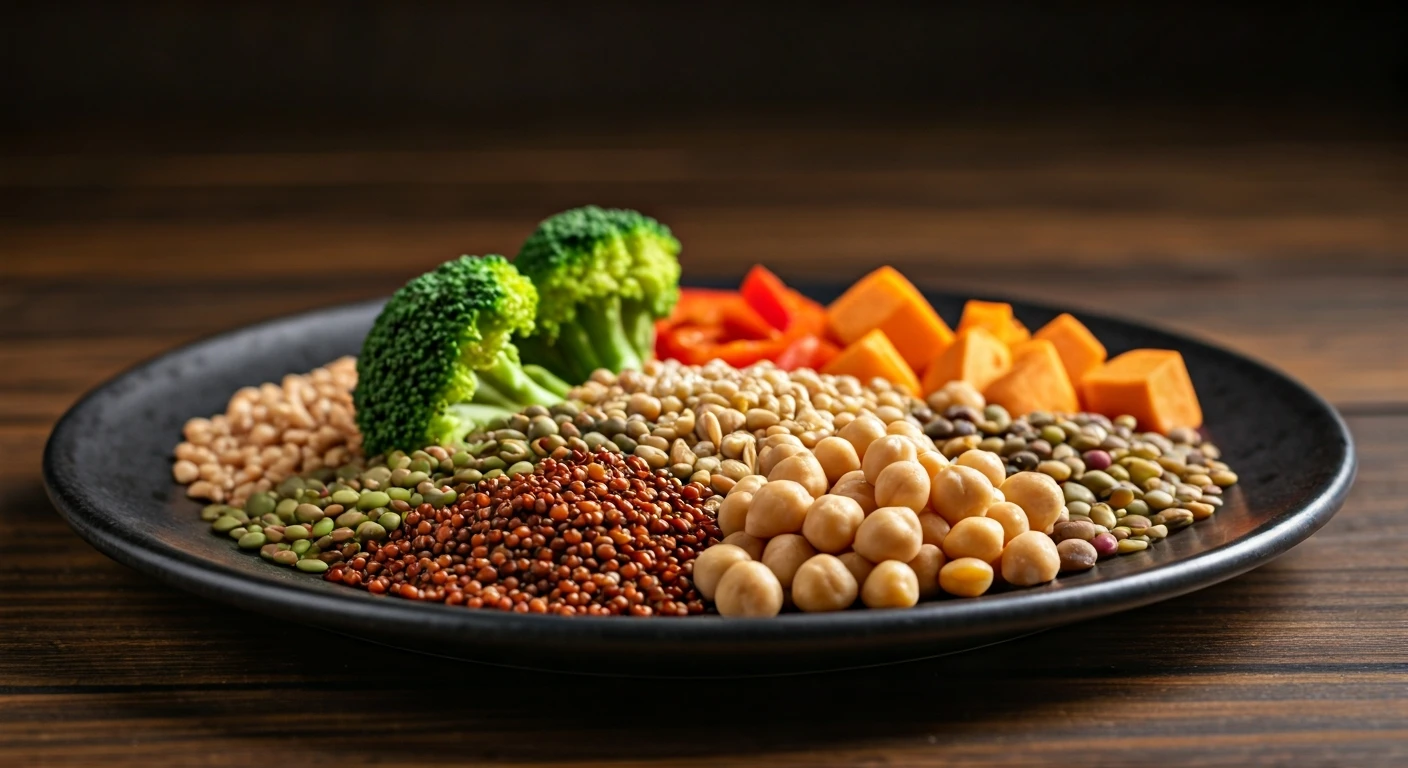
and Gen Z, the equation has been rewritten. Value is no longer a simple calculation of volume divided by cost. Instead, it’s a complex matrix of ethics, health, transparency, and personal identity. A $15 grain bowl made with locally sourced kale and organic quinoa is seen as a better “value” to many than a $10 all-you-can-eat pizza special. Why? Because the modern consumer is buying more than just sustenance. They're buying a story, a statement of principles, and a sense of well-being.
Conscious Consumption as a Default
The single-use plastic straw wasn't the first casualty of this new mindset, but it was one of the most visible. Today’s young diners are acutely aware of the long and often problematic journey their food takes to get to their plate. They want to know where their coffee beans were grown and whether the farmer was paid fairly. They’re asking if the chicken was raised humanely and if the vegetables are free from pesticides. This isn't just a niche concern for a handful of activists; it’s a mainstream expectation. Brands that offer transparency—through clear labeling, QR codes that trace a product's origin, or mission statements centered on sustainability—are winning. Paying a premium for food that aligns with one's values is no longer seen as an extravagance; for many, it’s a non-negotiable part of responsible adulthood.
Health Isn't a Trend, It's the Baseline
While previous generations worried about calories, today’s health-conscious consumers are more concerned with ingredients and processing. The wellness movement has completely reshaped the grocery aisle and the restaurant menu. Words like “organic,” “plant-based,” “gluten-free,” and “non-GMO” aren't just buzzwords; they are powerful signals of quality and care. This focus extends beyond dietary restrictions to a holistic view of food as medicine. Young consumers are increasingly educated about the links between gut health, inflammation, and overall vitality. They are willing to spend more on kombucha than on soda, and they’ll choose the avocado toast on whole-grain bread over a stack of pancakes, not as a sacrifice, but as an investment in their own physical and mental well-being. In this framework, cheap, processed food isn't a bargain—it's a liability.
Dining as Entertainment and Identity
Perhaps the biggest shift is the reframing of food as an experience. In an age of social media, a meal is content. The restaurant’s ambiance, the plating of the dish, and the story behind the chef are all part of the product. People aren't just going out to eat; they're going out to participate in a shareable cultural moment. A unique, 'Instagrammable' dish from a trendy food truck can provide more social currency than a three-course meal at a dated chain restaurant. This “experience economy” means that the food itself is only one component. The atmosphere, the service, the branding, and the narrative all contribute to the perceived value. Dining has become a primary form of entertainment and a powerful tool for self-expression, and in that context, 'cheap' and 'boring' are the kiss of death.