

Beyond the Supermarket Standard
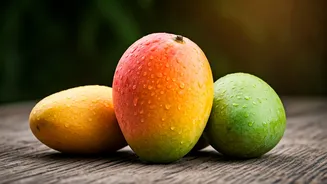
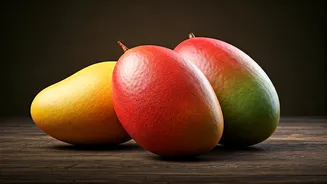
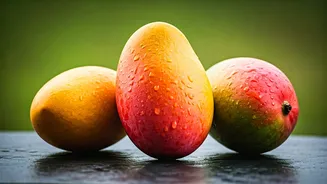
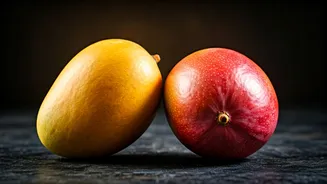
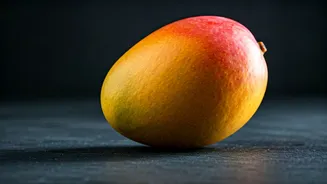
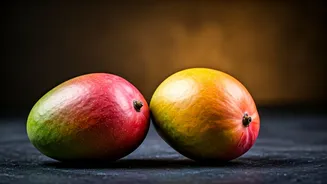
Let’s be honest: the mango most Americans know is the Tommy Atkins. It’s the handsome, blush-red variety that dominates grocery store pyramids. It’s bred for durability, not desire. It ships well, resists bruising, and has a shelf life measured in weeks.
But its flavor? It’s a muted, one-note sweetness, often accompanied by a fibrous texture that gets stuck in your teeth. It’s the missionary position of mangoes—reliable, but rarely transcendent. For millions in India, the mango is not just a fruit; it's a seasonal obsession, a cultural touchstone with hundreds of hyperlocal varieties, each with its own devoted following. Now, thanks to a growing diaspora, better import logistics, and a collective hunger for authentic flavors, some of the true mango royalty is making its way to the U.S.
Meet Himsagar: The Aromatic One
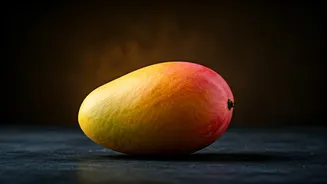
If you see a small to medium-sized, greenish-yellow mango labeled Himsagar, grab it. Originating from the West Bengal region of India, this mango is the antithesis of the bland supermarket fruit. The Himsagar is all about aroma and texture. It is completely, gloriously fiberless, with a creamy, buttery flesh that melts in your mouth. The flavor is where it truly shines. It’s sweet, but not cloying, with a complex, almost musky perfume that hints at floral and honey notes. It’s the kind of fruit you smell long before you taste it. Eating a Himsagar is an experience. It’s not for dicing into a generic fruit salad; this mango demands your full attention. It’s best enjoyed simply sliced, chilled, or eaten straight over the sink, juice dripping down your chin, in what Indians affectionately call the ‘mango baptism.’
Enter Banganapalli: The Regal Giant
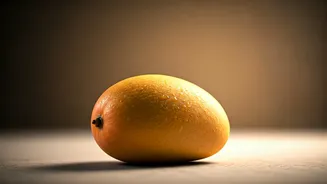
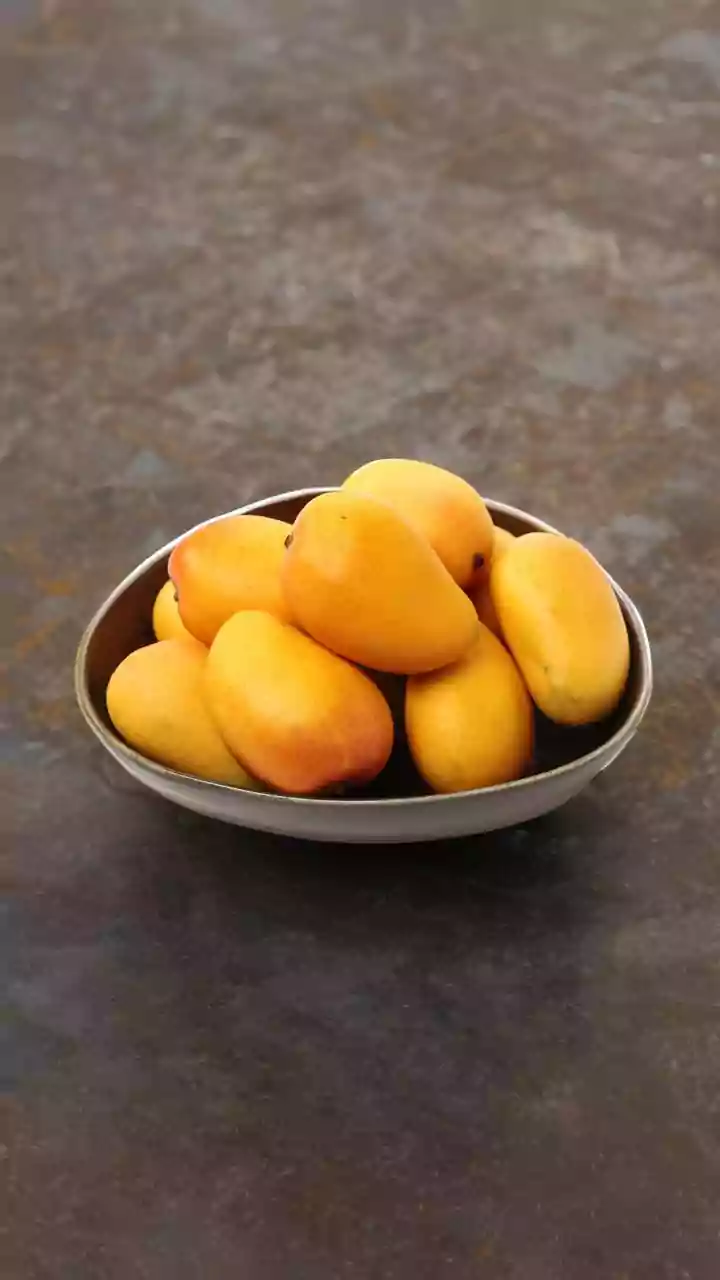
Often sold under its other name, Benishan, the Banganapalli is the king of mangoes from Andhra Pradesh in Southern India. It’s larger than the Himsagar, with a distinct oblique shape and a brilliant, unblemished golden-yellow skin when ripe. If Himsagar is the perfumed poet, Banganapalli is the stately, confident royal. Its flesh is also fiber-free, firm, and a beautiful deep yellow. The taste is a masterful balance of sweetness and a gentle, pleasant tartness. It’s less intensely aromatic than the Himsagar but has a cleaner, more direct mango flavor that is incredibly satisfying. Its size and firm flesh make it versatile—perfect for slicing and eating fresh, but also sturdy enough to be used in desserts, smoothies, or the classic Indian mango lassi without turning to mush.
Why Now? The Journey to America
So why are we suddenly seeing these varieties? The demand has always been there, especially within the South Asian-American community. The challenge was supply. Indian mangoes must undergo irradiation treatment to meet USDA import standards, a process that can affect taste and texture if not done carefully. For years, this made large-scale import difficult and expensive. However, streamlined logistics, dedicated importers, and a growing number of specialty grocers (like Patel Brothers and a host of online retailers) have cracked the code. They are air-freighting these precious fruits during their short season (typically April through June) to meet the ravenous demand. This isn't just about serving a niche community anymore; it's part of a broader trend where American consumers are rejecting bland, mass-market produce in favor of specific, regional, and flavor-forward ingredients.
A Buyer's Guide to the Mango Boom
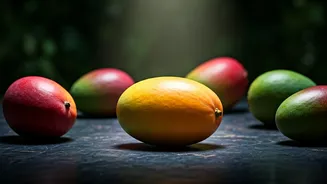
Ready to dive in? Your best bet is to visit a local Indian or South Asian grocery store during the spring and early summer. Look for signs announcing the arrival of the “mango box.” These varieties are often sold by the case, a testament to their preciousness. When buying, don’t just look at the color. A ripe mango should have a slight give when gently pressed, and most importantly, it should be fragrant at the stem end. If it smells like a mango, it’s ready. Once home, don't refrigerate them until they are perfectly ripe. Let them sit on the counter for a day or two to bring out their full flavor potential. Once they hit that perfect fragrant softness, you can chill them before serving. But a word of warning: once you taste a truly great mango, there’s no going back to the red, stringy ones at the supermarket.