







The Tech-Fueled Revolution
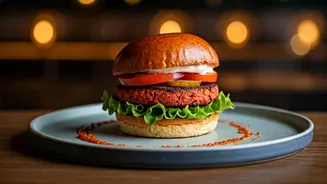
The most visible part of this upgrade is sitting in your grocery store’s meat aisle. For years, veggie burgers were afterthoughts—dry, crumbly pucks of soy and grains that satisfied a need but rarely sparked joy. Today’s plant-based meats are a different
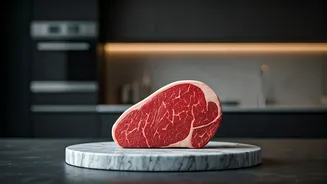
species entirely. Companies like Impossible Foods and Beyond Meat have poured millions into food science, using plant-derived heme and advanced protein texturizing to create products that sizzle, smell, and taste remarkably like their animal-based counterparts. This isn't just about burgers anymore. The technology has expanded to mimic sausages, ground beef, and even chicken nuggets, fooling even dedicated carnivores in blind taste tests. The goal has shifted from creating a meat *substitute* to creating a meat *alternative* that stands on its own merit, providing the same sensory experience without the cow.
When Vegetables Became the Stars
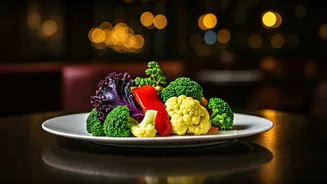
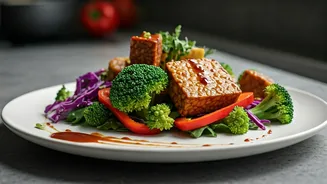
Perhaps the more profound upgrade isn't in faking meat, but in celebrating vegetables for what they are. A new generation of chefs has moved away from the idea that a vegetarian main course must mimic a meat one. Instead, they are unlocking the extraordinary potential of the plants themselves. Techniques once reserved for prime cuts of beef—like smoking, searing, and dry-aging—are now being applied to mushrooms, cabbages, and carrots. Restaurants are building entire tasting menus around the complex flavors of the vegetable kingdom, coaxing umami from fermented tomatoes and richness from slow-roasted squash. This vegetable-forward movement treats a beet with the same respect as a filet mignon, resulting in dishes that are vibrant, deeply satisfying, and completely original. It’s a culinary mindset shift that proves you don’t need a meat analog to have a show-stopping centerpiece on your plate.
Smarter Nutrition, Better Choices
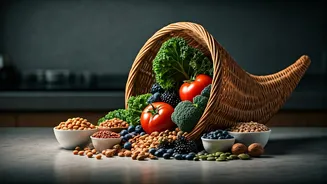
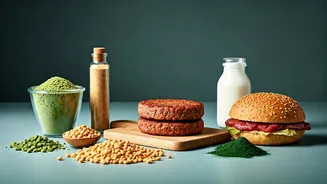
The health conversation around vegetarianism has also received a critical update. In the past, simply cutting out meat was often seen as an automatic ticket to good health. We now understand it’s more nuanced. A diet of soda, fries, and highly processed vegan snacks is technically vegetarian, but it’s far from healthy. The modern upgrade involves a more sophisticated approach to plant-based nutrition, emphasizing whole foods—fruits, vegetables, legumes, and whole grains—over their processed counterparts. There's a greater awareness of the need to actively seek out key nutrients like B12, iron, and omega-3s. This nutritional literacy empowers people to build vegetarian diets that are not just ethically or environmentally motivated, but are also robustly and intentionally healthy. The focus has moved from what you're *avoiding* to what you're *including*, creating a more sustainable and beneficial way to eat.
Mainstream Appeal and Accessibility
Ultimately, the biggest upgrade is cultural. Vegetarianism is no longer a niche lifestyle for a select few. It's mainstream. Fast-food giants offer plant-based options, office cafeterias feature dedicated vegan stations, and cookbooks celebrating vegetables are consistent best-sellers. This widespread acceptance has created a positive feedback loop: more demand leads to more and better options, which in turn encourages more people to try them. You no longer have to hunt for a specialty health food store to find oat milk or decent tofu. This accessibility removes the friction that once made plant-based eating feel like a chore. Being the vegetarian at a group dinner no longer means settling for a side salad; it often means getting one of the most interesting and thoughtfully prepared dishes on the menu.