




The Hill Station, Redefined
For Americans, the term “hill station” might not ring a bell. But in India, it’s a cultural touchstone. These high-altitude towns were originally established by the British Raj as summer escapes from the sweltering heat of the plains. Places like Shimla,
Darjeeling, and Mussoorie became grand resorts, complete with manicured gardens, social clubs, and Victorian architecture. Over the decades, however, many have become victims of their own success—overcrowded, commercialized, and choked with traffic. Landour, perched just a few winding miles above the bustling hub of Mussoorie in the Himalayan foothills, is the exception. It isn't a separate city but a cantonment town—a small, historically military-administered area that has, by a quirk of fate and strict building regulations, preserved its original character. It offers the same promise of cool mountain air and stunning Himalayan views, but without the chaotic marketplace vibe. It’s less of a destination and more of a mood.
A Walk Through a Storybook
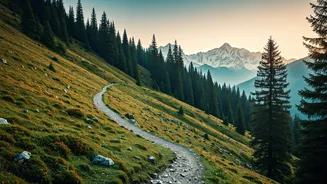
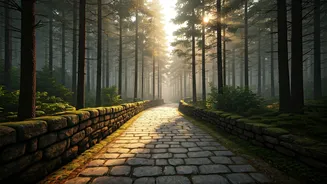
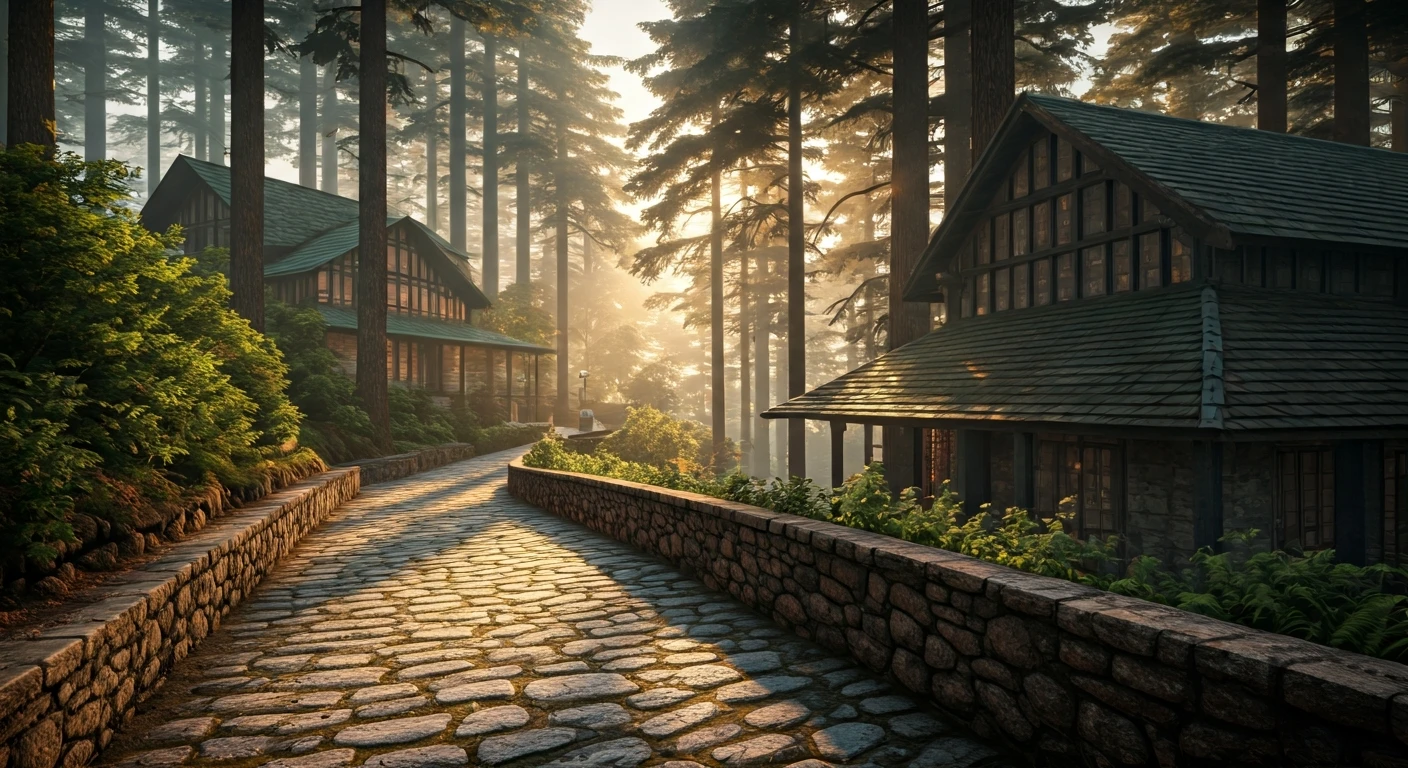
Visiting Landour feels like stepping into the pages of a forgotten novel. There are no malls, no multiplexes, and very few cars. The primary mode of transportation is your own two feet. The town is built around a winding, figure-eight road known as the “Upper Chakkar” or “Kellogg's Church loop,” a three-kilometer walk that offers breathtaking views of the snow-capped Himalayan peaks on one side and the sprawling Doon Valley on the other.
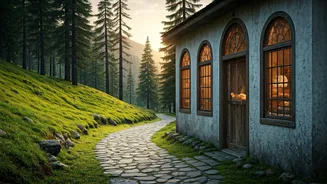
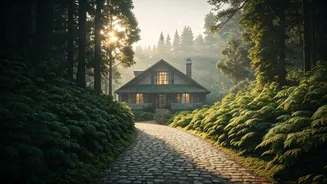
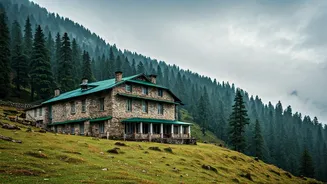
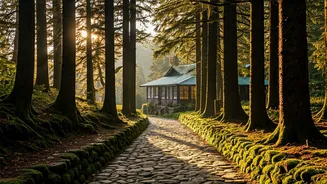
Lining these quiet lanes are stone-walled cottages and historic homes with names like “Sylvania,” “Woodside,” and “The Parsonage.” Gothic-revival St. Paul’s Church, built in 1840, stands sentinel over the landscape. Monkeys chatter in the dense canopy of pine, oak, and deodar trees. The pace is deliberately, almost defiantly, slow. This isn't a place for ticking off sights; it's a place for soaking in an atmosphere that feels a world away from the 21st century.
The Literary Heart of the Hills
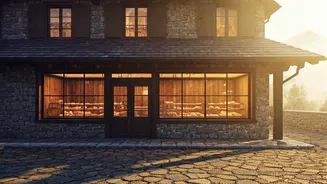
At the center of Landour’s tiny universe is Char Dukan, which literally translates to “four shops.” This cluster of simple storefronts has been serving tea, eggs, and pancakes to locals, travelers, and students from the nearby Woodstock School for generations. It’s the town's de facto social square. Just a short walk away is the Landour Bakehouse, a more recent but equally beloved institution, famous for its sticky toffee pudding, fresh-baked bread, and cozy, rustic charm.
But Landour’s biggest claim to fame is arguably its most famous resident: Ruskin Bond. The celebrated author, India's answer to a beloved national treasure, has lived here for decades, and his gentle, observant writing has come to define the town's soul. You won't find a flashy museum dedicated to him, and that's the point. His presence is felt in the town’s quiet, bookish character and in the reverence for nature and simplicity that permeates his work and Landour itself. Seeing him browse the shelves at the Cambridge Book Depot in nearby Mussoorie is a pilgrimage for many literary travelers.
The Allure of Doing Nothing
So why is this sleepy hamlet “stealing attention”? Because in an era of over-tourism and the relentless pressure to capture every moment for social media, Landour offers a radical alternative: the freedom to do nothing at all. Its appeal lies not in what it has, but in what it lacks. There are no major tourist attractions to queue for, no adventure sports to conquer, no nightlife to speak of.
Instead, it offers the luxury of time and space. It’s a place to read a book on a sunny balcony, take a long walk with no particular destination, and listen to the wind in the trees. Travelers who find their way here aren’t looking for a party; they are seeking refuge. They are trading the checklist of a typical vacation for the quiet introspection that only a place so beautifully preserved in time can provide.