








The Old Map vs. The New Reality
Remember how you used to plan a trip? You’d open a dozen browser tabs, comparing flight prices, hotel reviews, and lists of ‘must-see’ attractions. The decision matrix was a complex blend of budget, timing, and Instagram potential. The weather was a factor,
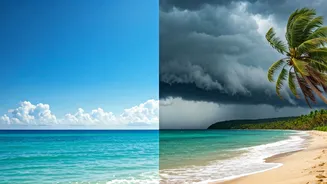
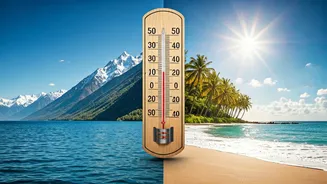
sure, but mostly in the context of avoiding rain. Today, that entire process is being upended by a far more primal concern: Will it be too hot to actually leave the hotel room? Suddenly, a forecast of 105°F in Phoenix or 98°F with crushing humidity in Orlando isn’t just a minor inconvenience; it's a dealbreaker. This isn't about preferring a mild day. It's about health warnings, canceled excursions, and the miserable reality of trying to sightsee on asphalt that feels like a frying pan. Travel search data increasingly reflects this shift. Instead of just typing “beach vacation,” people are now implicitly looking for destinations that won’t put their health, or their entire travel investment, at risk due to extreme heat.
When Paradise Becomes an Oven
The traditional summer hotspots are feeling the burn—literally and economically. Think of the postcard destinations across the American South and Southwest. These places built their tourism identities around sunshine. Now, that very asset has become a liability in July and August. Reports from cities like Austin and Phoenix detail a drop-off in summer tourist activity, as even the most heat-acclimated travelers balk at consecutive weeks of triple-digit temperatures. It’s hard to sell a vibrant outdoor dining scene when patios are dangerously hot.
It’s a global phenomenon, too. Summer 2023 saw tourists in Southern Europe fainting at historic sites, and wildfires, supercharged by heat and drought, forcing evacuations from idyllic Greek and Italian resorts. The dream of sipping wine in a Tuscan villa loses its appeal when you’re worried about smoke inhalation. This changes the calculus entirely. The question is no longer just “Can I afford to go?” but “Is it safe and pleasant to go?” For a growing number of iconic destinations, the summer answer is becoming a reluctant “no.”
Welcome to the 'Coolcation' Era
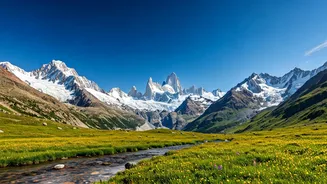
With the old map looking scorched, travelers are charting new territory. Enter the “coolcation”—a trip planned specifically to escape the heat. These aren't just consolation prizes; they are rapidly becoming the new aspirational destinations for summer. Instead of the crowded Mediterranean, savvy travelers are looking toward the refreshing breezes of the North Atlantic, from the wild coasts of Ireland and Scotland to the pristine fjords of Norway.
Domestically, the compass is pointing north. The Great Lakes region, once seen as a ‘flyover’ area, is experiencing a tourism renaissance. Cities like Traverse City, Michigan, and Duluth, Minnesota, are booming, offering charming towns, stunning natural shorelines, and, most importantly, average summer highs in the 70s. The Pacific Northwest, coastal Maine, Vermont, and even Alaska are seeing a surge in interest from Americans desperate for a genuine escape from the oppressive heat blanketing much of the country. These places offer a novel promise: a summer vacation where you might actually need a light jacket at night.
Your New Summer Travel Playbook
So, how do you adapt to this new climate for travel? It requires a slight shift in mindset. First, make temperature a primary search filter, not an afterthought. When researching, look at historical weather averages for your dates, not just glossy photos. Second, embrace the “shoulder seasons.” A trip to Italy in May or late September can offer all the charm with a fraction of the heat stress and crowds. Third, think geographically. Seek altitude or coastlines. A mountain town or a coastal village will almost always offer natural air conditioning that a landlocked city cannot. Finally, plan for the worst. Ensure your travel insurance covers cancellations due to extreme weather events, which are no longer a remote possibility but a regular feature of summer travel.