
Moving Beyond the Curry House
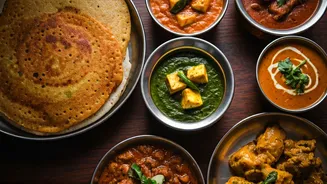
Let’s be honest: for many Americans, the experience of Indian dining has been remarkably uniform. It was often defined by the British “curry house” model—a dimly lit room, a menu of creamy, Anglicized North Indian dishes, and a predictable flavor profile
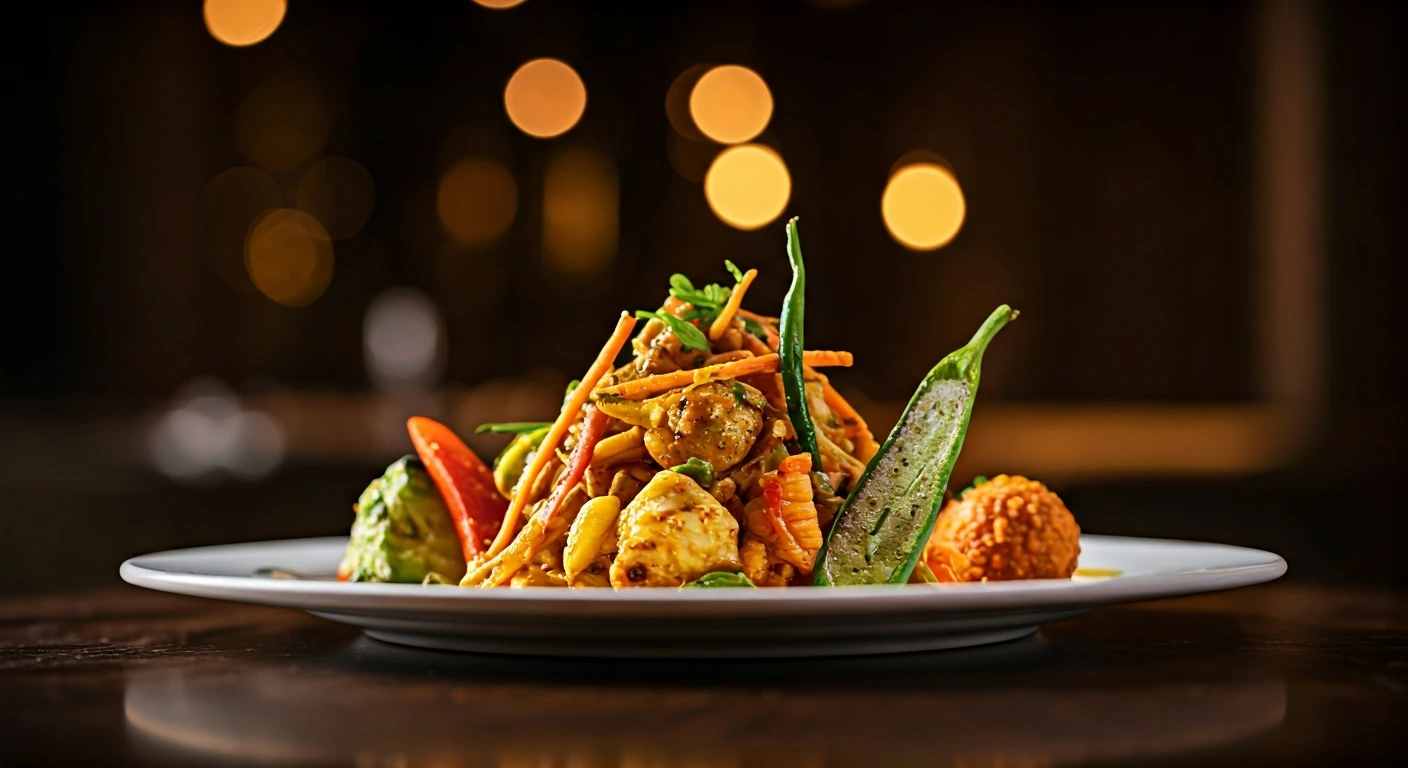
designed not to offend. While delicious, this template presented a single story for a country with dozens of distinct culinary traditions, languages, and cultures. It was a caricature, reducing the vibrant cuisines of Kerala, Bengal, Gujarat, and Goa to a handful of interchangeable gravies. Food from a subcontinent of over a billion people was flattened into a single, marketable concept. But that limited perception is finally, and forcefully, being corrected.
The Rise of 'Unapologetic' Indian Food
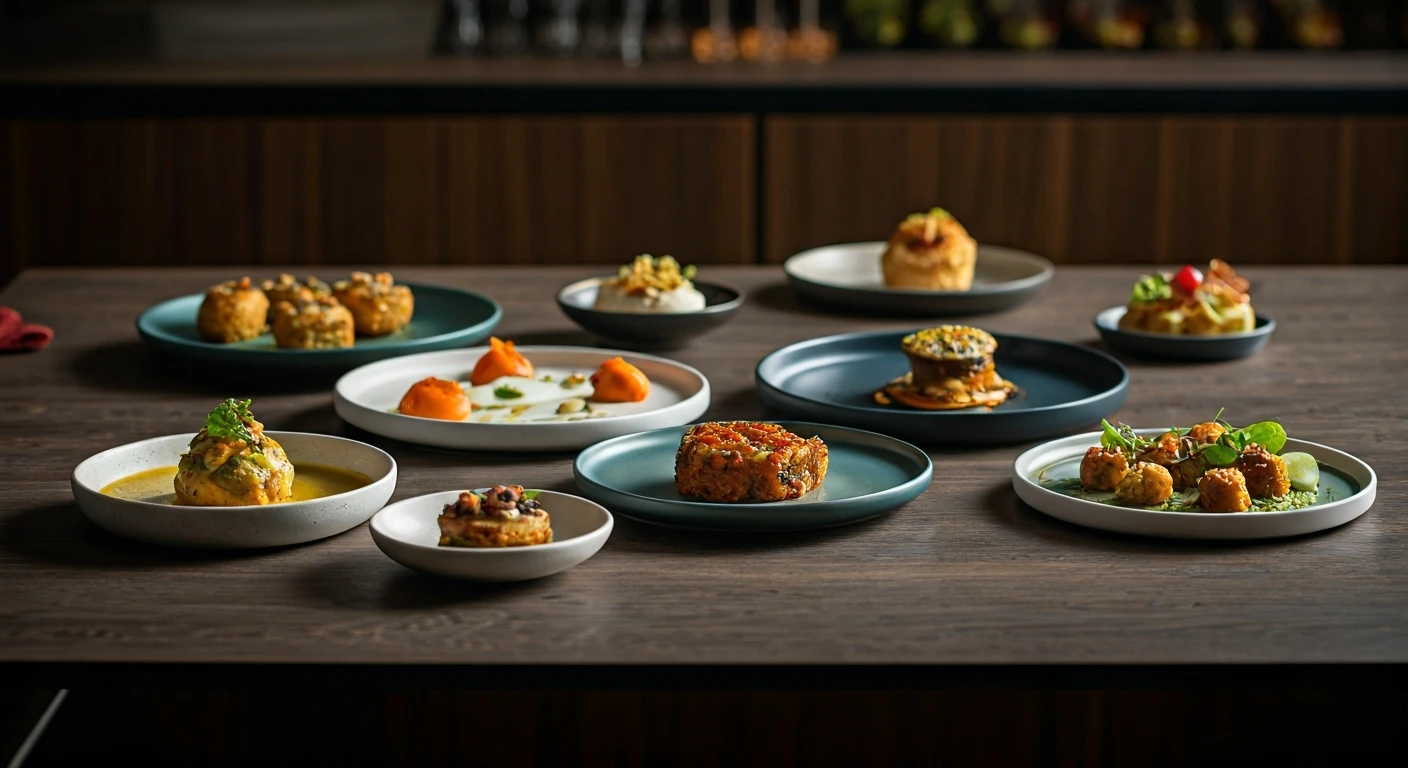
Perhaps no one embodies the new movement better than Chintan Pandya, the culinary force behind a string of hit New York City restaurants like Dhamaka, Semma, and Adda. Pandya’s philosophy is simple yet revolutionary: serve “unapologetic” Indian food. Instead of toning down spices or adapting recipes for a presumed Western palate, his restaurants celebrate hyper-regional specialties in their full, fiery glory. At Dhamaka, the focus is on the provincial, “peasant” food from across India that rarely makes it to restaurant tables. Semma, which earned a Michelin star, dives deep into the rustic flavors of Southern India. Pandya isn't just cooking; he's re-educating diners, proving that the true heart of Indian cuisine lies in its specificity and boldness, not its ability to conform.
From Home Kitchens to Global Stages
While some chefs focus on regionality, others are elevating the profound culinary wisdom found in home kitchens. Asma Khan of London’s celebrated Darjeeling Express is a prime example. Featured on Netflix’s *Chef’s Table*, Khan built her restaurant on the foundation of recipes passed down through her family, served by an all-female kitchen staff of immigrants without formal training. Her food tells a story of community, migration, and the quiet power of women as keepers of culinary heritage. By championing dishes from her Mughal and Bengali background, Khan has shown the world that authenticity isn't about rigid tradition but about personal history and heartfelt hospitality. It’s a powerful reminder that the most memorable meals are often born not in a professional kitchen, but at a family table.
Redefining Indian Fine Dining
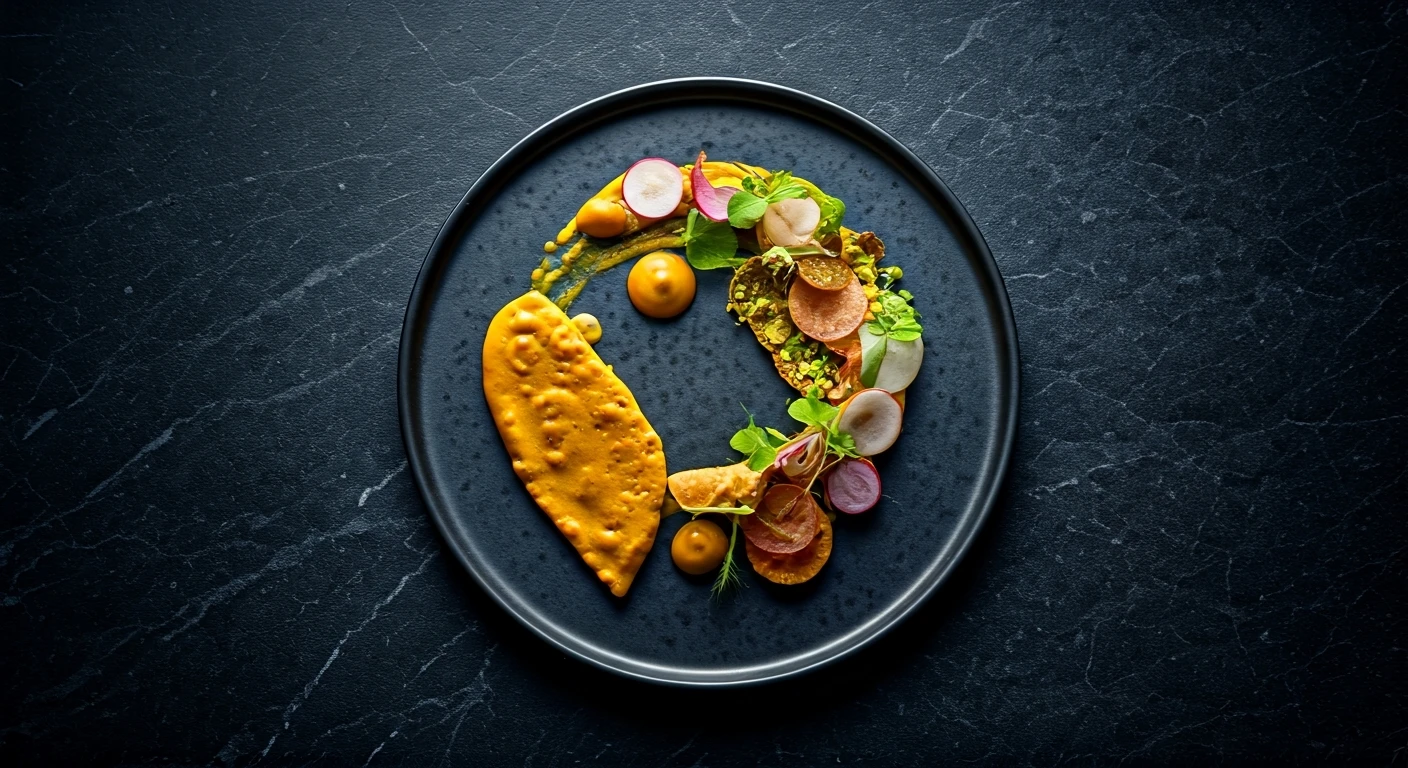
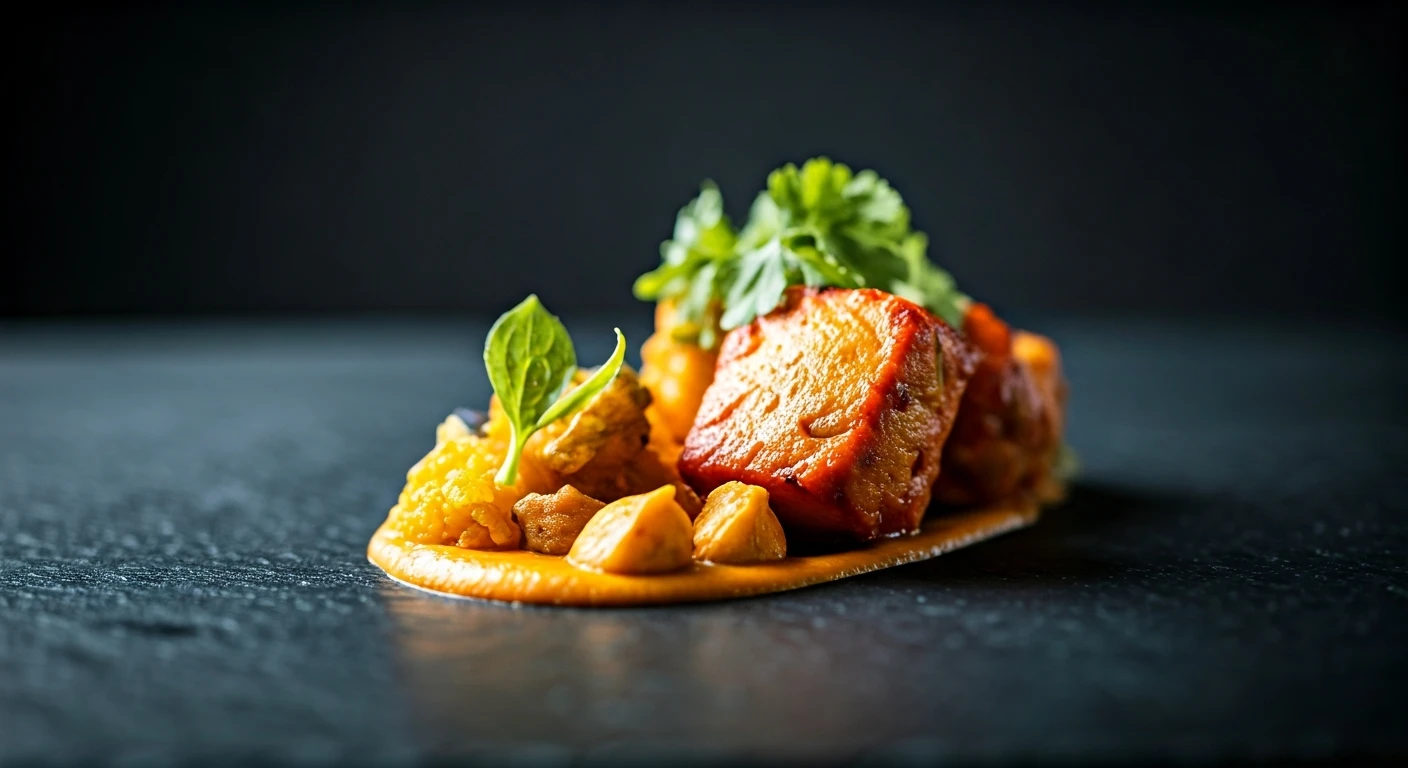
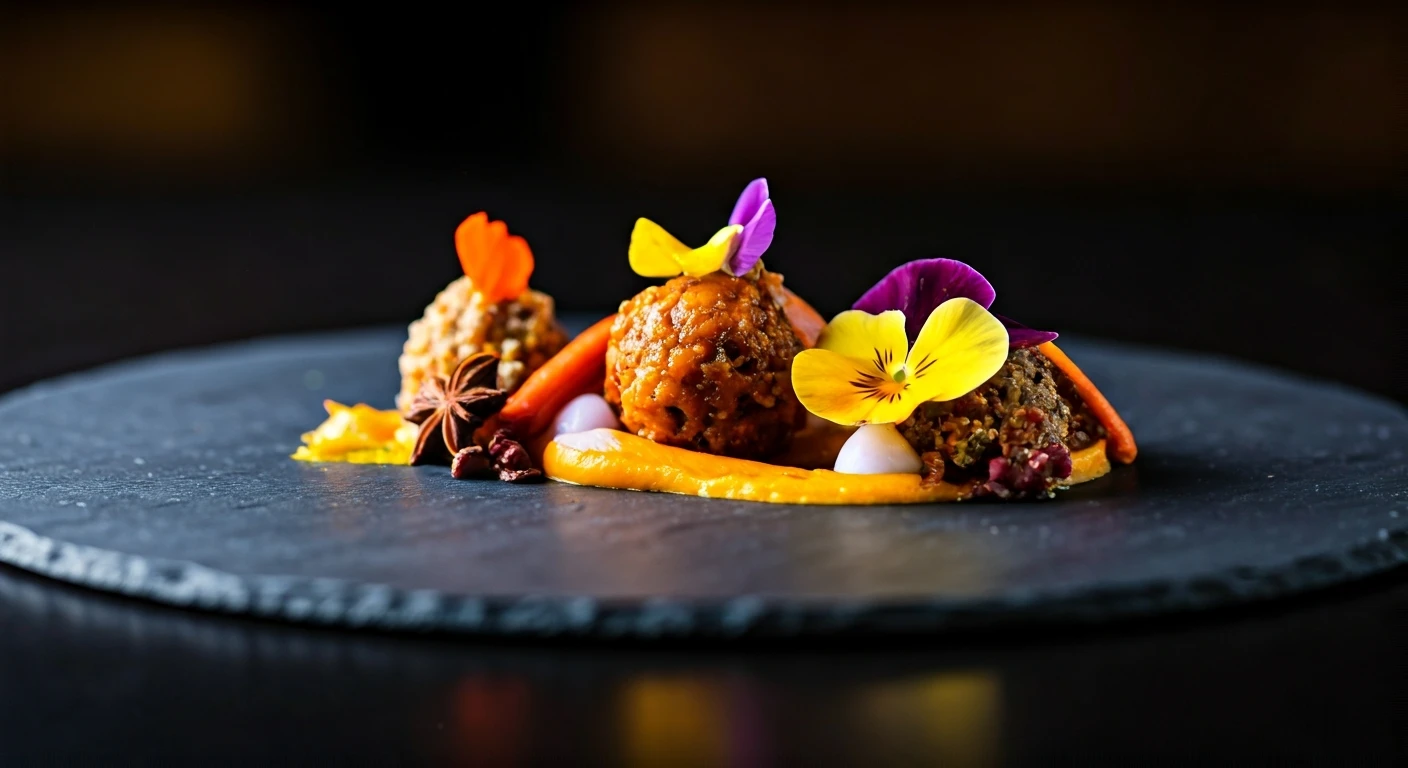
The transformation isn’t just happening in casual or rustic settings. Indian chefs are also claiming their space in the world of global fine dining. Garima Arora became the first Indian woman to earn a Michelin star for her Bangkok restaurant, Gaa, where she applies modern techniques to traditional Indian ingredients and concepts. Chefs like her are challenging the old Euro-centric hierarchy of haute cuisine. They are meticulously researching ancient preservation methods, exploring the medicinal properties of spices, and presenting Indian flavors with the artistry and precision once reserved for French or Japanese food. This isn't about fusion; it's about evolution, proving that Indian culinary traditions are a deep well of inspiration for high-concept, world-class dining.
A New Generation of Storytellers
Ultimately, this culinary renaissance is about more than just food. It’s about ownership and narrative. Empowered by social media, a more adventurous dining public, and a stronger connection to their roots, these chefs are acting as cultural ambassadors. They are rejecting the role of simply feeding people and embracing the role of storytellers. They are using their platforms to explore identity, challenge stereotypes, and celebrate a heritage that is as complex and varied as the subcontinent itself. They are not just cooking; they are communicating what it means to be Indian today, one incredible, authentic, and unapologetic dish at a time.