



First Off, Where Is Kumaon?
Imagine a lesser-known cousin to the Colorado Rockies, but on a divine, epic scale. That’s the Kumaon region in the northern Indian state of Uttarakhand. While many travelers know Himalayan hotspots like Rishikesh or Shimla, Kumaon offers a different
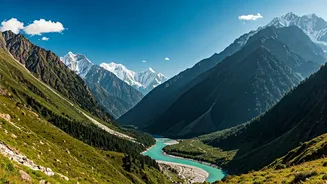
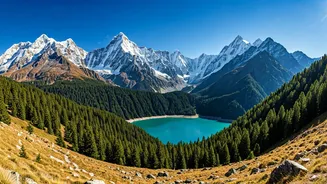
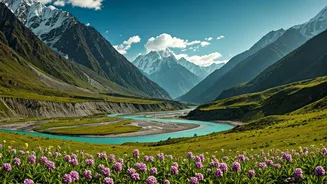
flavor—a tapestry of serene lakes, terraced hillsides, and ancient temples, all watched over by some of the world's highest peaks. It’s a region that has long inspired mystics and adventurers but has largely stayed off the mainstream international tourist radar. This is slow travel territory, where the journey along winding mountain roads is as much a part of the experience as the destination itself.
The Jaw-Dropping Backdrop
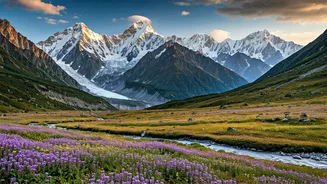
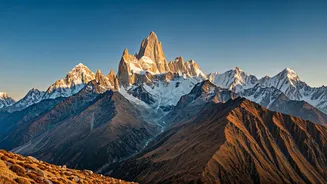
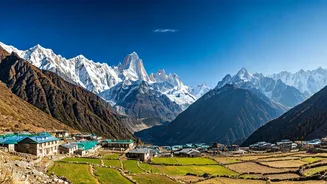
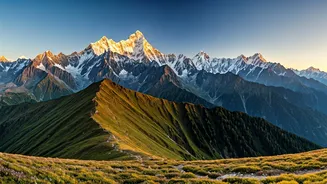
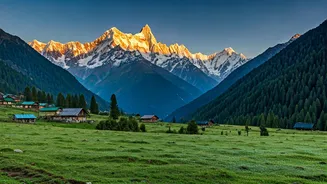
So what makes Munsiyari so special, even within this stunning region? The views. The town is perched on a small plateau that serves as a natural balcony for one of the most spectacular mountain panoramas in the Himalayas: the five peaks of the Panchachuli massif. Unlike in other hill stations where you might strain for a distant glimpse of snow, in Munsiyari, these colossal peaks feel close enough to touch. They dominate the skyline, changing color with the passing sun, from a soft alpine glow at dawn to a fiery orange at sunset. For photographers, artists, or anyone who just wants to sit with a cup of chai and feel completely humbled by nature, Munsiyari’s front-row seat is its primary, unforgettable draw.
A Gateway to High-Altitude Adventure
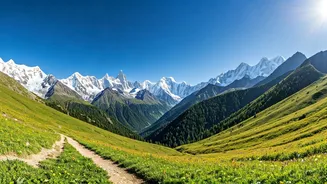
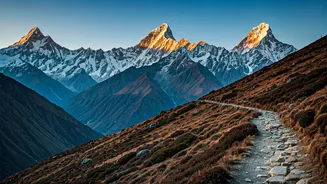
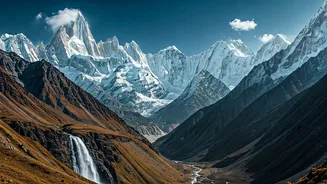
While you could spend days just gazing at the mountains, Munsiyari is also a legendary base camp for trekkers. It’s the starting point for some of India's most challenging and rewarding treks, including the multi-week expedition to the Milam and Ralam Glaciers. These routes follow ancient trade paths once used by merchants journeying to Tibet, winding through remote valleys and high-altitude passes. But you don’t have to be a seasoned mountaineer to enjoy the outdoors here. There are countless shorter day hikes to surrounding villages, alpine meadows (known as *bugyals*), and hidden waterfalls. A popular short hike is to Khaliya Top, a ridge that offers a 360-degree view of the Panchachuli and Nanda Devi ranges.
A Deep Dive into Local Culture
Munsiyari’s soul isn't just in its landscape; it's in its people. The area is home to the Bhotia community, a people with a rich history as trans-Himalayan traders. A visit here offers a glimpse into a unique way of life that is deeply connected to the mountains. You can explore the local markets, where villagers sell hand-woven pashmina shawls and other woolen goods, a craft honed over generations. A walk through the town reveals traditional homes with intricately carved wooden doors and windows. Unlike more commercialized destinations, the cultural experience in Munsiyari feels authentic and unforced. It’s an opportunity to connect with a place that has retained its distinct identity in the face of modernity.
The Journey Is Part of the Charm
Getting to Munsiyari requires commitment. There’s no airport or train station in town. The most common route involves flying into Pantnagar or taking a train to Kathgodam, followed by a long, multi-day drive through the winding mountain roads of Kumaon. This might sound like a drawback, but it’s actually the town’s secret weapon. The long journey filters out the casual tourist, ensuring that those who arrive truly want to be there. It transforms the trip from a simple vacation into a pilgrimage of sorts, with every hairpin turn revealing a new vista and building anticipation for the final, breathtaking reveal of the Panchachuli peaks.