

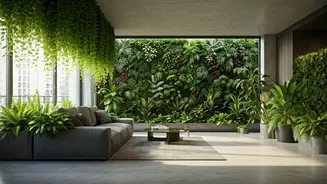




What Is Biophilic Design, Exactly?
Before we dive into the Indian context, let's clarify the term. 'Biophilia,' popularized by biologist E.O. Wilson, describes the innate human tendency to seek connections with nature. Biophilic design is the architectural and interior design practice
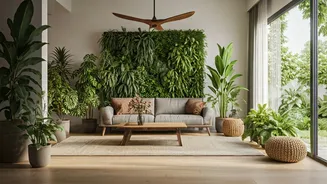
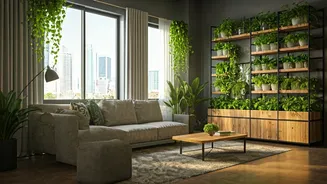
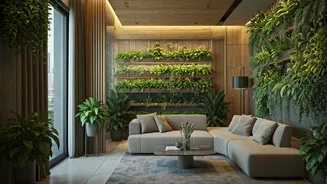
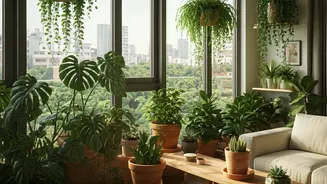
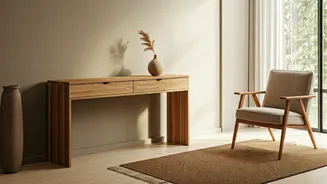
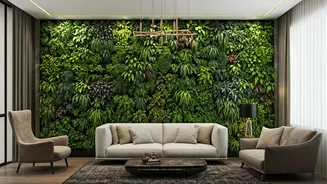
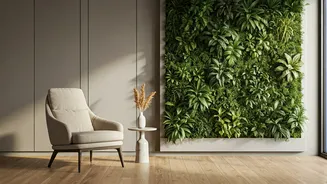
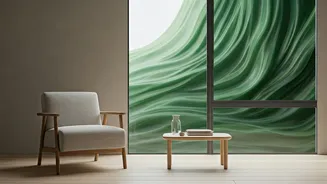
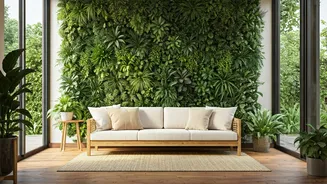
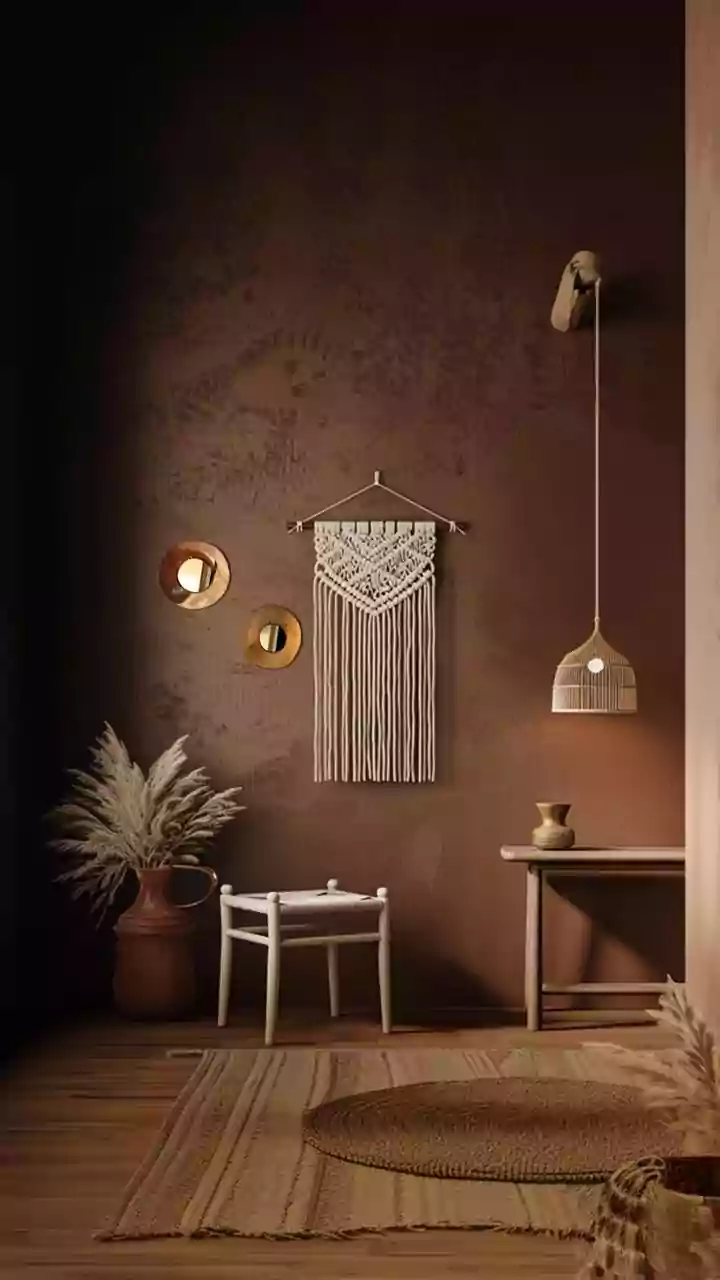
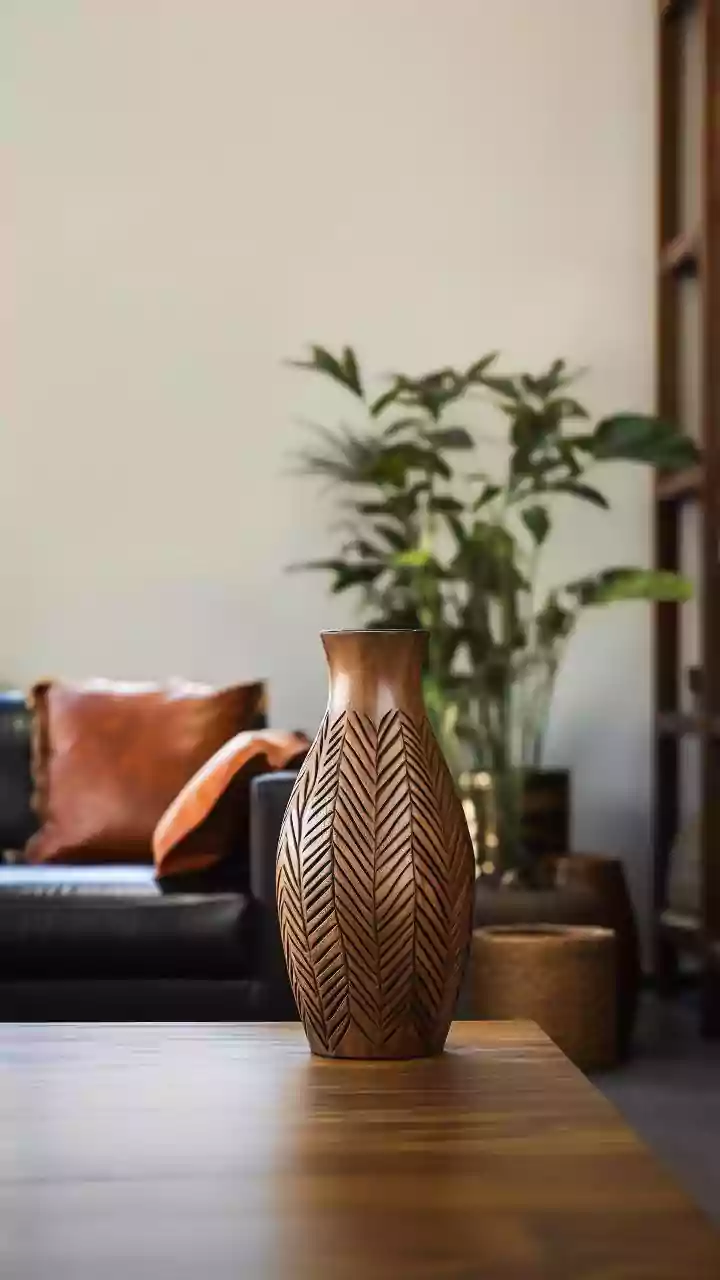
of fulfilling that need. It’s about more than just adding a few potted plants to a room. It's a holistic strategy to integrate natural elements directly and indirectly into the spaces where we live and work. Direct connections include things you can see, touch, and feel: living green walls, indoor water features, abundant natural light, and views of gardens or parks. Indirect connections involve using natural materials, patterns, and colors that evoke the outdoors—think wood grain textures, stone surfaces, earthy color palettes, and furniture with organic shapes. The ultimate goal is to create environments that reduce stress, improve cognitive function, and enhance our overall sense of well-being.
A Green Answer to Concrete Jungles
One of the primary drivers of this trend in India is rapid, dense urbanization. In megacities like Mumbai, Delhi, and Bangalore, vertical growth has often meant sacrificing green spaces. High-rise apartments and compact living quarters can leave residents feeling disconnected from the natural world. Biophilic design offers a powerful antidote.
Architects and homeowners are consciously pushing back against the grayness of the urban landscape by creating personal oases. This isn't just about aesthetics; it's a quality-of-life issue. After spending hours in traffic and enclosed office spaces, people are craving a home environment that feels restorative and alive. Incorporating large windows that frame a single tree, designing balconies as lush gardens, or building a central courtyard that pulls in light and air becomes an essential act of reclaiming nature.
Ancient Roots in a Modern Form
While the term 'biophilic design' is modern, its principles are deeply embedded in traditional Indian architecture. For centuries, Indian homes were designed for climate and connection. Central courtyards, or *aangans*, were the heart of the home, providing light, ventilation, and a private, secure space for families to gather amidst nature. Intricately carved stone screens, known as *jaalis*, broke up harsh sunlight while allowing breezes to flow through, creating dynamic patterns of light and shadow.
Today's designers are reinterpreting these elements for contemporary apartments and villas. A modern *jaali* might be a laser-cut metal screen that serves the same function. The open courtyard might be reimagined as a double-height atrium with a vertical garden. By drawing on this rich architectural heritage, the move toward biophilia feels less like importing a foreign trend and more like a rediscovery of indigenous wisdom.
The Post-Pandemic Wellness Factor
The global pandemic was an accelerant. Forced to spend unprecedented amounts of time indoors, people everywhere became acutely aware of their home's limitations—and its potential. In India, this coincided with a growing wellness movement. The focus shifted from the home as just a place to sleep to the home as a sanctuary for mental and physical health.
Demand surged for homes that supported a healthier lifestyle. This meant better air quality, more natural light to boost mood, and spaces that reduce anxiety. Biophilic elements deliver on all fronts. Plants are natural air purifiers. Sunlight is a known mood enhancer. The visual presence of nature has been proven to lower cortisol levels. As a result, features that were once considered luxuries—like expansive balconies, private terraces, and interior green spaces—are increasingly seen as necessities for a healthy, modern life.