




The Traditional Carb-Forward Breakfast
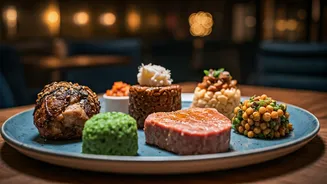
For generations, the Indian breakfast has been a celebration of complex carbohydrates and vibrant flavors. In the south, it’s often soft, steamed rice cakes (idli) or crispy fermented crepes (dosa) served with lentil stew (sambar) and coconut chutney.
In the north, you’ll find flaky, pan-fried flatbreads (parathas) stuffed with potatoes or vegetables, or in the west, flattened rice cooked with onions and spices (poha). While delicious and deeply ingrained in the culture, these meals are predominantly carb-based. Protein, if present, typically plays a supporting role through lentils or yogurt, rather than taking center stage. For decades, this was the unquestioned start to the day for hundreds of millions.
A Nationwide Wellness Awakening
So, what changed? A perfect storm of factors created a massive demand for protein. First, a burgeoning gym culture and the rise of social media fitness influencers made urban Indians more conscious of macronutrients and body composition. Terms like “macros,” “gains,” and “protein intake” entered the mainstream lexicon. Second, the COVID-19 pandemic accelerated a focus on health and immunity, with protein widely marketed as essential for a strong immune system. Finally, there’s a growing awareness, often highlighted by doctors and nutritionists, that the average Indian diet can be protein-deficient. This created an educated consumer base actively looking to fill a nutritional gap, and breakfast was the easiest meal to re-engineer.
The New Protein-Packed Plate
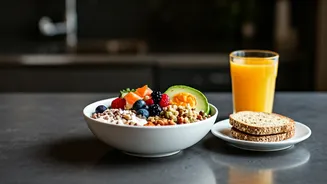
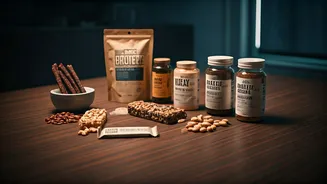
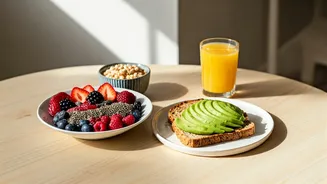
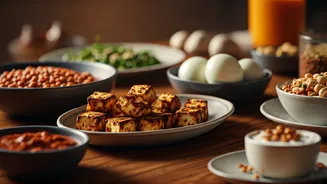
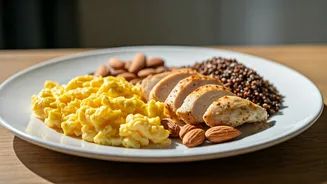
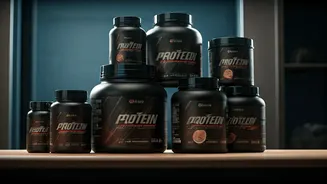
This shift isn’t just about adding a side of eggs. It’s a complete reimagining of the morning meal, driven by a new wave of direct-to-consumer (D2C) brands. The most visible change is the rise of whey protein shakes and sleekly packaged protein bars, which offer a quick, convenient, and measurable dose of protein for the busy urban professional. But the innovation goes deeper, cleverly integrating protein into familiar formats. Supermarket aisles now feature high-protein oatmeal, protein-fortified dosa and idli mixes, peanut butter with added whey, and even savory snacks like millet-based puffs that boast high protein content. It’s a market that’s both adopting Western-style products and Indianizing them for local palates, creating a hybrid breakfast landscape.
More Than Just a Meal
This breakfast transformation is a powerful indicator of a changing India. It reflects a growing, aspirational middle class with disposable income and a desire to invest in personal well-being. For American observers and businesses, it signals a massive, largely untapped market that is increasingly aligned with global wellness trends. The protein boom has unleashed a gold rush for startups and established food giants alike, all vying for a share of the Indian consumer’s wallet. This isn't just a fleeting fad; it's a fundamental shift in lifestyle and consumption habits, representing how globalization, health consciousness, and economic growth are reshaping the daily lives of millions in the world's most populous country.