



The Nightly Transformation
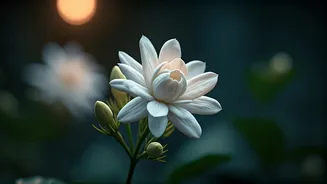
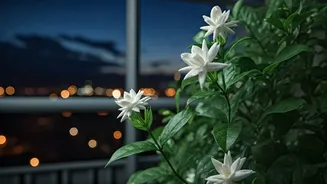
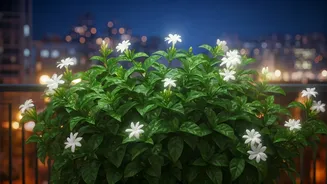
The primary allure of Night-Blooming Jasmine isn’t its daytime appearance. While its clusters of slender, tubular, greenish-white flowers are pleasant, they are merely the opening act. The real show begins after sunset. As dusk settles, the plant releases
an intoxicatingly sweet and powerful perfume that can fill an entire balcony and drift through open windows. This isn’t a subtle, lean-in-to-sniff fragrance; it’s an immersive, atmospheric experience. For anyone looking to transform their outdoor space into a sensory retreat for evening relaxation or entertaining, this plant is an unparalleled performer. The scent is complex, heady, and often described as the very essence of a warm summer night. This dramatic day-to-night shift provides a daily dose of natural magic.
The Perfect Level of Challenge
A “perfect project” needs to strike a balance. It should be engaging enough to feel rewarding but not so demanding that it leads to burnout. This is where Night-Blooming Jasmine excels. It’s not a hands-off succulent, but it's also not a finicky orchid. It thrives on attention. The plant needs full to partial sun, consistent moisture (but not waterlogged soil), and appreciates regular feeding during its growing season. You’ll develop a rhythm with it, learning to read its leaves for thirst and its growth for health. It also responds beautifully to pruning, which encourages bushier growth and more blooms. This interaction is the core of the “plant parent” experience—a relationship of care and response that makes the eventual fragrant payoff feel truly earned.
Made for Small-Space Living
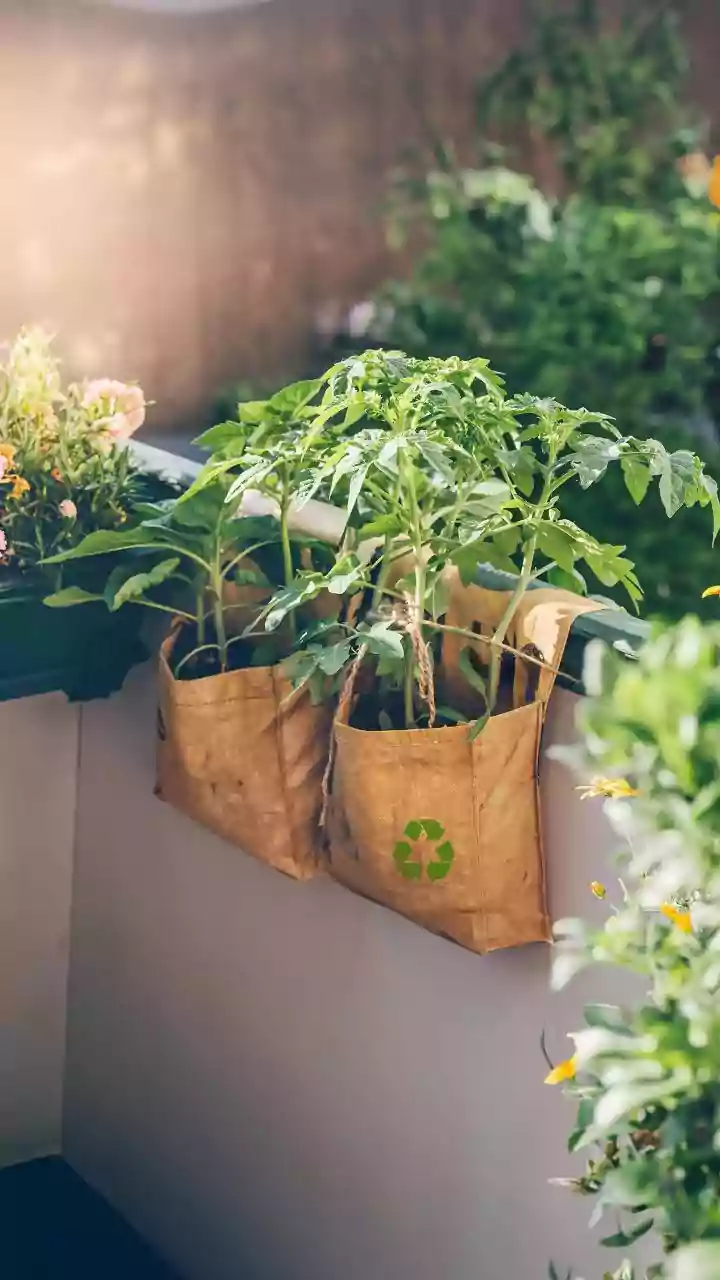
While it can grow into a large shrub in tropical climates, Night-Blooming Jasmine is exceptionally well-suited to container life. This makes it an ideal candidate for balconies, patios, and rooftop gardens. Kept in a pot, its size is naturally constrained, and with strategic pruning, you can easily maintain it at a manageable height of three to five feet. Choose a large container (at least 5 gallons) with excellent drainage to give its roots room to grow. In most of the U.S., it’s treated as a tender perennial. This means you’ll develop a seasonal routine, enjoying its blooms outdoors from spring through fall and then moving it to a sheltered garage or even a bright indoor spot to protect it from winter frosts. This cycle further cements its status as a true project, marking the seasons with you.
A Few Things to Know
Part of being a responsible plant parent is doing your research. First, the plant commonly called Night-Blooming Jasmine is actually *Cestrum nocturnum*, a member of the nightshade family, not a true jasmine (*Jasminum*). This is an important distinction. Second, all parts of the plant, especially its white berries, are toxic to humans and pets if ingested. If you have curious pets or small children, this is a critical consideration for placement. Finally, that legendary fragrance is powerful. For some people, particularly in very small or enclosed spaces, it can be overwhelming. It’s also worth being mindful of close neighbors who might not appreciate an intense nightly perfume. It’s a plant that demands respect for its potent nature, both in beauty and in risk.