




From Empty to Intentional
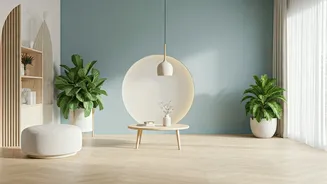
The common critique of minimalism is that it feels impersonal and stark. But this confuses minimalism with mere emptiness. True minimalist design isn't about getting rid of everything; it’s about carefully curating what remains. It’s the philosophy that every single
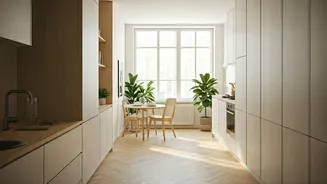
item in your home should have a purpose, a function, or bring you profound joy. When you enter a space where every object has been thoughtfully chosen, you feel that intention. It communicates a sense of peace and order. Rather than a chaotic jumble that says, “I just accumulate things,” an intentional space tells a guest, “Everything here has a purpose and a place. You are now the most important thing in this room.” That feeling of being prioritized is the very definition of being welcomed.
The Psychology of Breathing Room
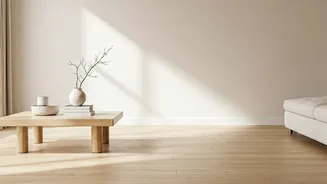
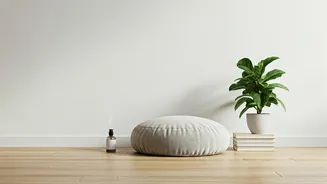
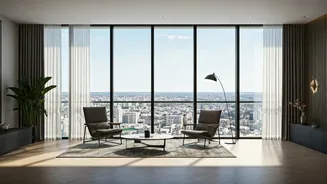
Our brains are constantly processing our environment. A cluttered, overstuffed room is a source of nonstop visual noise, which can subtly increase our stress levels. Studies have even linked high densities of household objects to higher levels of the stress hormone cortisol. A minimalist home does the opposite. By providing what the Japanese call “ma”—the beauty of negative space—it gives your mind a break. There are fewer objects competing for your attention, which creates an immediate and palpable sense of calm. When a guest walks in and their shoulders instinctively drop, that’s the power of a quiet environment. An uncluttered home isn’t shouting for attention; it’s offering a sanctuary. This peaceful backdrop makes it far easier for genuine human connection to become the focal point.
Warmth Through Texture and Light
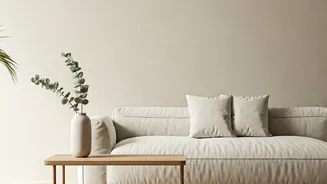
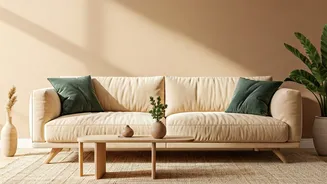
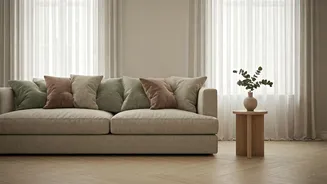
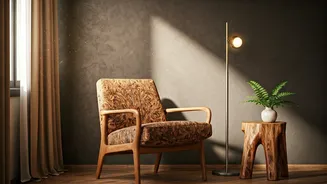
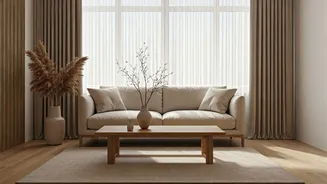
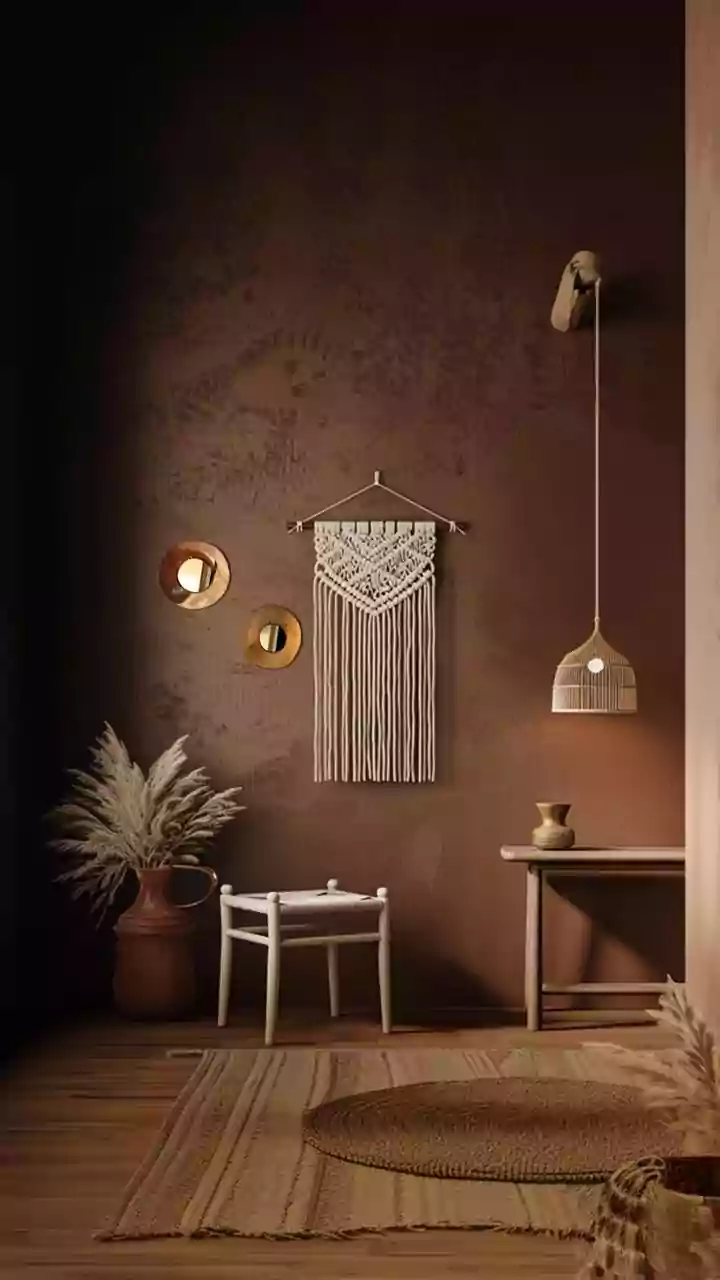
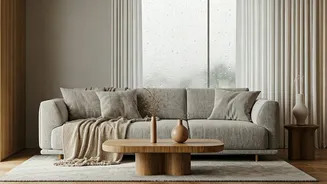
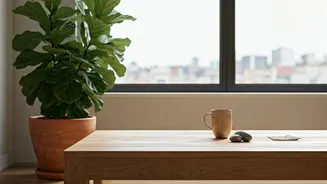
So, how do you avoid the “white cube gallery” feel? The secret to an inviting minimalist home lies in layering textures, natural materials, and light. This is where the aesthetic moves from cold theory to cozy reality. Imagine a space with clean white walls, but add a plush, high-pile wool rug underfoot. Place a chunky knit throw over a simple sofa. Use furniture made of warm, natural wood with a visible grain. The contrast between smooth, clean lines and soft, tactile surfaces is deeply satisfying and comforting. Lighting is also crucial. Instead of a single harsh overhead light, a warm minimalist space uses layers: a main ambient light, a focused reading lamp beside a chair, and perhaps the soft glow of a candle or a small table lamp. These elements create a rich sensory experience that feels luxurious and deeply comforting, inviting you to settle in.
It’s About People, Not Possessions
Ultimately, what makes a home feel inviting is how it prioritizes people. In a home overflowing with possessions, the environment itself can become the star of the show, sometimes to the point of being intimidating or overwhelming for guests. It can feel like a museum of someone else’s life that you’re cautiously navigating. In a minimalist home, the background quiets down. With fewer distractions, the people in the space become the main event. Conversation flows more easily. Laughter seems to echo more clearly. The home becomes a simple, elegant stage for human connection, rather than a showcase for material consumption. It’s a powerful, unspoken message to a guest: “I’m glad you’re here, and I’ve created a space where we can simply enjoy being together.”