





The River That Gives and Takes
Before you can understand the islands, you must understand the river. The Brahmaputra is not just a line on a map in Northeast India; it's a colossal, life-giving force. In the dry season, it can be vast but tamed. During the monsoon, from roughly June
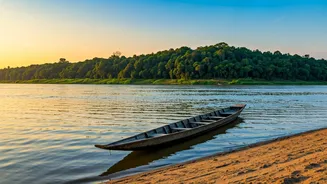
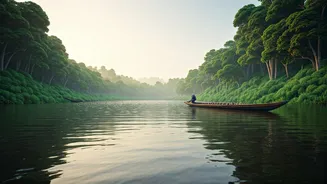
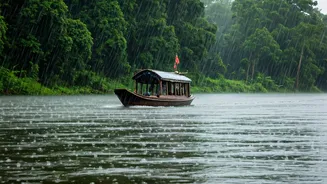
to September, it transforms into a churning, silt-laden giant, swelling to several miles wide. For most tourist destinations, this would be a deterrent. In Assam, it’s the main event. The journey to the world’s largest river island, Majuli, begins on its banks. The ferry crossing isn't a sterile, pre-packaged tour. It’s a microcosm of local life: motorcycles are precariously balanced, families share snacks, and everyone watches the water with a mix of reverence and respect. The air is thick with humidity and the smell of rain on wet earth. This isn't a trip you observe from behind glass; you’re in it, feeling the spray on your face and the gentle, powerful sway of the current beneath you.
Majuli: An Island in Flux
Majuli is less a static piece of land and more a living entity. Formed by the shifting course of the Brahmaputra, it is constantly being reshaped by erosion and deposition. The monsoon floods that nourish its fertile soil also nibble away at its edges, a cycle of creation and destruction that defines the island’s character and the resilience of its people. Visiting during this season means witnessing the island at its most dynamic.
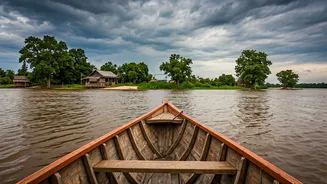
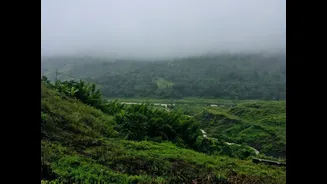
Roads may be submerged, turning pathways into canals navigable only by small, hand-paddled boats. Homes, built on stilts (a design called *chang ghar*), seem to float above the inundated rice paddies. The landscape is a watercolor painting of impossible greens, from the vibrant emerald of new rice shoots to the deep jade of the water-logged forests. It’s a world that has adapted not to fight the water, but to live in harmony with it.
A Different Kind of Safari
When you hear “Assam safari,” you probably picture a jeep bouncing through Kaziranga National Park in search of the one-horned rhinoceros. But during the monsoon, Kaziranga is largely flooded and closed to visitors. A monsoon safari on Majuli is a different beast entirely. It’s a quieter, more intimate exploration.
Instead of jeeps, you’ll travel by boat, gliding through channels that were dusty roads just months before. The “big game” isn’t a rhino, but the sight of a fishing eagle snatching its prey from the water’s surface or a herd of water buffalo submerged up to their nostrils, contentedly chewing in the deluge. It's a safari focused on the landscape itself—the dramatic, cloud-filled skies, the sound of rain drumming on a tin roof, and the quiet determination of the islanders going about their daily lives. You’re not just spotting wildlife; you’re observing a whole ecosystem in its most active and potent state.
The Soul of the Satras
Beyond its natural beauty, Majuli is the cultural heart of Assamese neo-Vaishnavism, a branch of Hinduism. The island is home to dozens of *Satras*, or monastic centers, that have been seats of learning and art for centuries. Even when surrounded by water, these institutions are buzzing with quiet activity. You can visit these serene compounds to see monks in training, witness traditional mask-making—an intricate art form used in religious performances—and feel a sense of peace that transcends the turbulent waters outside.
This spiritual anchor provides a powerful contrast to the raw, untamed nature of the monsoon. It’s a reminder that for centuries, people here have found ways to cultivate art, faith, and community amidst profound environmental uncertainty. A visit to a Satra isn’t just a cultural detour; it’s key to understanding the island’s soul.