


The Land of Gods, Minus the Crowds
In the world of travel, a 'quiet flex' is a destination that delivers an A-list experience without the fanfare, the frantic marketing, or the crush of tourists. It’s the place you talk about with a knowing smile, an insider’s secret for those who’ve graduated
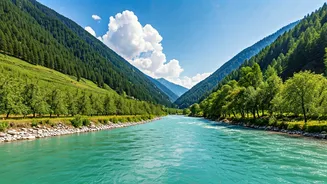
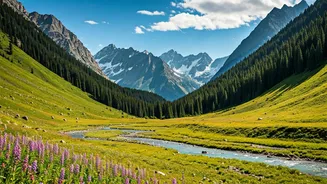
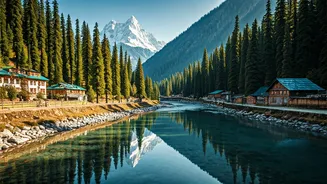
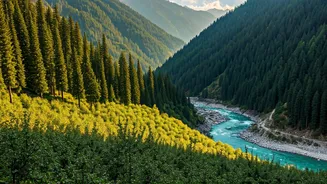
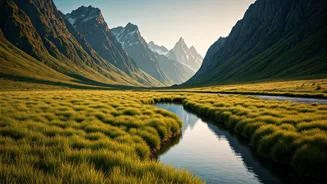
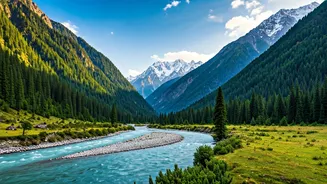
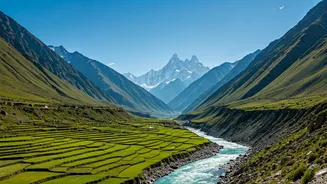
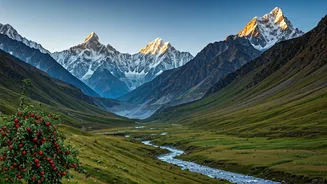
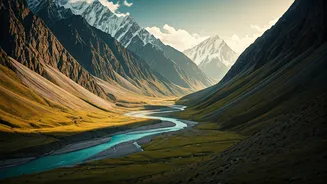
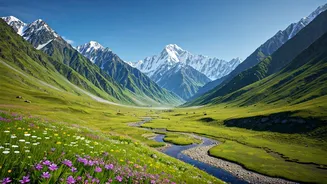
from the main attractions. Harsil Valley, nestled deep in the Garhwal region of India’s northern Uttarakhand state—known as ‘Devbhumi,’ or the Land of the Gods—is the physical embodiment of this idea. Located on the banks of the rushing Bhagirathi River at an altitude of about 9,000 feet, Harsil is a serene, almost meditative landscape of dense deodar forests, terraced fields, and snow-dusted peaks. While other Himalayan towns have become overwhelmed by commercialism, Harsil remains a pocket of profound tranquility, offering a more authentic connection to the mountains.
A Gateway to Sacred Ground
Part of Harsil’s charm is its proximity to something deeply significant. The valley is a key stopover on the route to Gangotri, one of the four sacred sites in the Char Dham pilgrimage, believed to be the source of the Ganges River. But unlike the bustling pilgrim centers, Harsil offers a contemplative pause. It’s the quiet antechamber to the holy sanctum. During the harsh winter months, when the temple at Gangotri becomes inaccessible due to snow, the idol of the goddess Ganga is brought down to the village of Mukhba, just a short distance from Harsil. This makes the valley a spiritual hub in its own right, but one that moves at a slower, more deliberate pace. This blend of accessibility and reverence gives Harsil a unique energy—spiritually charged but peaceful.
Scenery That Whispers, Not Shouts
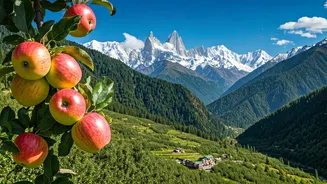
The beauty of Harsil isn’t about a single, dramatic viewpoint you have to elbow your way to. It’s ambient and all-encompassing. The valley is famous for its towering deodar pine trees, which create a fragrant, cathedral-like canopy over the landscape. The Bhagirathi River, a powerful tributary of the Ganges, runs through its heart, its turquoise waters providing a constant, soothing soundtrack. And then there are the apples. Harsil is renowned for its delicious, crisp apples, a legacy of Frederick ‘Pahari’ Wilson, a British army deserter who settled here in the 19th century and introduced apple cultivation. Strolling through these orchards, with the Himalayas as your backdrop, feels like stepping into a pastoral dream. It’s a subtle, layered beauty that unfolds the longer you stay.
For the Active and the Still
Harsil isn't a place for passive consumption; it invites participation. For trekkers, it’s a launchpad for incredible trails. A popular trek leads to Sat Tal, a group of seven interconnected high-altitude lakes that offer stunning alpine scenery. The trails wind through meadows and forests, far from any sign of civilization. You can explore quaint, isolated villages like Dharali and Bagori, where you can observe traditional Garhwali architecture and a way of life that has remained unchanged for centuries. For those seeking stillness, the options are even simpler: find a spot by the river, watch the clouds drift over the peaks, or simply sit in a local tea stall and absorb the unhurried rhythm of the valley. It’s a destination that rewards both the adventurer and the contemplative soul, asking only for your presence.