



What Are the Western Ghats?
Before you book a flight, let’s set the scene. The Western Ghats are a magnificent mountain range running parallel to the western coast of the Indian peninsula. Older than the Himalayas, this chain stretches over 1,000 miles through states like Maharashtra,
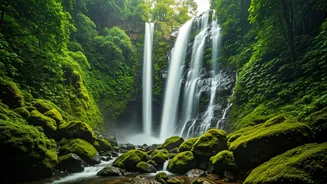
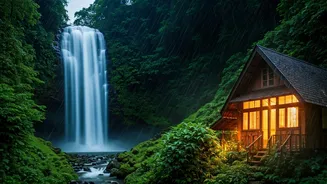
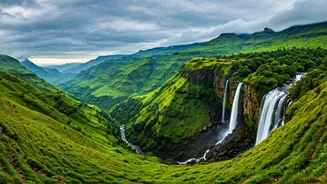
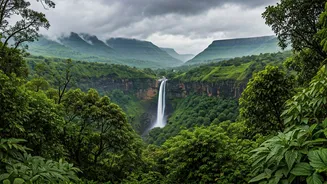
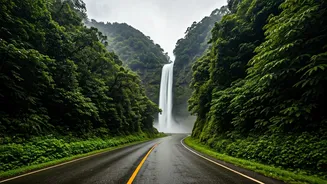
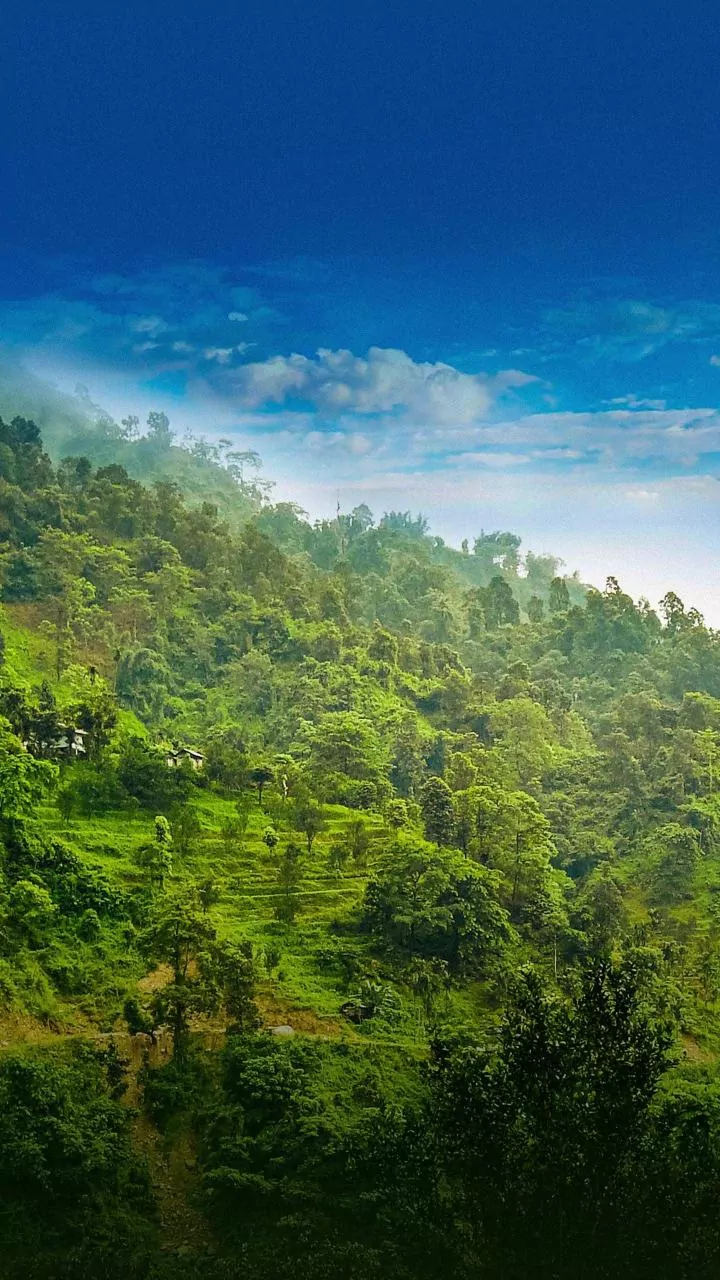
Goa, Karnataka, Kerala, and Tamil Nadu. Recognized as one of the world's eight 'hottest hotspots' of biological diversity, the region transforms dramatically when the summer monsoon arrives. From June to September, the parched, dusty landscape erupts into an impossible spectrum of greens. The air grows heavy with the scent of wet earth, and the soundtrack is a constant symphony of rain, rushing water, and vibrant wildlife. For road trippers, it’s not just a drive; it’s an immersion into a world coming alive.
The Coastal Classic: Mumbai to Goa
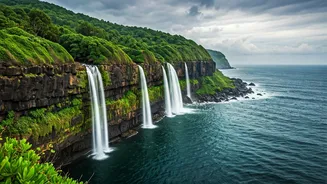
This is arguably the most iconic road trip in India, but tackling it during the monsoon is a different beast altogether. The nearly 400-mile journey along National Highway 66 becomes a gauntlet of breathtaking beauty. The route, which can be done in a long day but is best enjoyed over two or three, snakes through misty hills, verdant rice paddies, and tiny villages. The rain washes the dust from the air, revealing vibrant foliage and countless seasonal waterfalls that appear as if by magic. Stop at roadside stalls for 'chai' (spiced tea) and 'bhutta' (roasted corn on the cob)—essential monsoon fuel. While the beaches of Goa are quieter and the sea is too rough for swimming, the state’s lush interior, with its spice plantations and Portuguese-era architecture, is at its most romantic and atmospheric.
The Tea Trail: Through the Nilgiris to Ooty
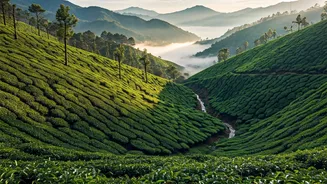
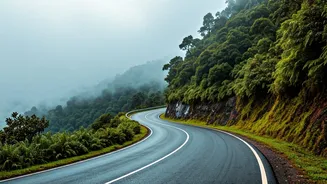
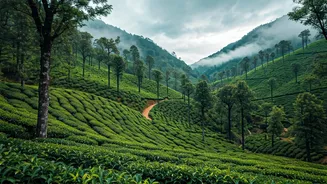
For those who prefer mountains over coastline, the drive into the Nilgiris, or 'Blue Mountains,' is pure magic. Starting from cities like Coimbatore or Mysore, the ascent towards Ooty is a series of hairpin bends that reveal increasingly dramatic vistas. During the monsoon, the tea plantations that blanket the hillsides take on a brilliant, almost fluorescent green. Low-hanging clouds drift through the valleys, often enveloping the road in a mystical fog. This is a journey to be savored slowly. Pull over to watch the rain sweep across a tea estate, visit a factory to see how the world-famous Nilgiri tea is processed, and embrace the cozy, cool climate of this beloved hill station. The famous Nilgiri Mountain Railway, a UNESCO site itself, offers another way to experience the region’s stunning monsoon-era beauty.
The Spice Route: Exploring Munnar, Kerala
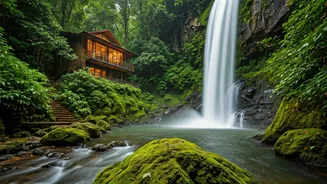
Kerala, known as 'God's Own Country,' is arguably the gateway to the southern Western Ghats, and the drive to the hill station of Munnar is a sensory overload in the best possible way. The roads are flanked by spice gardens fragrant with cardamom, pepper, and cloves, their aroma intensified by the rain. As you climb, the landscape unfolds into a panorama of sculpted tea gardens, misty peaks, and roaring waterfalls like Attukad and Cheeyappara, which are at their most powerful during the monsoon. The air is cool, clean, and utterly refreshing. While in Munnar, take short drives to explore sites like Top Station for its cloud-kissed views or Eravikulam National Park, home to the endangered Nilgiri Tahr, which seems to enjoy the rainy weather as much as visitors do.
A Note on Spontaneity
The spirit of an 'unplanned' monsoon trip is about embracing the unexpected, but a little preparation goes a long way. The monsoon brings with it the potential for heavy downpours and slick roads. Ensure your vehicle is in good condition, especially the tires and wipers. Pack waterproof gear and be prepared for occasional delays—a landslide might close a road, but it also might lead you to discover a new, equally beautiful detour. Check local advisories before you set out, but don't let the rain deter you. The challenges are part of the adventure, and the reward is witnessing one of the world's most incredible natural transformations up close.