




Beyond Five-Star Uniformity
For decades, the pinnacle of aspirational travel, both in India and abroad, was the gleaming, international five-star hotel chain. You knew what you were getting: crisp white linens, a reliable club sandwich, and a decor style best described as 'globally
inoffensive.' But for an increasingly influential segment of India’s travelers—especially upwardly mobile millennials and Gen Z with disposable income—that predictability has lost its luster. They are now actively seeking the opposite: accommodations that are unique, historically significant, and deeply embedded in the local culture. They don't just want a room; they want a narrative. This isn't about roughing it. It's about a new definition of luxury, where authenticity, not just opulence, is the most valuable commodity.
The Search for Authentic Experience
So, what’s driving this shift from tourist to story-seeker? Several factors are converging. First, there’s the sheer exposure. Increased international travel and the endless scroll of Instagram have created a sophisticated consumer who has seen the world’s generic offerings and now craves something more. A stay in a restored 18th-century *haveli* (a traditional mansion) in Rajasthan doesn't just look better on a social media feed than a standard-issue suite; it feels more meaningful. Second, it's a reflection of a maturing travel market. As travelers gain experience, their priorities evolve from simply 'seeing the sights' to 'experiencing the place.' The accommodation becomes an integral part of that experience, not just a base for it. They want to wake up in a room where a historical figure once lived or in a building that embodies the architectural soul of the region. It's a quest for a deeper connection that a sterile, corporate environment simply cannot provide.
What 'Story' Looks and Feels Like
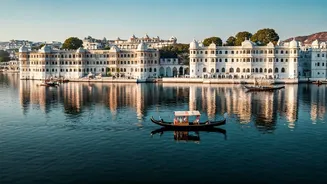
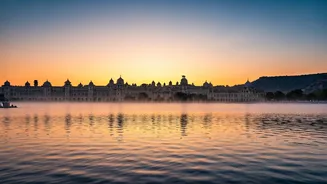
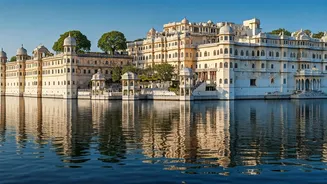
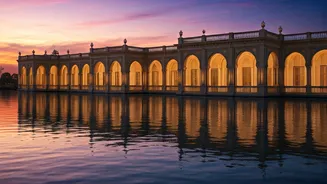
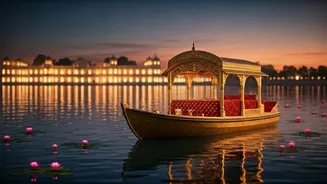
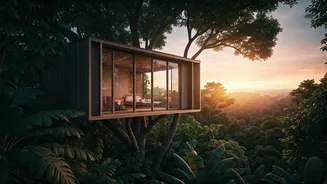
The demand for 'story' manifests in various forms. The most prominent are India's magnificent heritage and palace hotels. These are often former royal residences, forts, or colonial bungalows that have been meticulously converted into lodging. Staying at a place like the Taj Lake Palace in Udaipur or a Neemrana 'non-hotel' property isn't just a booking; it's stepping into a living museum. Guests can walk the same halls as maharajas, dine in courtyards that have witnessed centuries of history, and sleep in rooms filled with antique furniture and local textiles. But the trend extends beyond royal grandeur. It includes boutique eco-lodges with a strong sustainability mission, family-run guesthouses in the Himalayan foothills that offer a taste of local life, and even architect-designed Airbnbs in urban centers that tell a story through their unique design philosophy.
The Industry Takes Notice
The hospitality industry, both large and small, is scrambling to adapt. Marketing language has shifted dramatically. It’s no longer just about thread counts and infinity pools; it's about 'legacy,' 'heritage,' and 'curated experiences.' Major hotel groups are now investing in restoring historic properties or creating new brands that emphasize boutique character and local integration. Independent hoteliers are finding they can compete with global giants by leaning into what makes them unique—be it their family's history with the property or their deep connections with local artisans. This shift is creating a more diverse and interesting travel landscape, where the story behind the front desk is just as important as the service provided. It proves that in an age of mass production, a genuine narrative is the ultimate luxury.