


Beyond Rice and Wheat
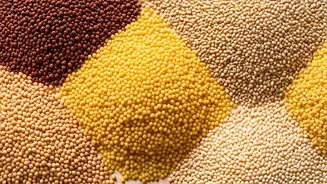
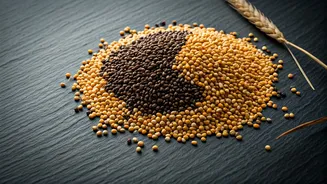
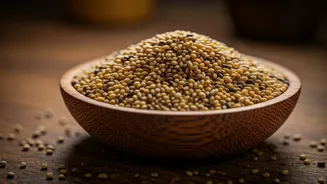
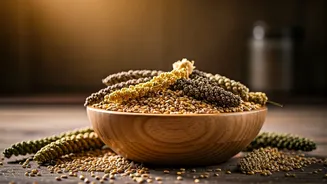
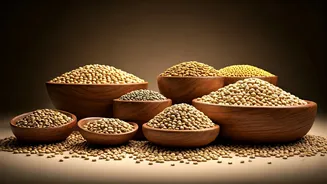
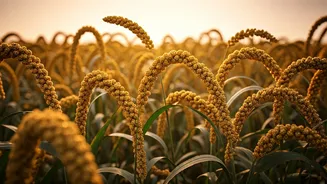
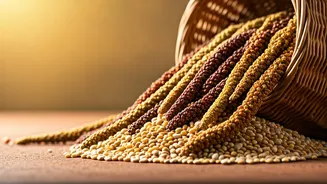
The new heroes of the Indian pantry are a diverse group of cereals collectively known as millets. If you’ve browsed a U.S. health food store, you might recognize the name. But in India, these aren’t a niche novelty; they’re a rediscovered staple. We’re
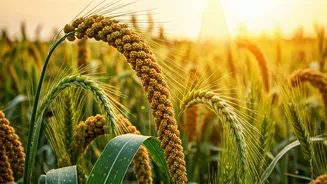
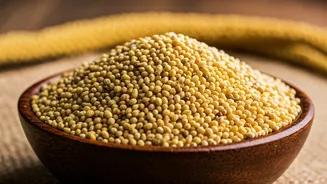
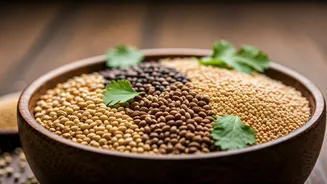
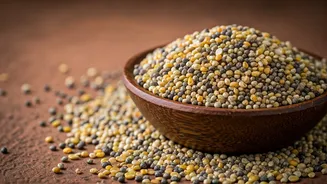
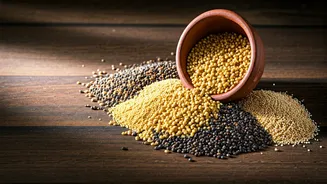
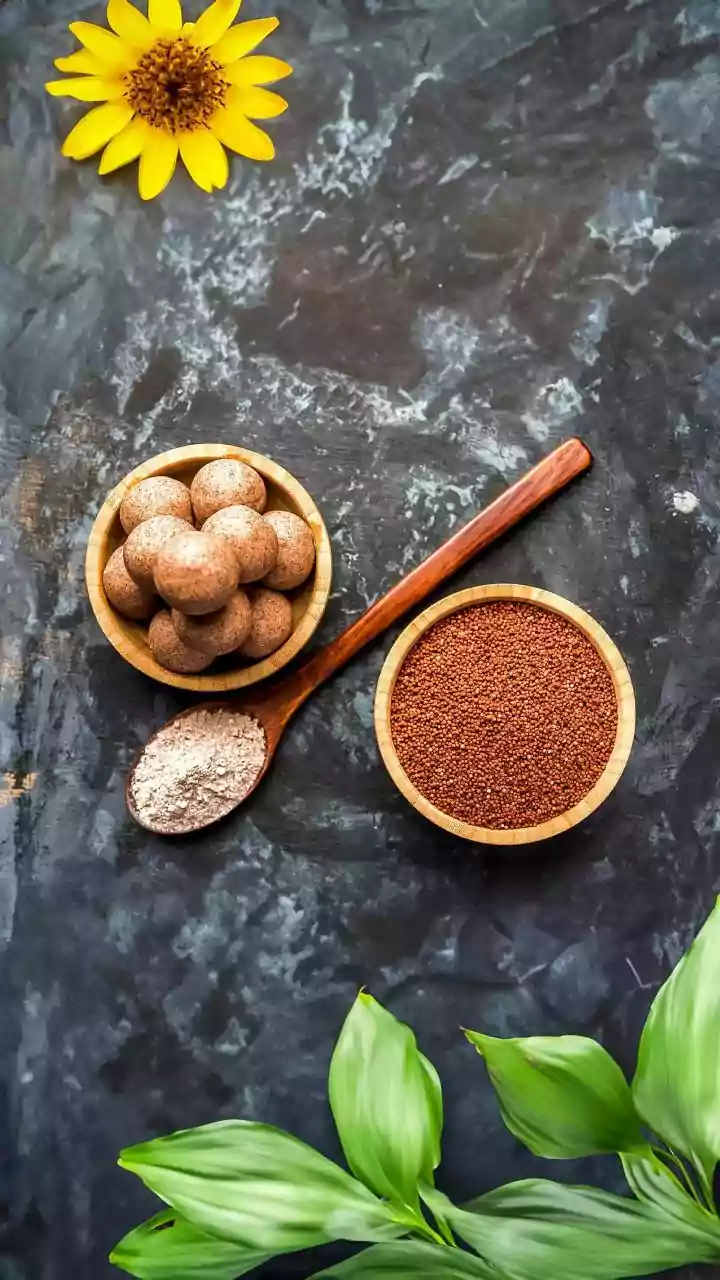
talking about grains like sorghum (jowar), pearl millet (bajra), and finger millet (ragi), alongside others like foxtail millet and amaranth. For generations, these were peasant food, pushed aside by the more commercially successful and government-subsidized wheat and rice. Today, they are being rebranded as “nutri-cereals” or “superfoods.” They are typically gluten-free, high in protein and fiber, and have a lower glycemic index than refined rice or wheat, making them a powerful tool against lifestyle diseases like diabetes, which are on the rise in urban India. This isn't about simply swapping white bread for wheat; it's a fundamental shift in the primary source of carbohydrates.
How History Sidelined a Superfood
To understand why this is a comeback story, you have to go back to the 1960s. India’s Green Revolution was a public policy miracle, introducing high-yield varieties of wheat and rice that staved off famine and made the country self-sufficient in food. But it had an unintended consequence: it created a monoculture. Government policies, supply chains, and consumer tastes all began to revolve around these two grains. Millets, which had been the backbone of regional diets for millennia, were relegated to marginal, arid lands and the plates of the rural poor. They were seen as old-fashioned and coarse compared to the soft, pliable chapati made from wheat or the polished appeal of white rice. The grains that had sustained civilizations for centuries were suddenly out of style, victims of their own country's progress.
The Modern, Health-Fueled Revival
So what changed? A new Indian consumer emerged. Urban, educated, and hyper-aware of global wellness trends, this demographic began questioning the carb-heavy diets of their parents. Armed with information from the internet and alarmed by rising rates of obesity and diabetes, they started seeking healthier alternatives. And they found them in their own backyard. Entrepreneurs and startups saw the opportunity, launching direct-to-consumer brands that package these ancient grains for the modern kitchen. Suddenly, you can buy ragi-based breakfast flakes, jowar pasta, millet cookies, and ready-to-make dosa batters that blend quinoa with traditional lentils. They are marketing not just a product, but an identity: one that is simultaneously modern, health-conscious, and authentically Indian. This savvy branding has transformed millets from a symbol of poverty into an aspirational lifestyle choice.
Good for the Body, Better for the Planet
This movement is bigger than just individual health. It carries enormous potential for India’s food security and environmental sustainability. Millets are what experts call a “climate-smart” crop. They are incredibly hardy, require up to 70% less water than rice, can tolerate extreme heat and drought, and grow in poor soil with minimal need for fertilizers or pesticides. In a country facing water scarcity and the escalating effects of climate change, shifting agricultural focus from water-guzzling rice paddies to diverse millet fields is a strategic imperative. Recognizing this, the Indian government has become a major champion of the cause, successfully lobbying the United Nations to declare 2023 the “International Year of Millets.” The push is about creating a win-win: better nutrition for the population, higher and more stable incomes for farmers in dry regions, and a more resilient food system for the nation.