




The Supermarket as a Stage
Scroll through travel-focused TikTok or Instagram Reels, and you’ll see it sandwiched between clips of the Eiffel Tower and Tuscan vineyards: a first-person tour of a Carrefour in France, a 7-Eleven in Japan, or a Mercadona in Spain. Young travelers are
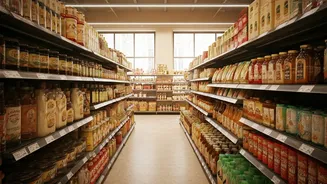
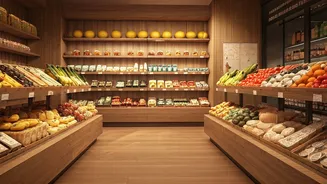
filming their “grocery hauls,” narrating their finds with the breathless excitement once reserved for spotting a celebrity. The camera pans lovingly over aisles of unfamiliar chip flavors, colorful yogurt pots, and oddly shaped pasta. The lighting is fluorescent, the setting is mundane, but the content is pure gold. These videos aren't just tutorials on where to buy milk; they are mini-documentaries about cultural discovery, presented with an influencer’s flair. The foreign supermarket has become a content studio, a place to perform curiosity and share a uniquely relatable slice of life abroad.
A Quest for Authenticity
So, why the sudden obsession with supermarket aisles? For one, it’s a powerful antidote to the curated perfection of traditional travel content. In an age where every landmark has been photographed from every conceivable angle, the grocery store offers something refreshingly real. It’s an unfiltered window into how locals actually live. What do they eat for a quick breakfast? What are their go-to snacks? What spices are staples in their kitchens? These aren't questions you can answer at a tourist-trap restaurant. Wandering the aisles provides a low-cost, high-reward cultural immersion. It’s a quiet rebellion against the idea that travel has to be a highlight reel of expensive, pre-packaged experiences. Instead, it’s about finding the texture of daily life, one unfamiliar brand of olive oil at a time.
The Thrill of the Mundane Hunt
There’s also a simple, undeniable joy in the discovery process. For an American abroad, a European grocery store is a treasure trove of novelty. The sheer variety of cheeses, the different shapes of bread, the futuristic-looking egg cartons—it’s all part of the adventure. This “mundane tourism” taps into a basic human love for hunting and gathering. Each unfamiliar item is a small prize, a story to tell. Viewers get to share in the delight of a traveler discovering paprika-flavored Pringles in Hungary or a wall of cured meats in Italy. This experience is highly visual and easily shareable, making it perfect for short-form video. The stakes are low, the potential for surprise is high, and the content practically makes itself. It reframes a chore as an exploration.
The Smart, Budget-Friendly Flex
Let’s not forget the economic angle. Gen Z and millennial travelers are famously budget-conscious. A multi-course meal at a renowned restaurant can drain a day’s budget, but a grocery run offers a taste of local flavor for a fraction of the price. Assembling a picnic of bread, cheese, and fruit from a local market isn’t just a cost-saving measure; it’s now a chic, aspirational activity. Posting your haul online is a subtle flex—it says, “I’m not just a tourist; I’m savvy enough to live like a local.” It demonstrates resourcefulness and a deeper engagement with the destination. In this context, the grocery store becomes more than a place to buy food; it's a key part of a smarter, more sustainable travel strategy that prioritizes experience over expense.