


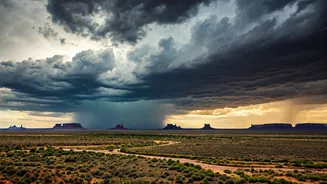
Shift Your Schedule to Match the Storms
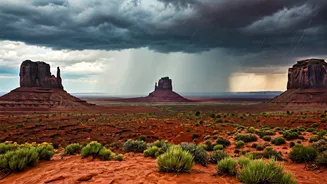
The classic image of a vacation in Arizona or New Mexico often involves long, sun-drenched afternoon hikes. During monsoon season, that’s a recipe for disaster. The weather pattern is remarkably consistent: clear, relatively cool mornings give way to
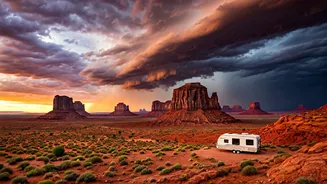
dramatic, cloud-filled afternoons, with thunderstorms typically building between 1 p.m. and 4 p.m. A tactical traveler adapts. This means flipping your itinerary on its head. Plan your most ambitious outdoor activities—like hiking in Zion, exploring Saguaro National Park, or visiting the Grand Canyon’s rim—for the early morning. Be off the trail and heading for shelter or a lower-elevation activity by noon. Use your afternoons for things that are immune to weather: visiting museums in Santa Fe, exploring galleries in Scottsdale, or enjoying a long, leisurely lunch. Treating the afternoon storm as a predictable appointment you have to plan around is the single most important shift you can make.
Understand the Anatomy of a Flash Flood
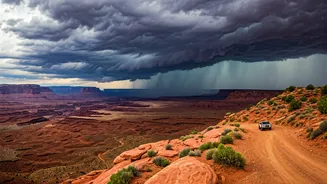
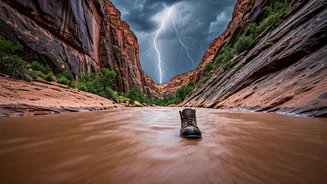
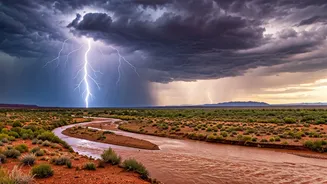
The most significant danger during the monsoon isn't getting wet; it's the flash flood. These are not gentle rises in water levels. They are powerful, fast-moving walls of water, debris, and mud that can appear with terrifying speed in dry riverbeds, known as arroyos or washes. The most critical thing to understand is that the storm causing the flood could be miles away, completely out of your sight in the mountains. You might be standing under a blue sky when a flood arrives. The tactical choice here is avoidance. Never, ever camp in a dry wash. Before you drive, check your route for low-water crossings, and have an alternate plan. If you see a road sign warning of potential flooding, take it seriously. And if you encounter a flooded roadway, the rule is absolute: Turn Around, Don't Drown. Your car is not a boat, and it only takes a few inches of moving water to sweep a vehicle away.
Pack for Four Seasons in One Day
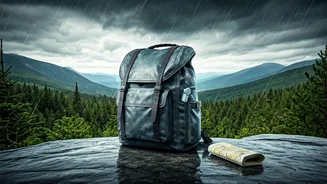
Packing for the desert usually means shorts, T-shirts, and sunscreen. For a monsoon-season trip, your luggage needs to be more strategic. While you’ll still need sun protection for the mornings, you also need reliable rain gear. A waterproof jacket is non-negotiable, not just for rain but also for the significant temperature drops that accompany a storm. A 100-degree day can plummet to 70 degrees in a matter of minutes. Footwear is also key. While sandals are great for the hotel pool, they are a liability on trails that can become slick and muddy. Opt for waterproof hiking shoes or boots with good grip. It’s also wise to keep an emergency kit in your car with extra water, snacks, and a blanket. A flash flood or mudslide can temporarily close roads, and being prepared turns a potential crisis into a mere inconvenience.
Watch the Sky, Not Just Your Screen
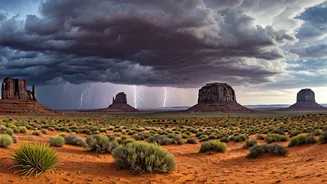
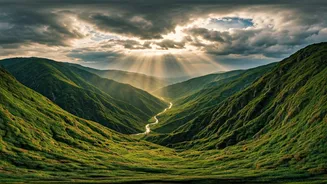
Weather apps are useful, but in the fast-changing conditions of the monsoon, they can lag behind reality. The best tool you have is situational awareness. Learn to read the sky. Watch for the buildup of large, puffy cumulus clouds that darken and grow vertically into thunderheads. If you hear thunder, you are close enough to be struck by lightning, which is a major hazard in the exposed landscapes of the Southwest. Seek shelter immediately in a building or a hard-topped vehicle. Another phenomenon to watch for is the haboob, or dust storm. These massive walls of dust are kicked up by thunderstorm outflows and can reduce visibility to zero in an instant. If you see one approaching while driving, safely pull off the road as far as possible, turn off your lights, and keep your foot off the brake pedal so others don't mistake your car for the one to follow.