





The Search for Standing Water
Mosquitoes are not strong flyers, which means the one biting you likely grew up nearby. Very nearby. They don't need a pond to reproduce; a bottle cap full of water is a five-star nursery. Your primary mission is to find and eliminate every pocket of standing
water, no matter how small. This is the single most effective thing you can do. The key is to think like a mosquito: where can water collect for more than a few days? An adult mosquito can emerge from an egg in as little as a week in warm weather, so weekly diligence is crucial once the season starts. Your pre-season check is about setting up a system that makes this weekly task easier.
Audit Your Pots and Saucers
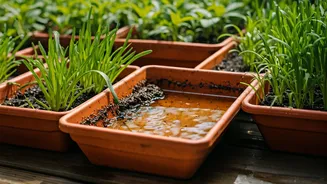
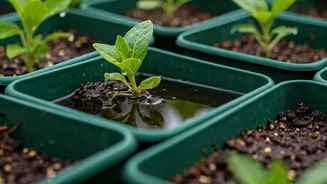
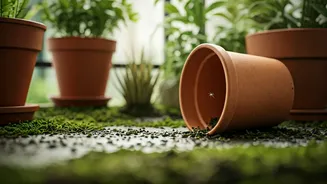
The number one culprit on a balcony is the drainage saucer under your plant pots. Every time you water, excess liquid pools there, creating an ideal breeding ground that’s often out of sight. Your mission is to make these saucers inhospitable. First, get in the habit of emptying all saucers within an hour of watering. If that’s not feasible, consider filling the saucers with sand or small gravel. This allows water to collect for the plant but prevents mosquitoes from laying eggs on the water’s surface. Also, check your pots themselves. Are there any decorative pots (cachepots) that don't have drainage holes? Rainwater can fill them up, turning a beautiful piece of decor into a mosquito factory. Drill a hole or keep it somewhere it can’t get wet.
Inspect Beyond the Plants
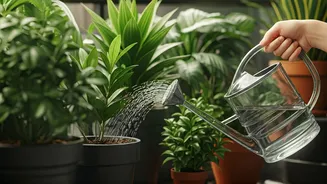
Mosquitoes aren’t picky; they’ll use anything that holds water. Look beyond your planters to other common balcony items. Is there a forgotten watering can sitting out? An empty bucket? A grill cover with folds that collect rainwater? What about the trays under your balcony furniture legs or a spare tarp folded in a corner? Even clogged gutters on the edge of your balcony overhang can become a problem. Take a few minutes to walk your space and look at it with fresh eyes. Turn over empty containers, ensure covers are taut so water runs off, and store items that can collect water in a dry place. It’s a simple tidying exercise that has a massive payoff.
Bring in Proactive Defenses
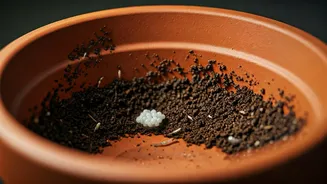
Sometimes, eliminating water isn't an option. If you have a self-watering planter with a reservoir or a small decorative water feature, you need a different strategy. This is where *Bacillus thuringiensis israelensis*, or Bti, becomes your best friend. Bti is a naturally occurring soil bacterium that specifically targets and kills mosquito larvae. It is not harmful to humans, pets, birds, or pollinators. You can buy it as small, donut-shaped “dunks” or as granules (“bits”). A small piece of a Bti dunk dropped into a water reservoir or birdbath will prevent larvae from developing for about 30 days. For plant saucers you can’t easily empty, sprinkling in a few Bti bits is a fantastic and safe solution.
A Realistic Take on 'Repellent' Plants
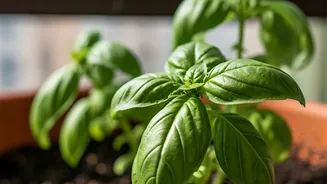
You’ve probably seen lists of plants that “repel mosquitoes.” It’s a lovely idea, but it needs a dose of reality. Plants like citronella grass, lavender, marigolds, and rosemary contain oils that mosquitoes dislike, but simply having the plant on your balcony won't create a magical, mosquito-free force field. The repellent effect comes from crushing the leaves and rubbing the oils on your skin or from the smoke when they are burned. However, these plants can still be a valuable part of your defense. They are beautiful, often fragrant, and their presence can contribute to a less-inviting environment for pests. Grouping several of them together, especially near your seating area where you might brush against them, is a good complementary strategy—just don’t expect them to do all the work.