

So, What Exactly Is a 'Vrat'?
In Hinduism, a 'vrat' is a religious vow or period of fasting undertaken to show devotion, practice self-control, or mark a sacred occasion. But don't picture simple starvation. While some fasts are extremely strict, most involve abstaining from certain
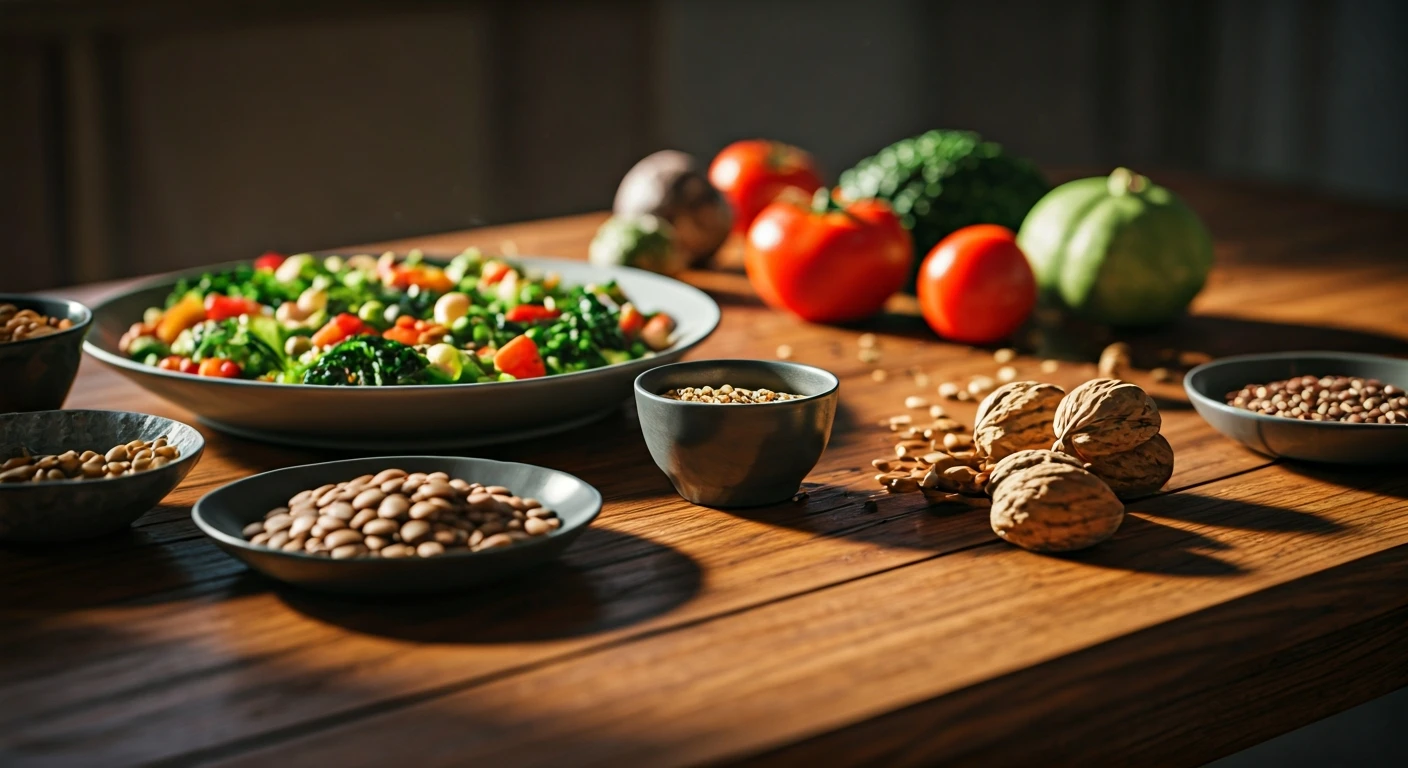
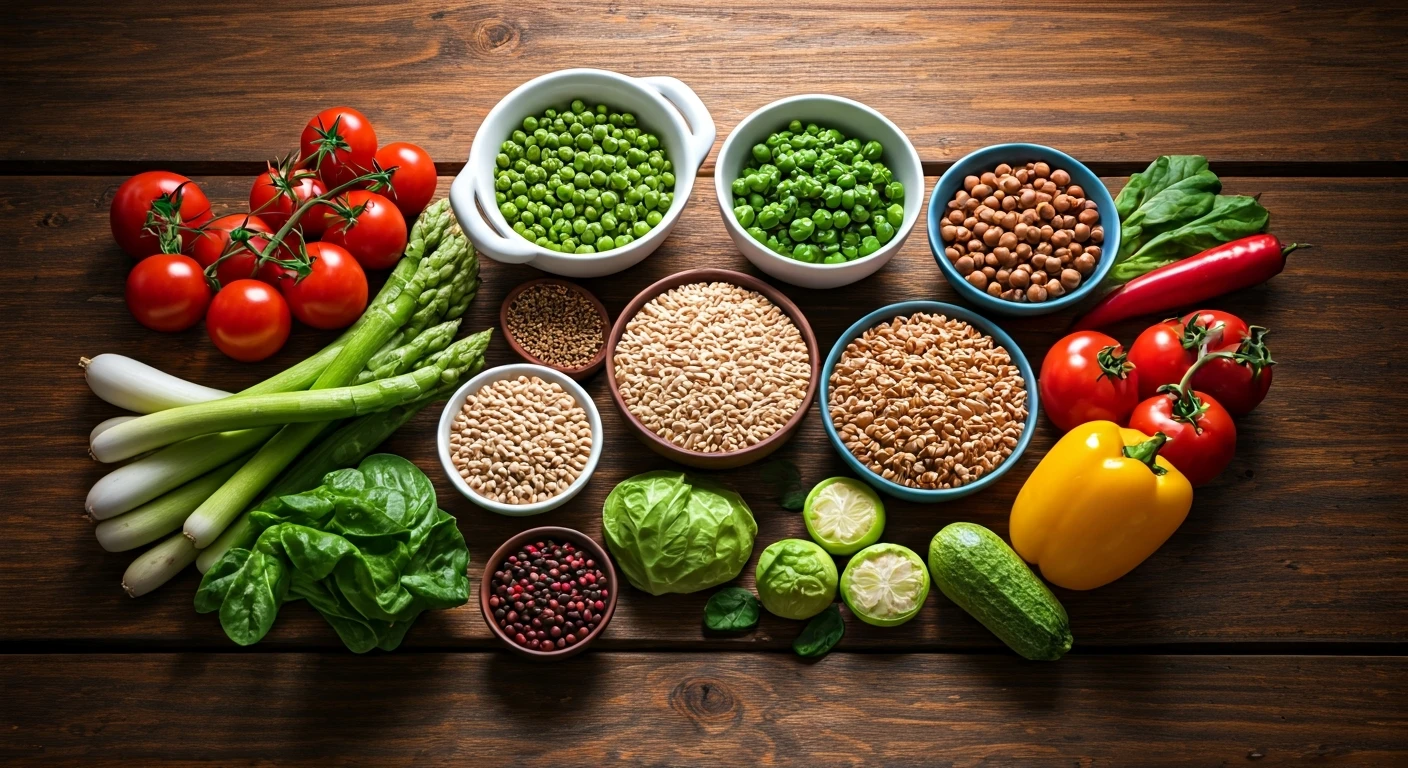
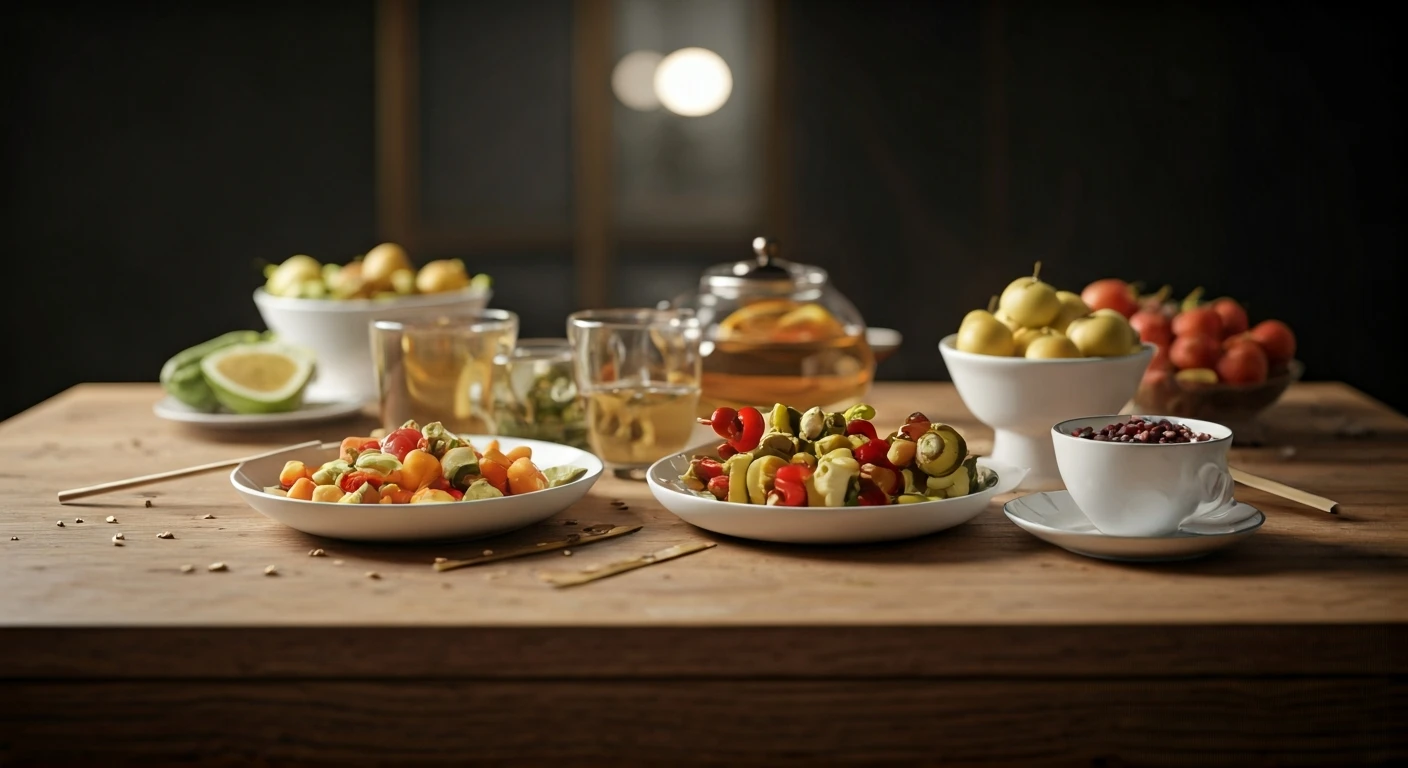
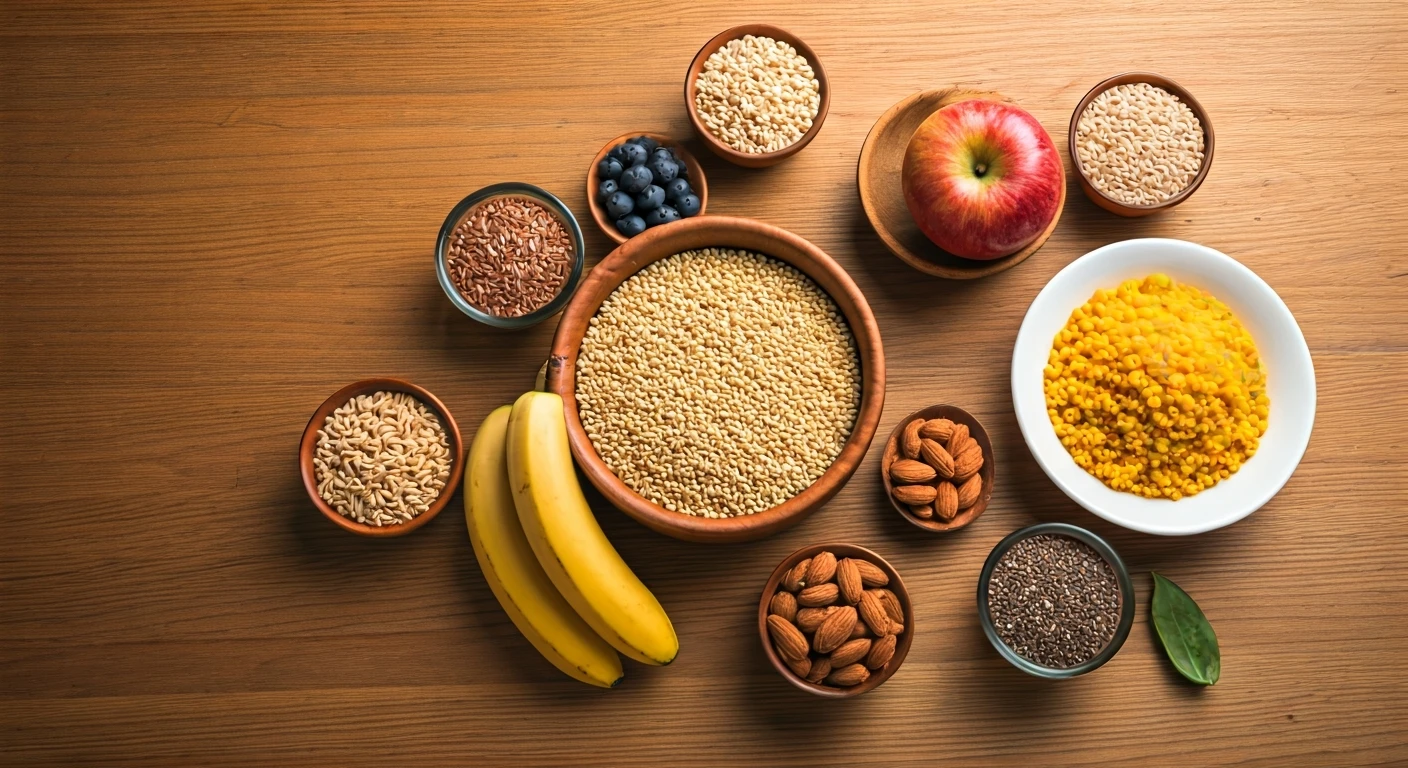
foods—like grains, lentils, onions, and garlic—while embracing a specific category of permissible ingredients known as 'phalahar.' Think of it less as deprivation and more as a culinary challenge: how do you create satisfying, flavorful meals using a limited, spiritually clean pantry? The result is a unique and often surprisingly rich cuisine that’s light on the digestive system but high in energy and taste.
The June Connection: Nirjala Ekadashi
The 'June spotlight' often falls on one of the most significant and rigorous fasts of the year: Nirjala Ekadashi. 'Nirjala' translates to 'without water,' and observers traditionally abstain from both food and water for over 24 hours. This fast, dedicated to Lord Vishnu, is believed to bestow immense spiritual merit. Because of its intensity, the days before and after Nirjala Ekadashi are crucial for nutrition. People prepare by eating hydrating, energy-rich vrat-friendly foods and recover with cooling, gentle dishes and drinks. This observance, which typically falls in late May or June, brings the entire ecosystem of vrat foods into sharp focus for millions of Hindus across the globe.
Savory Stars: Sabudana and Friends
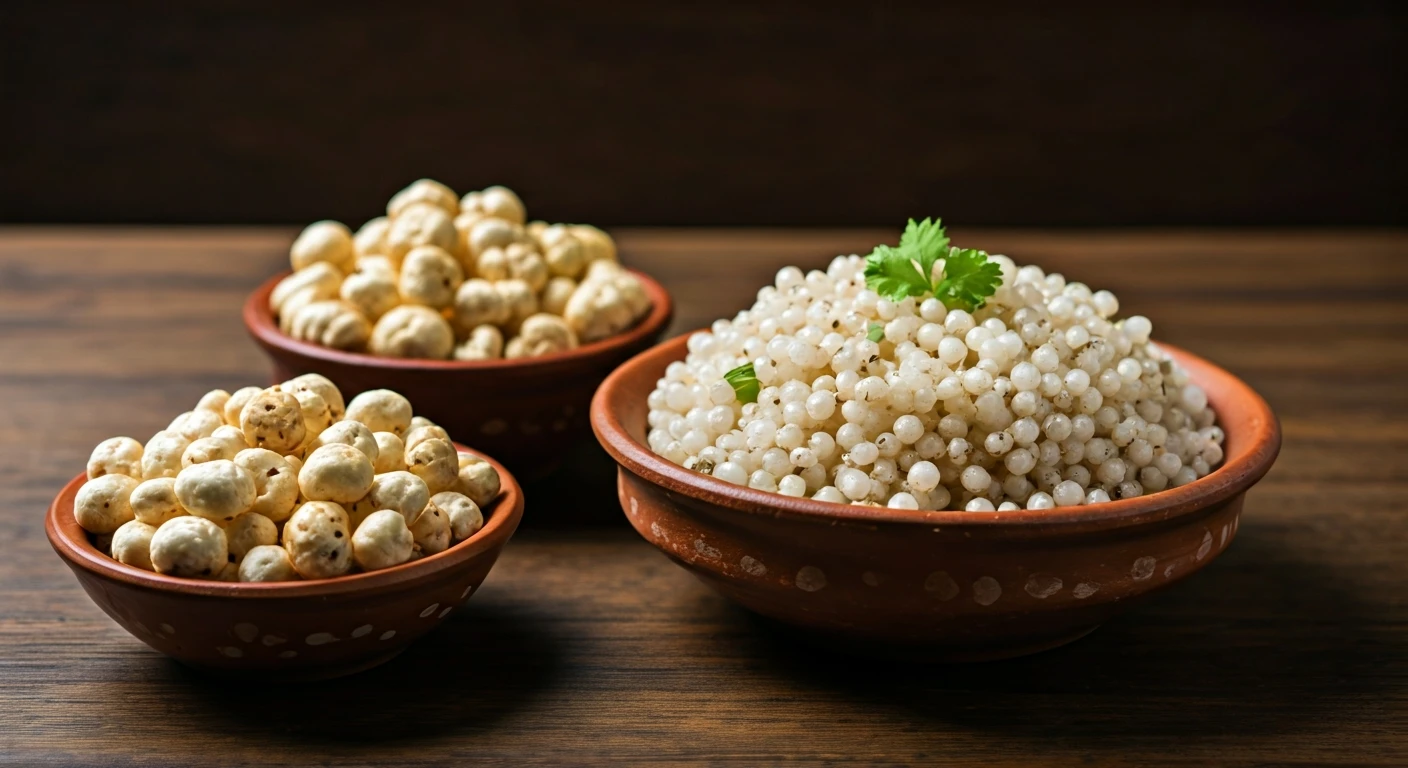
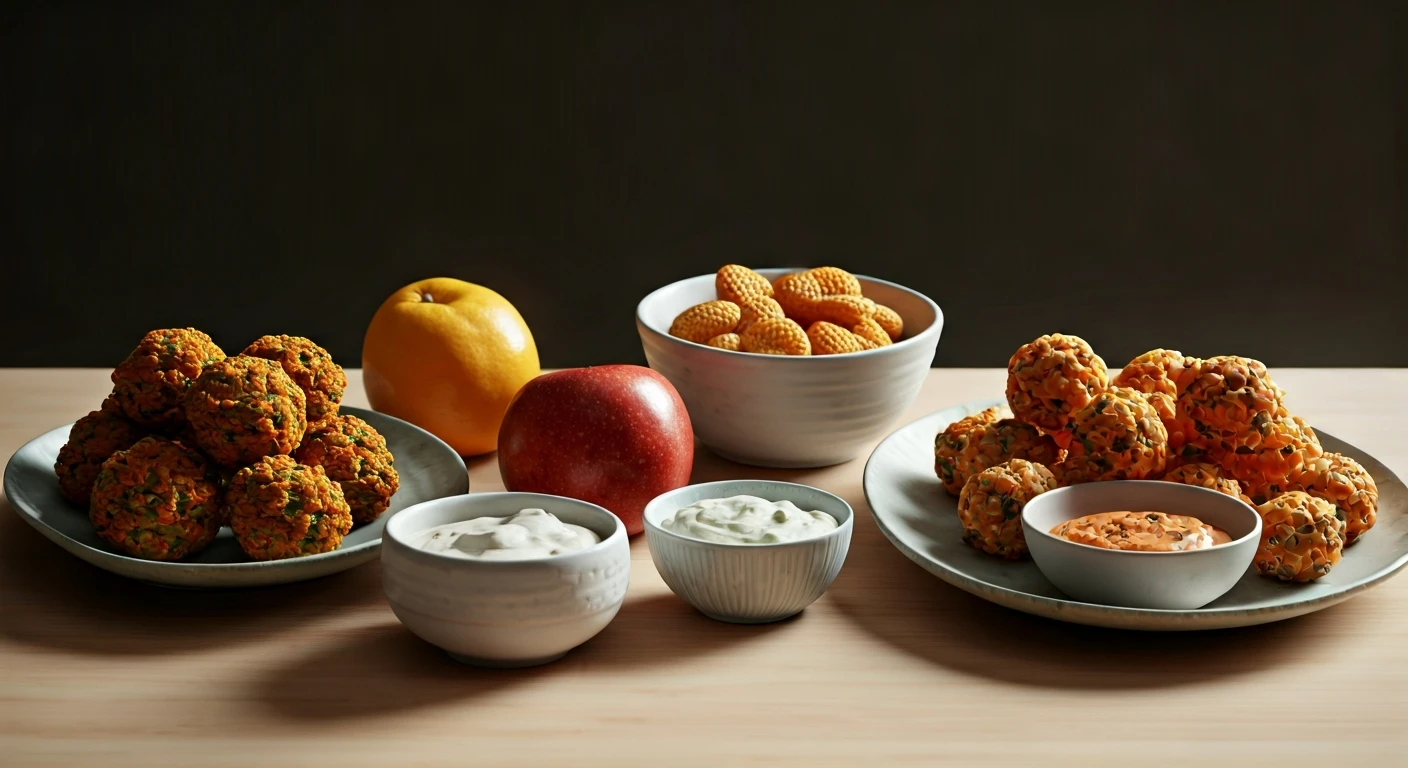
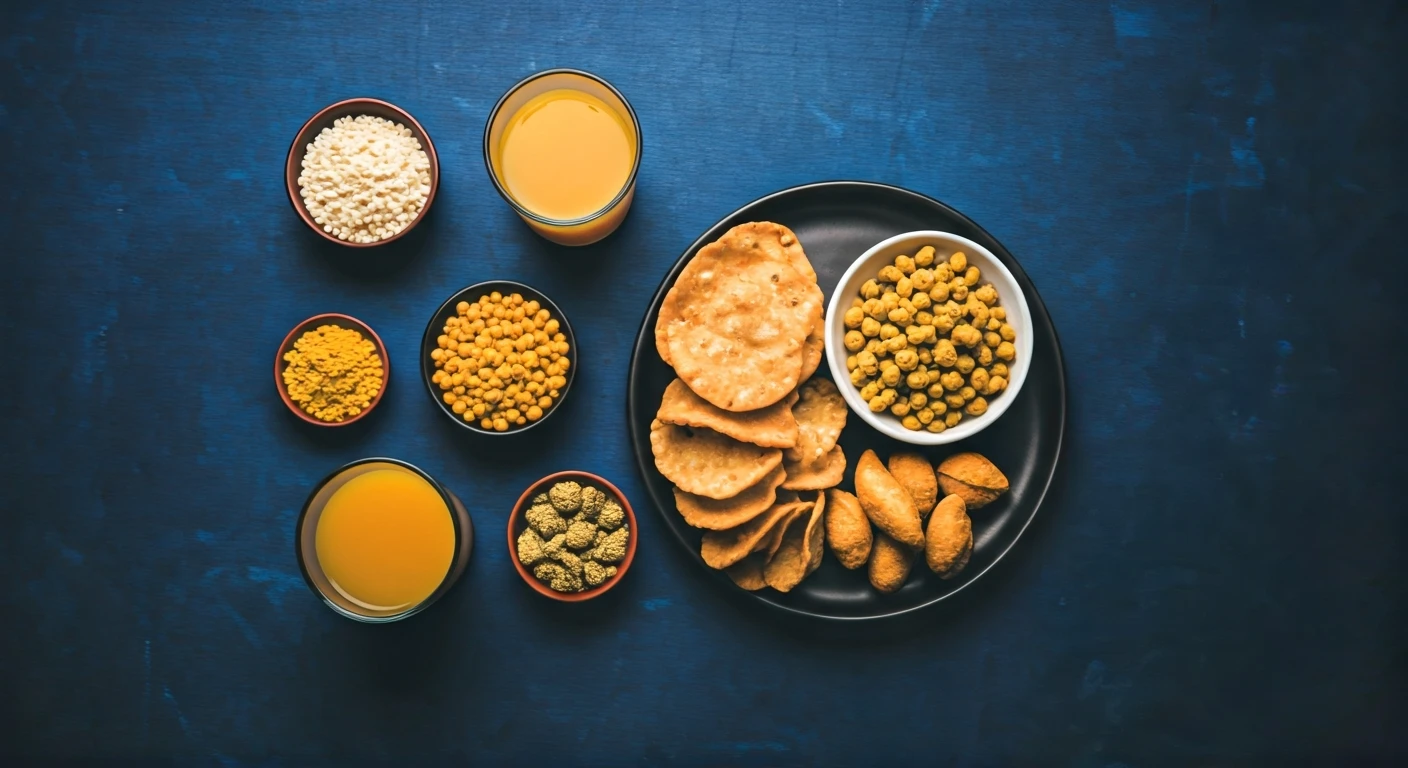
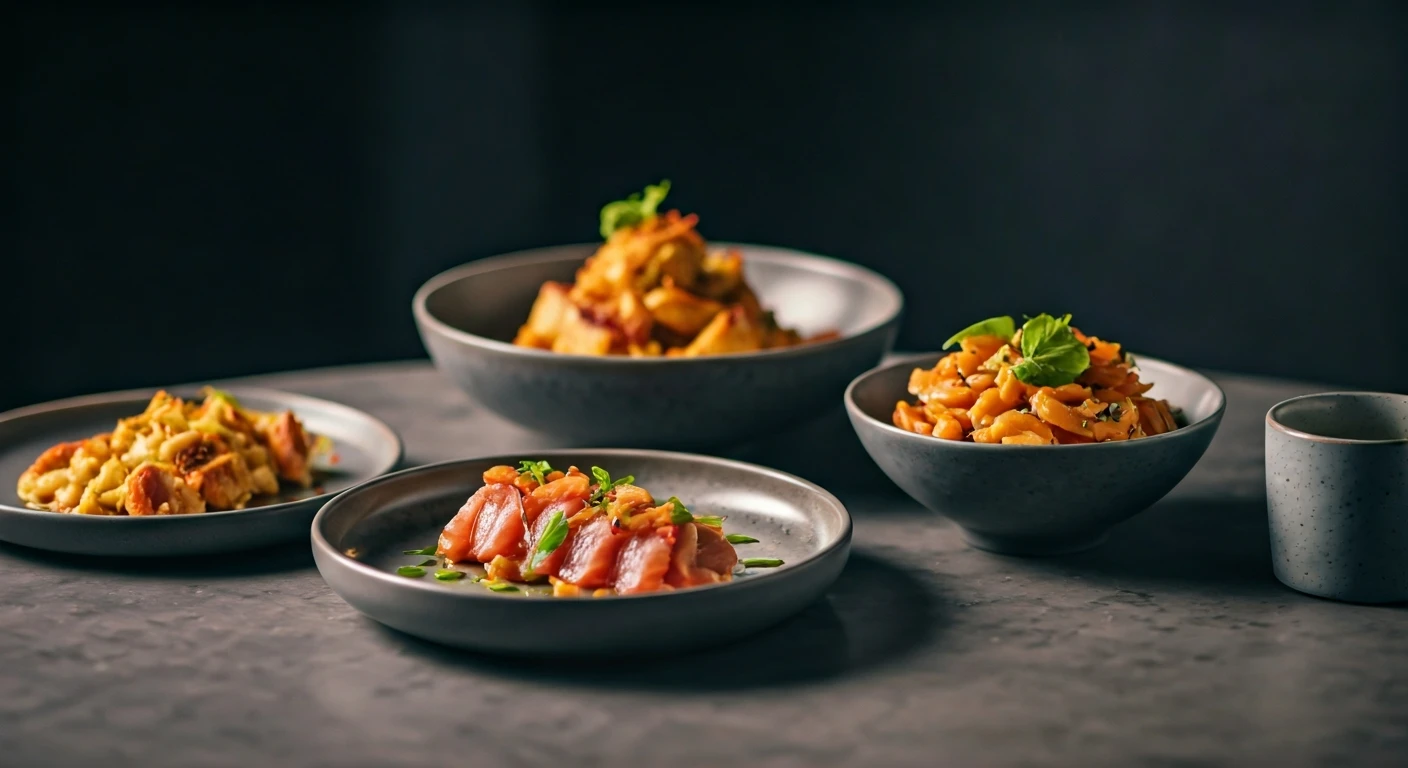
If there's one superstar of the vrat kitchen, it's sabudana (tapioca pearls). When cooked, these little white spheres turn translucent and delightfully chewy. The most popular dish is Sabudana Khichdi, a savory pilaf where the pearls are sautéed with boiled potatoes, roasted peanuts for crunch, and a simple seasoning of green chilies, lemon juice, and rock salt (sendha namak), the only salt permitted during many fasts. Another favorite is the Sabudana Vada, a deep-fried patty of mashed potato and sabudana that’s crispy on the outside and soft within. Other savory options often utilize 'vrat flours' like water chestnut flour (singhara atta) or buckwheat flour (kuttu atta) to make crispy pakoras (fritters) or flatbreads.
Sweet Satisfaction: The 'Good' Carbs
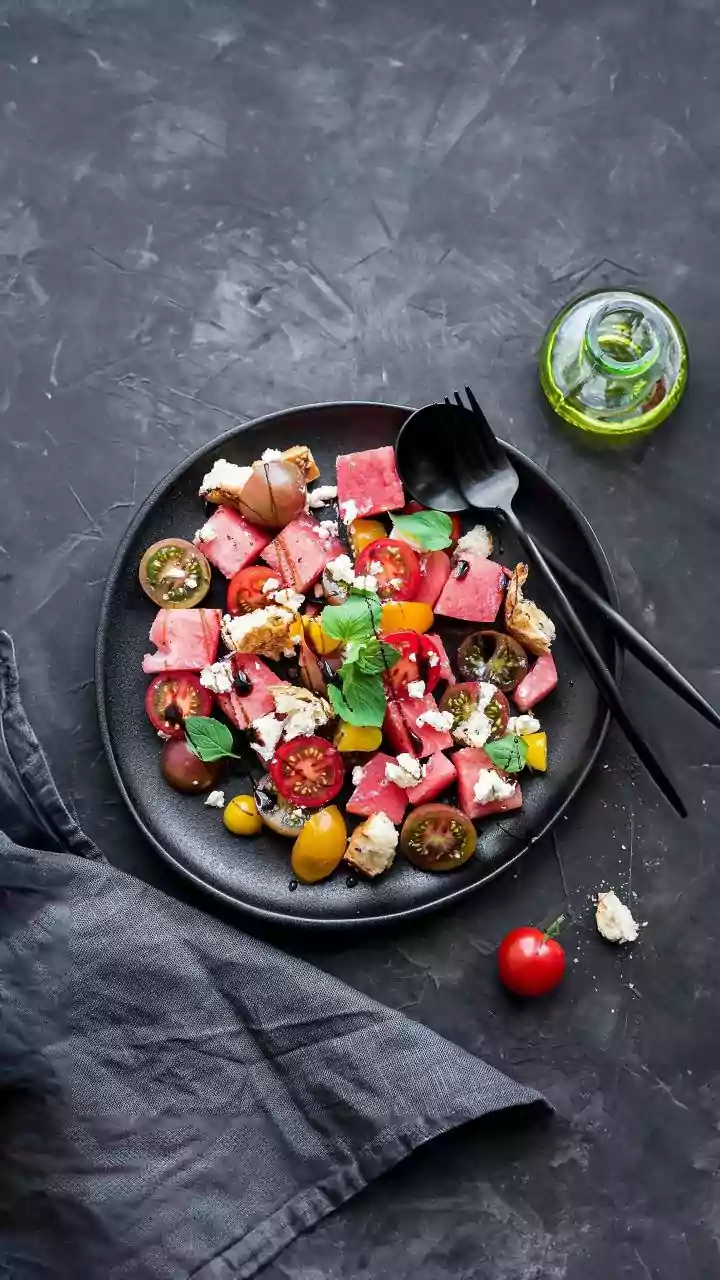
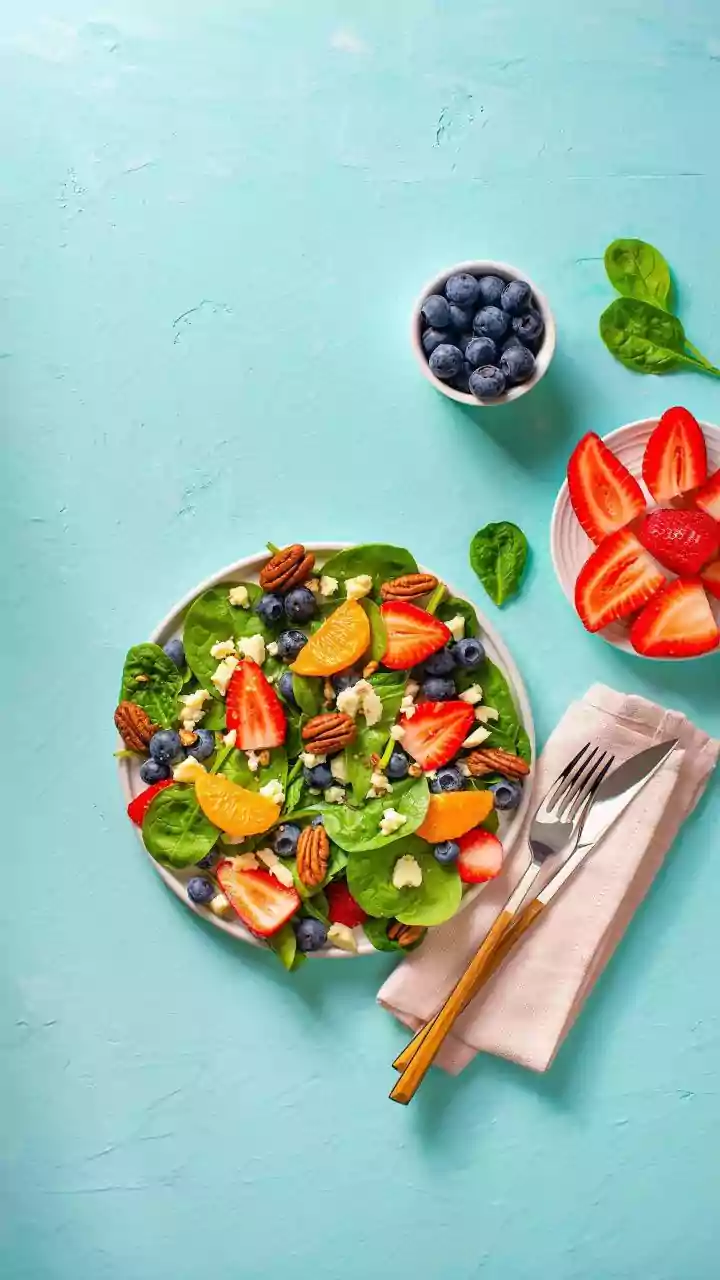
Fasting requires energy, and vrat-friendly sweets are designed to provide it in a wholesome way. One of the most beloved ingredients is makhana, or puffed lotus seeds. These light, airy morsels can be roasted and lightly salted for a crunchy snack or used to make Makhana Kheer, a creamy pudding where the seeds are simmered in sweetened milk with cardamom and nuts. It’s a comforting, nutrient-dense dessert that feels indulgent without being heavy. Other popular sweets include simple fruit salads, sweet potato halwa (a rich pudding made from grated sweet potato, ghee, sugar, and nuts), and treats made from coconut and jaggery.
Hydration Heroes: Essential Vrat Drinks
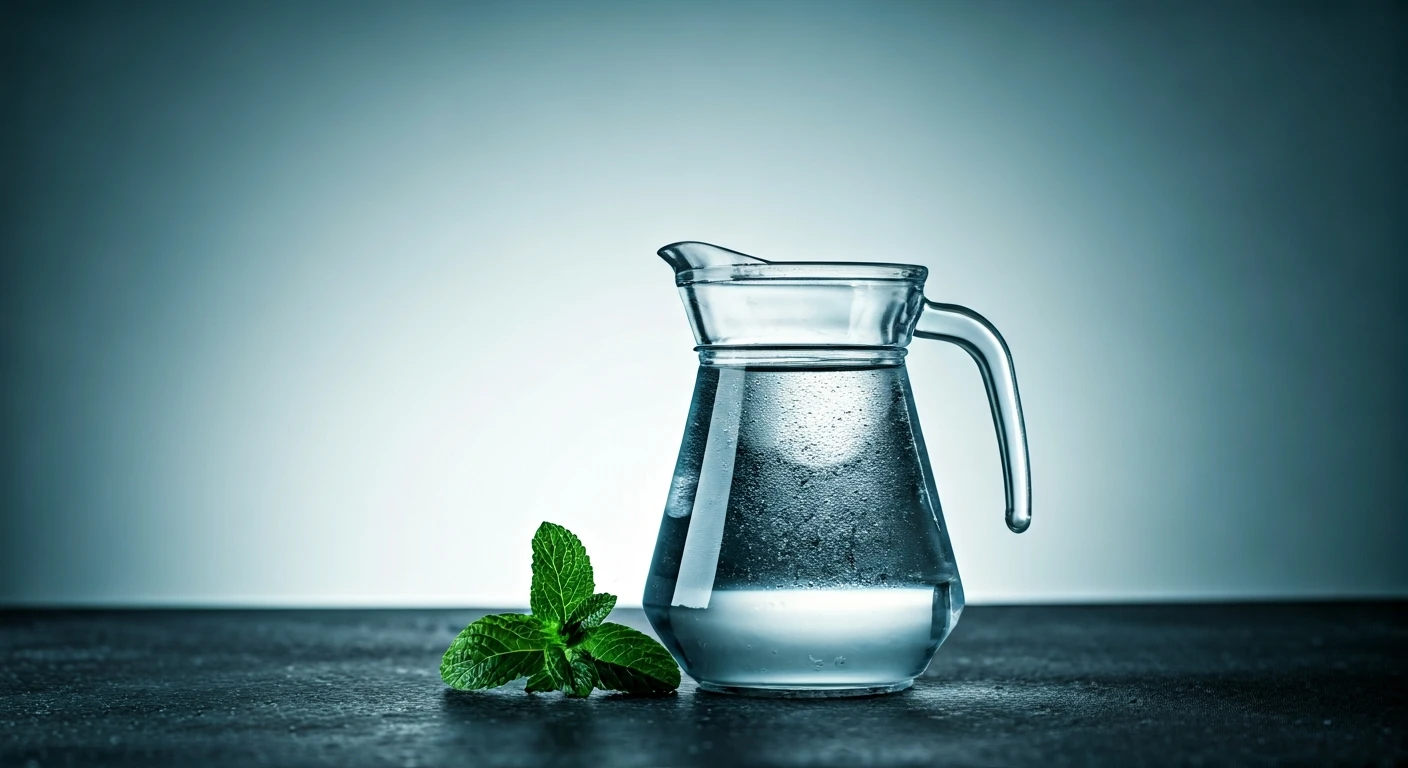
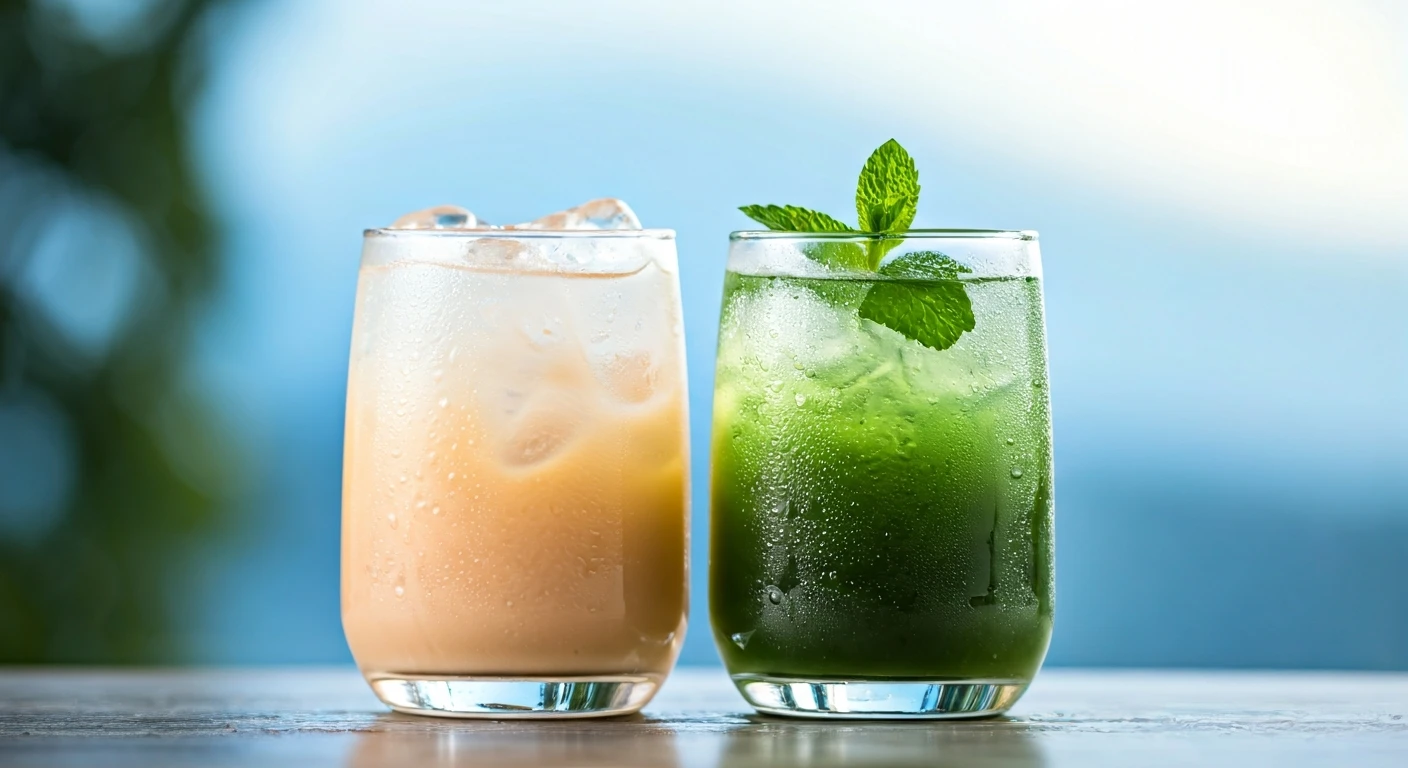
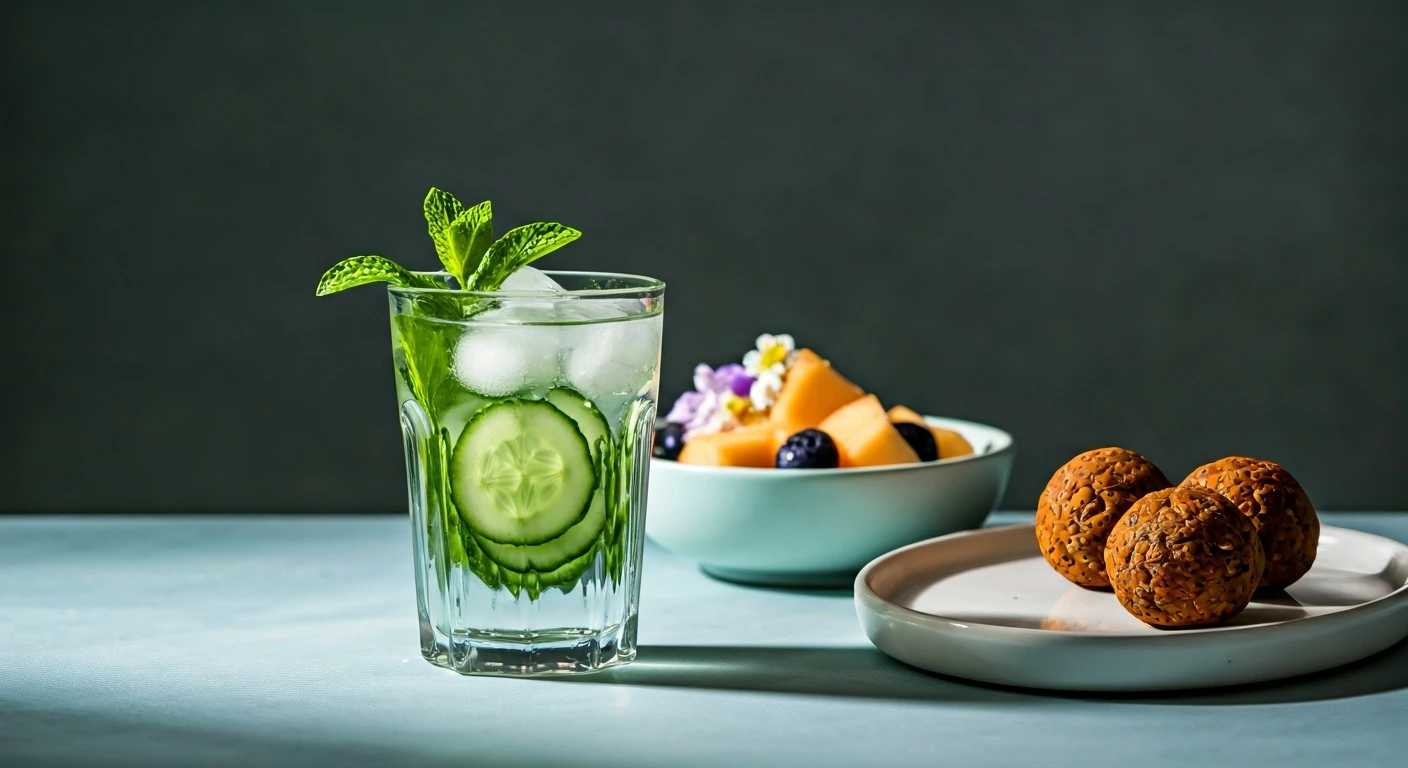
For fasts that aren't 'nirjala,' staying hydrated is key. Vrat drinks focus on cooling the body and replenishing electrolytes. Fresh fruit juices, particularly watermelon or muskmelon, are go-to choices. Coconut water is another hero, prized for its natural hydrating properties. Buttermilk, known as 'chaas' in Hindi, is a classic. This thinned, spiced yogurt drink is a probiotic powerhouse that aids digestion and provides a savory, refreshing counterpoint to the day’s other foods. It's often lightly seasoned with rock salt and roasted cumin powder. These drinks aren't just functional; they're an integral part of the vrat experience, offering comfort and refreshment.