


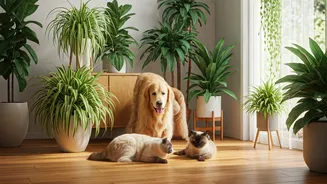
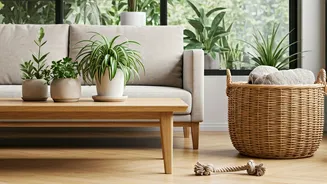


The Green Boom Meets the Pet Boom
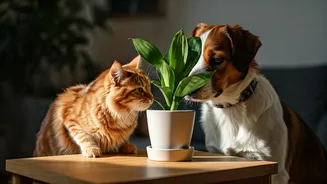
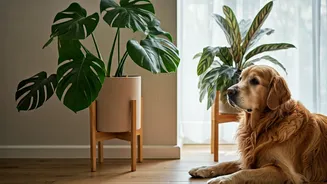
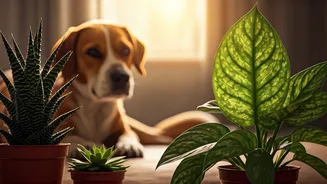
The rise of the “plant parent” isn’t just an Instagram phenomenon; it’s a full-blown cultural shift. More of us are bringing nature indoors to boost our mood and beautify our spaces. At the same time, pet ownership, particularly since 2020, has soared.
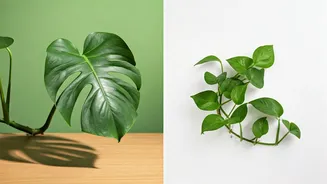
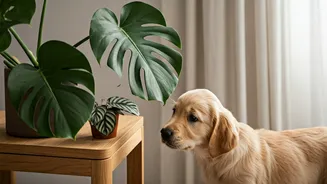
This collision of trends has pushed a once-niche concern into the mainstream. Suddenly, that chic monstera in the corner isn’t just a style statement—it's a potential hazard for a curious cat or a bored puppy. As a result, nurseries, design blogs, and pet forums are buzzing with conversations that merge aesthetics with animal welfare. Choosing a new plant is no longer just about light conditions and watering schedules; it’s about toxicology.
Pet-Safe Plants for a Lush Look
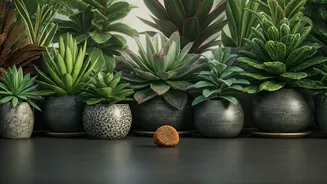
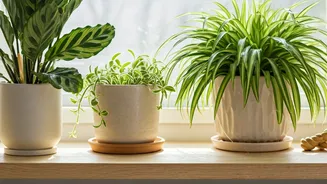
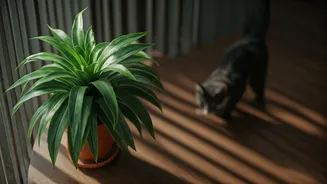
The good news is you don’t have to choose between a lush home and a safe pet. Many stunning and popular houseplants are non-toxic to cats and dogs. According to the ASPCA, these are some of the best worry-free options: * **Spider Plant (Chlorophytum comosum):** This retro classic is famously resilient and safe for pets. Its cascading plantlets are tempting playthings for cats, but rest assured, they are non-toxic. * **Prayer Plant (Maranta leuconeura) & Calathea Species:** Known for their striking, patterned leaves that fold up at night, these plants are beautiful statement pieces and are perfectly safe for all your furry companions. * **Boston Fern (Nephrolepis exaltata):** With its shaggy, vibrant fronds, the Boston Fern adds a ton of texture to a room and is completely pet-friendly. * **Haworthia (Zebra Plant):** If you love the look of succulents but worry about toxicity, Haworthia offers a spiky, aloe-like aesthetic without the danger. They are non-toxic to dogs and cats.
A Note on 'Non-Toxic'
It’s important to understand that “non-toxic” doesn’t mean “edible.” Even safe plants can cause mild gastrointestinal upset, like vomiting or diarrhea, if your pet decides to eat an entire pot’s worth. The primary danger of toxic plants, however, involves more severe reactions, such as organ failure, seizures, or intense oral pain. The best strategy is to make any plant, safe or not, as inaccessible as possible. Use hanging planters, high shelves, or rooms that can be closed off to discourage your pet from turning your greenery into a snack.
Popular Plants to Handle with Care
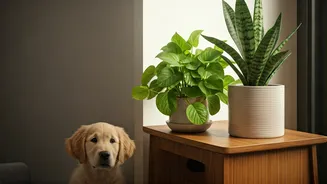
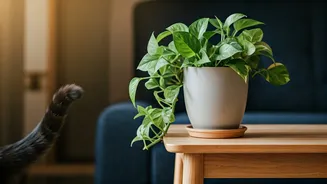
Unfortunately, many of the most popular houseplants are on the “do not touch” list for pets. Being aware is the first step to creating a safe environment. Here are a few common culprits to avoid or place well out of reach: * **Lilies (Lilium & Hemerocallis species):** For cat owners, this is the most critical warning. All parts of true lilies are extremely toxic to felines, and even ingesting a small amount of pollen can lead to kidney failure. * **Sago Palm (Cycas revoluta):** This popular indoor and outdoor plant looks like a mini palm tree, but it is highly toxic to both cats and dogs. Ingestion can cause liver failure and is often fatal. * **Snake Plant (Dracaena trifasciata) & Pothos (Epipremnum aureum):** These two plants are incredibly popular for being low-maintenance. However, they contain calcium oxalate crystals, which cause intense burning and irritation of the mouth, tongue, and stomach if chewed or ingested. While usually not life-threatening, they cause significant discomfort.
Signs of Trouble and What to Do
If you suspect your pet has ingested a toxic plant, don’t wait. Symptoms can range from drooling, vomiting, and loss of appetite to more severe signs like difficulty breathing, seizures, or lethargy. Your first move should be to call your veterinarian or an animal poison control center immediately. The ASPCA Animal Poison Control Center (888-426-4435) and the Pet Poison Helpline (855-764-7661) are available 24/7. If you can, identify the plant your pet ate; taking a picture or a piece of the plant with you to the emergency vet can be immensely helpful for diagnosis and treatment.