






The Allure of the Queen of Hills
Perched in the Himalayan foothills of West Bengal, India, Darjeeling is more an atmosphere than a destination. Nicknamed the 'Queen of the Hills,' it retains a palpable colonial-era charm, with Gothic architecture, charming cottages, and the lingering
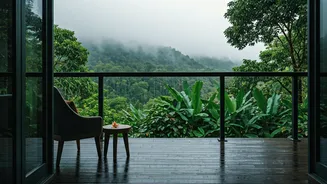
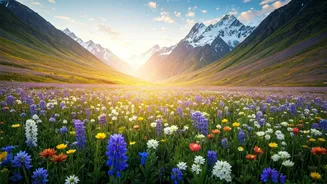
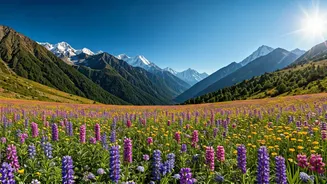
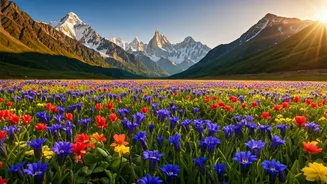
sense of a bygone era. For American travelers accustomed to more modern landscapes, it’s a step into a different world. The air is cool and crisp, a welcome respite from the heat of the Indian plains, and often carries the delicate fragrance of tea blossoms. The town itself is a vibrant jumble of winding lanes, bustling markets, and quiet viewpoints that, on a clear day, offer staggering views of Kanchenjunga, the world's third-highest peak. But the true magic lies in the mist that rolls in without warning, softening the edges of the world and creating an intimate, quiet cocoon for two.
Walking Through Clouds and Tea Leaves
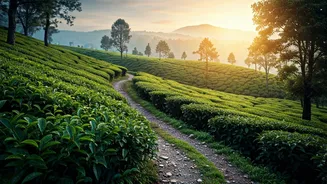
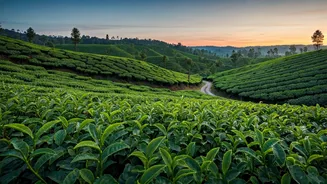
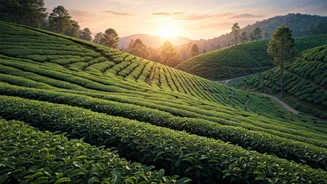
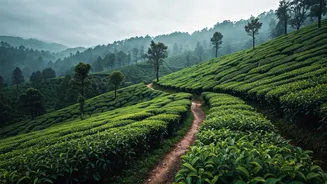
The heart of the Darjeeling experience is, of course, its tea. The region is home to dozens of tea estates, many of which welcome visitors. A stroll through an estate like Glenburn or Makaibari is an immersion in sensory detail. You'll walk along narrow paths that cut through manicured rows of tea bushes, their leaves glistening with dew. Workers, often with wicker baskets strapped to their backs, move silently through the rows, their fingers expertly plucking the 'two leaves and a bud' that will become the world-renowned Darjeeling tea. Many estates offer guided tours that demystify the process, from withering and rolling to fermentation and drying. The experience culminates in a tea tasting session, where you can savor the nuanced 'muscatel' flavor that makes this brew so prized. It’s a slow, contemplative activity, perfect for quiet conversation and soaking in the serene, green landscape.
Beyond the Estate Gates
While tea is the main event, Darjeeling offers other romantic diversions. A quintessential experience is a ride on the Darjeeling Himalayan Railway, a UNESCO World Heritage Site affectionately known as the 'Toy Train.' This narrow-gauge steam train chugs slowly up the mountainside, offering breathtaking views and a delightful dose of nostalgia as it navigates impossibly tight curves and loops. For a spiritual and scenic moment, make the pilgrimage to Observatory Hill, a spot sacred to both Buddhists and Hindus, offering panoramic views and a tranquil atmosphere. In the evenings, cozy up in a local restaurant to sample Tibetan delicacies like momos (dumplings) and thukpa (noodle soup), or browse the shops along the Mall Road for locally crafted woolens and souvenirs. These simple pleasures, shared against a backdrop of stunning mountain scenery, are what elevate a trip from a vacation to a cherished memory.
Planning Your Misty Escape
To experience Darjeeling at its most atmospheric, timing is everything. The best seasons are spring (March to May) and autumn (October to November). Spring offers pleasant weather and blooming rhododendrons, while autumn provides the clearest mountain views. The monsoon season (June to September) is when the hills are at their greenest and the mist is thickest, creating that signature romantic mood, though travel can be disrupted by rain. Pack in layers; even in warmer months, the evenings can be chilly. Comfortable walking shoes are a must. Many of the more luxurious tea estates, such as the Glenburn Tea Estate, offer stunning boutique accommodations right on the property, allowing you to live and breathe the tea garden life. Otherwise, Darjeeling town has a wide range of hotels. It's wise to book estate tours and Toy Train tickets in advance, especially during peak season, to ensure a seamless and stress-free romantic journey.