



The Soul of Simplicity
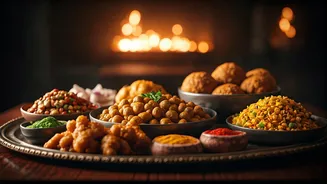
Mention Indian food, and many Americans picture a restaurant table laden with a dozen small metal bowls: creamy dal, a vibrant vegetable side, a rich meat curry, raita, rice, and naan. While that celebratory feast is wonderful, it doesn’t represent the
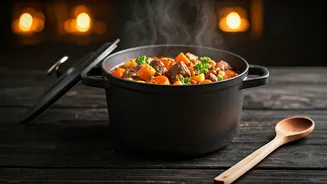
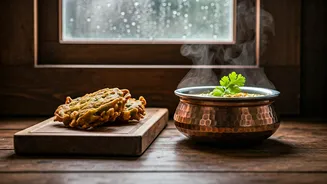
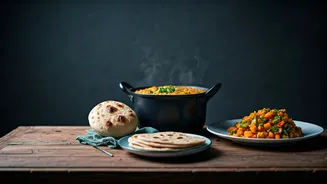
everyday reality of Indian home cooking. For millions, the weeknight hero isn’t a multi-course spread; it's a single, fragrant pot simmering on the stove. One-pot cooking is the soul of efficiency and comfort in the Indian kitchen. It’s a tradition born from practicality, designed to extract maximum flavor with minimal cleanup. This approach isn't a modern shortcut but a time-honored method for creating deeply satisfying, nutritionally complete meals without the fuss.
The Ultimate Comfort: Khichdi
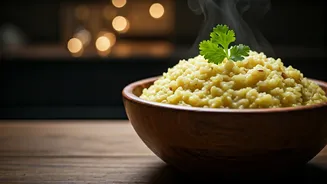
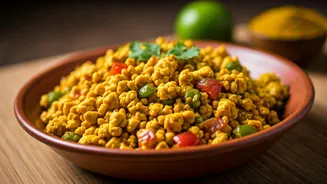
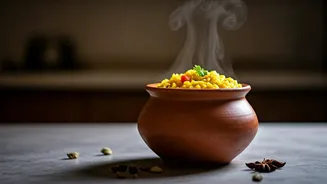
The journey into one-pot Indian cooking begins with khichdi (pronounced kitch-ree). This humble, soul-soothing dish of rice and lentils cooked together is the Indian equivalent of chicken noodle soup, mac and cheese, or a warm hug in a bowl. At its most basic, it's a simple porridge, often the first solid food given to babies and the go-to meal for anyone feeling under the weather. But khichdi is also a canvas. Home cooks embellish it with vegetables like peas and carrots, temper it with ghee sizzled with cumin seeds and asafoetida, or top it with a dollop of yogurt and a crisp papadum. It’s endlessly adaptable, effortlessly nutritious, and the definitive proof that a single pot can deliver a complete, restorative experience.
Reclaiming the One-Pot Curry
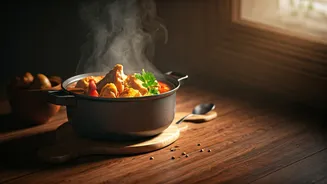
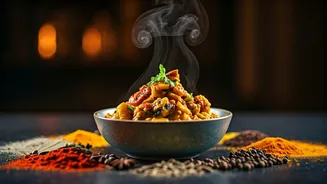
The word “curry” can be intimidating, suggesting a complex dance of frying, grinding, and simmering. But many beloved home-style curries are fundamentally one-pot affairs. The process is often a simple, rhythmic sequence. It starts with heating oil or ghee, then blooming whole spices like cumin or mustard seeds. Next, you sauté your aromatics—typically a blend of onion, ginger, and garlic. Then comes the main event: vegetables, legumes, or a protein like chicken or paneer are added, along with ground spices like turmeric, coriander, and chili powder. Finally, a liquid—water, stock, coconut milk, or crushed tomatoes—is poured in, and the entire mixture is left to simmer, allowing the flavors to meld into a cohesive, delicious whole. A weeknight chickpea and spinach curry or a simple chicken karahi follows this exact, streamlined logic.
Beyond Khichdi and Curry
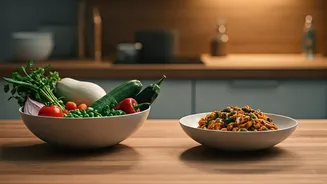
The one-pot universe extends far beyond these two mainstays. Consider pulao, a fragrant rice dish that’s a close cousin to pilaf. Rice is gently sautéed with whole spices and aromatics before being cooked with vegetables, and sometimes chicken or chickpeas, in a measured amount of broth. Every grain of rice absorbs the surrounding flavors, creating a complete meal in itself. Then there are sabzis, or vegetable preparations. While some are quick stir-fries, many are slow-cooked stews where potatoes, cauliflower, beans, and greens break down in a spiced tomato or onion base. Dishes like 'aloo gobi' (potato and cauliflower) or 'baingan bharta' (fire-roasted eggplant mash) can easily be made in a single pan, served simply with a warm flatbread to scoop up every last bite.
Your One-Pot Starter Kit
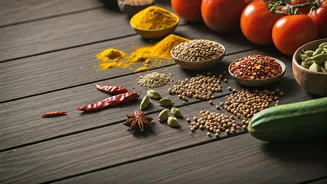
Diving in doesn't require a trip to a specialty store. Your pantry is likely halfway there. A well-stocked spice rack is your best friend. Start with the essentials: cumin seeds, coriander powder, and turmeric. These three form the backbone of countless dishes. Add to that some fresh ginger, garlic, and onions. For your base ingredients, keep rice (basmati is classic), lentils (red or yellow are quick-cooking), and canned goods like chickpeas and crushed tomatoes on hand. With these staples, a world of one-pot Indian meals is within your reach any night of the week. The only other tool you need is a sturdy pot with a tight-fitting lid—a Dutch oven, a heavy-bottomed saucepan, or even an Instant Pot will do the job beautifully.