






More Than Just a Workout
First, let's define our terms. A 'boutique studio' isn't your average, sprawling gym with rows of treadmills and a single, underpaid trainer overseeing a hundred people. Instead, think of the Indian equivalent of a SoulCycle, a high-end yoga shala, or
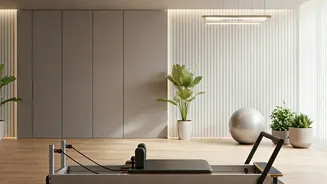
a specialized CrossFit 'box'. These are intimate, focused spaces dedicated to one or two disciplines, whether it's high-intensity interval training (HIIT), Pilates, spinning, or modern dance fitness. The key difference is the experience. Classes are small, instructors are highly trained and often have a devoted following, and the environment is curated to foster a sense of community and exclusivity. Patrons aren't just buying access to equipment; they're paying a premium for personalized attention, expert guidance, and a feeling of belonging to a tribe of like-minded individuals. This model thrives by shifting the value proposition from a low-cost utility to a high-touch, aspirational experience.
The New Urban Status Symbol
So why are these studios suddenly packed? The boom is a perfect storm of economic and cultural shifts. In major metropolitan hubs like Mumbai, Delhi, and Bengaluru, a growing class of young, urban professionals has more disposable income than ever before. After the global pandemic heightened health consciousness, this demographic began redirecting its spending toward wellness and self-improvement. But it’s not just about health. Attending a chic Pilates class or posting a post-workout selfie from a well-known HIIT studio has become a new form of social currency. It signals a certain lifestyle—one that is modern, globalized, and health-focused. For many, a membership at one of these exclusive studios is as much a status symbol as a designer handbag or a luxury car. It’s a declaration of one's priorities and a ticket into a specific social circle, making the high price point part of the appeal.
A Different Business Model
The financial structure of these studios is fundamentally different from traditional gyms. Instead of locking customers into low-cost annual memberships they may or may not use, boutique studios often operate on a pay-per-class or small-package model. While the per-session cost is significantly higher—sometimes 10 to 20 times the daily equivalent of a budget gym membership—it offers flexibility and lowers the barrier to entry for someone wanting to try a class. This high-margin, low-volume approach allows studios to be profitable even with a smaller physical footprint in expensive urban real estate. The scarcity of spots in a popular class further drives up perceived value and creates a sense of urgency to book. Founders of these studios aren't just fitness instructors; they are savvy entrepreneurs who understand brand-building, community management, and experience design in a market hungry for premium services.
From Ancient Yoga to Modern HIIT
While India is the birthplace of yoga, this trend is far from monolithic. Yes, sleek, modern yoga and aerial yoga studios are a huge part of the boom, re-packaging an ancient practice for a new generation. But the demand is incredibly diverse. CrossFit boxes have cultivated intense, loyal communities built on shared struggle and achievement. High-energy spinning studios with concert-level sound systems offer a form of cardio-fueled escapism. Pilates and barre studios cater to those seeking a toned physique with a focus on core strength and posture. This variety demonstrates a sophisticated consumer base that is moving beyond the simple goal of 'losing weight' and is instead seeking specific fitness outcomes, specialized skills, and varied forms of physical and mental engagement. The success across these different niches proves that the demand isn't for a single type of workout, but for the boutique model itself: specialized, community-driven, and results-oriented.