
What Exactly Is Chaat?
Before we get to the upgrade, let’s talk about the original. Chaat isn't one specific dish; it’s a whole category of savory snacks from South Asia that hits every possible note on your palate. The word 'chaat' literally means 'to lick,' and the experience
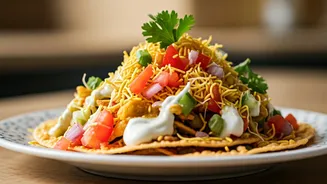
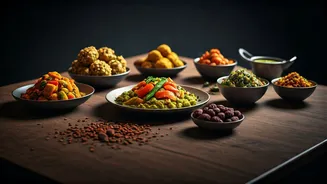
is so good you’ll want to lick the plate clean. The formula is a brilliant balancing act: a starchy or crunchy base, topped with layers of tangy, sweet, and spicy. Think of it as a flavor symphony. You have the cool creaminess of yogurt (dahi), the sweet-and-sour punch of tamarind chutney, the fresh heat of mint-coriander chutney, and the fiery kick of chili powder. It’s all crowned with a textural flourish—crispy fried noodles (sev), crunchy chickpeas, and a sprinkle of fresh cilantro and pomegranate seeds. From Samosa Chaat (built on a crushed fried pastry) to Aloo Tikki Chaat (potato patties), the variations are endless, but the goal is always a joyful explosion of flavor in your mouth.
The Case for a Makeover
So if classic chaat is so perfect, why change it? The traditional version, while delicious, is an indulgence. Many of its most beloved components are deep-fried—the papdi (crispy crackers), the samosas, the sev. The chutneys, particularly the tamarind one, can be loaded with sugar to balance the tartness, and the base is often made from refined flour or potatoes. In a food culture increasingly focused on wellness, whole foods, and mindful eating, chaat can feel like a cheat meal. But the core concept is too good to give up. Chefs and home cooks began asking a simple question: Can we keep the soul of chaat—the tangy, spicy, sweet, crunchy chaos—but build it on a more nutritious foundation? The answer, it turns out, is a resounding yes. This isn't about creating a bland, joyless 'diet' version; it's about innovating with new ingredients to prove that healthy and crave-worthy can be the same thing.
Reimagining the Crunch and Flavor
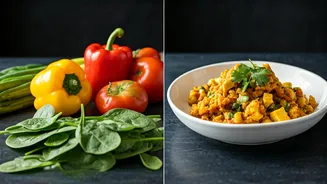
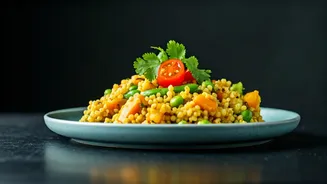
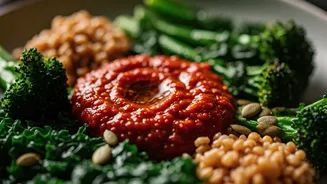
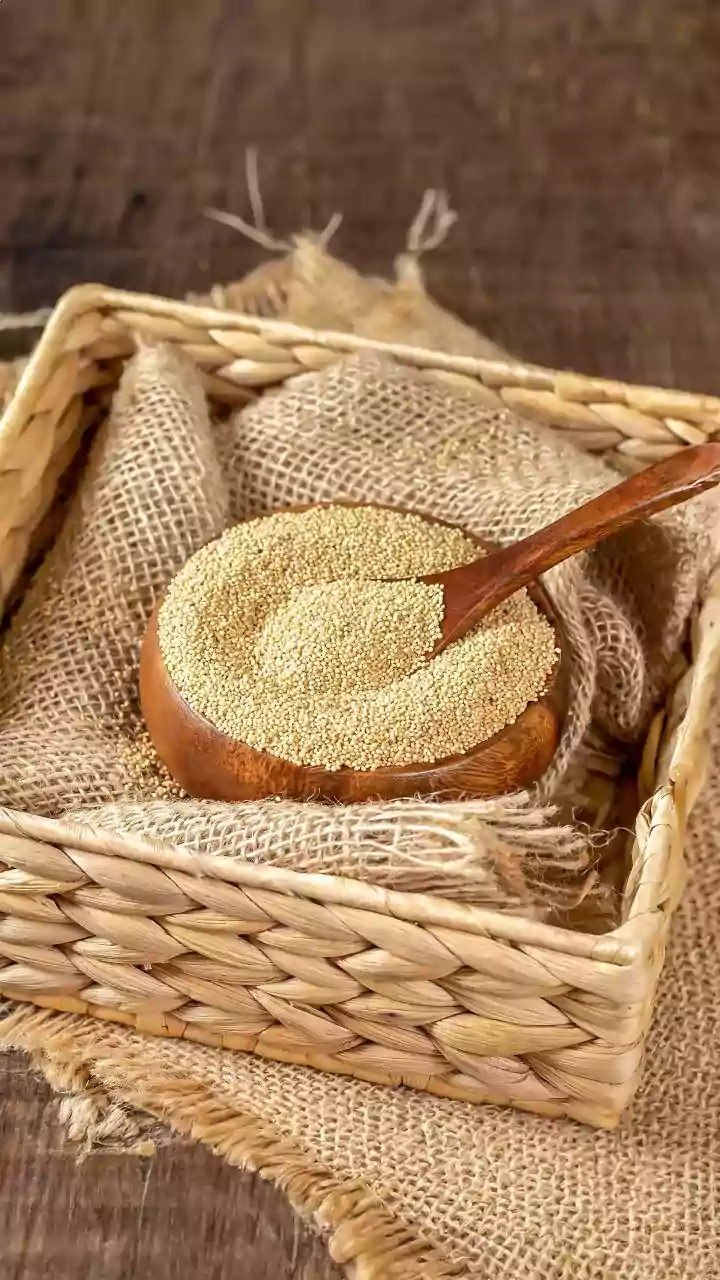
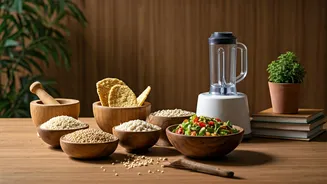
The healthy chaat movement is all about smart substitutions that add nutritional value without sacrificing satisfaction. The deep-fried crunch is the first thing to get a rethink. Instead of fried papdi, innovators are using baked whole-wheat or millet crackers. Air-fried sev provides the same texture with a fraction of the oil. The starchy base is also being completely transformed. Forget fried potato patties; think roasted sweet potato cubes, which offer a natural sweetness and a dose of vitamins. Sprouted mung beans, quinoa, boiled chickpeas, and even corn and black beans are now common bases, packing the dish with protein and fiber. For the chutneys, refined sugar is being swapped for date syrup, jaggery (an unrefined cane sugar), or even fruit purées to provide that essential sweetness. The result is a dish that’s lighter, more vibrant, and packed with nutrients, yet still delivers the signature flavor punch that makes chaat irresistible.
Finding the New Chaat
This trend isn't just a niche phenomenon; it's popping up everywhere. Modern Indian-American restaurants are proudly featuring 'Sprout Chaat' or 'Quinoa Chaat' on their menus, appealing to diners looking for something both authentic and wholesome. You can also easily bring this trend into your own kitchen. Start with a base of roasted sweet potatoes or a cup of cooked chickpeas. Drizzle generously with plain yogurt, a spoonful of tamarind chutney, and a dollop of mint chutney (you can find great store-bought versions). Then, go wild with toppings: diced red onion, chopped tomatoes, a sprinkle of chaat masala (the essential spice blend), a handful of pomegranate seeds for a juicy burst, and some crushed baked tortilla chips for that non-negotiable crunch. You’ve just made a delicious, satisfying meal that captures the spirit of the street cart in a way that feels good, too.