

The 'Sea of Milk'
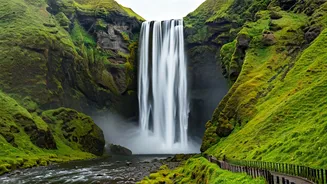
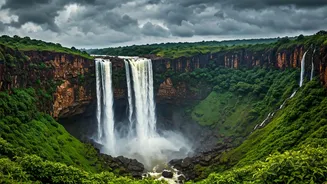
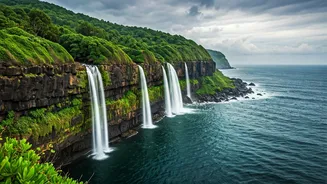
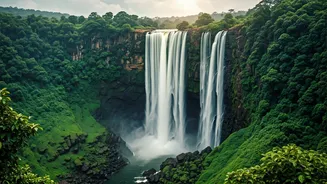
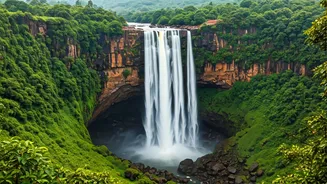
Dudhsagar. The name itself, translated from the local Konkani language, means “Sea of Milk.” It’s a fittingly poetic title for one of India’s tallest and most powerful waterfalls. Cascading from a height of over 1,000 feet, this four-tiered behemoth isn’t
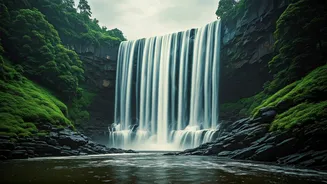
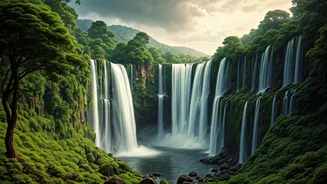
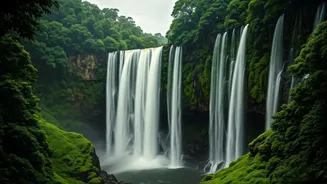
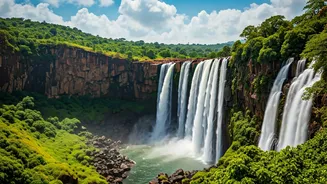
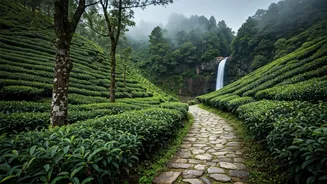
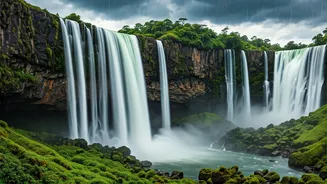
a single, elegant plunge but a thunderous, multi-layered explosion of white water. Located on the Mandovi River, deep within the Bhagwan Mahaveer Sanctuary and Mollem National Park on the border of Goa and Karnataka, the falls are shrouded in lush, emerald-green jungle. During the dry season, the flow can diminish to a series of distinct, narrow streams. But when the monsoon rains arrive, Dudhsagar undergoes a dramatic and awe-inspiring transformation, living up to its milky moniker as countless torrents merge into a single, formidable force.
Why the Monsoon Changes Everything
For many travel destinations, monsoon season is the off-season, a time of washed-out plans and dreary skies. In Goa, while the beach scene certainly quiets down, the hinterlands awaken. This is when Dudhsagar is at its absolute peak. The heavy rains from June to September feed the river, swelling it into a raging powerhouse. The sheer volume of water creates a spectacle that is both auditory and visual. The roar can be heard from miles away, a constant, deep-throated rumble that vibrates through the forest. The mist generated by the crashing water blankets the surrounding valley, creating an ethereal, almost dreamlike atmosphere. The water, thick and white with aeration and sediment, truly looks like milk pouring over the dark, rugged cliffs of the Western Ghats. It’s this seasonal metamorphosis that turns a beautiful waterfall into a genuinely magical, must-see event.
A Journey Through the Jungle
Reaching Dudhsagar is an adventure in itself, a core part of its allure. The most iconic and photographed view involves the railway line that crosses directly in front of the falls. A train journey on the South Western Railway line from Vasco or Lonavla offers fleeting but unforgettable views as the train slows to cross the bridge, seemingly passing through the waterfall itself. For a more immersive experience, the primary route involves a rugged jeep safari from the village of Collem. These 4x4 vehicles, managed by the local forest department, navigate a bumpy, stream-filled track through the national park. The journey is a thrilling ride through dense foliage and river crossings, building anticipation until the falls finally come into view. It’s not a trip for the faint of heart, but it ensures that the destination feels earned, a reward at the end of a proper expedition.
Discovering a Different Goa
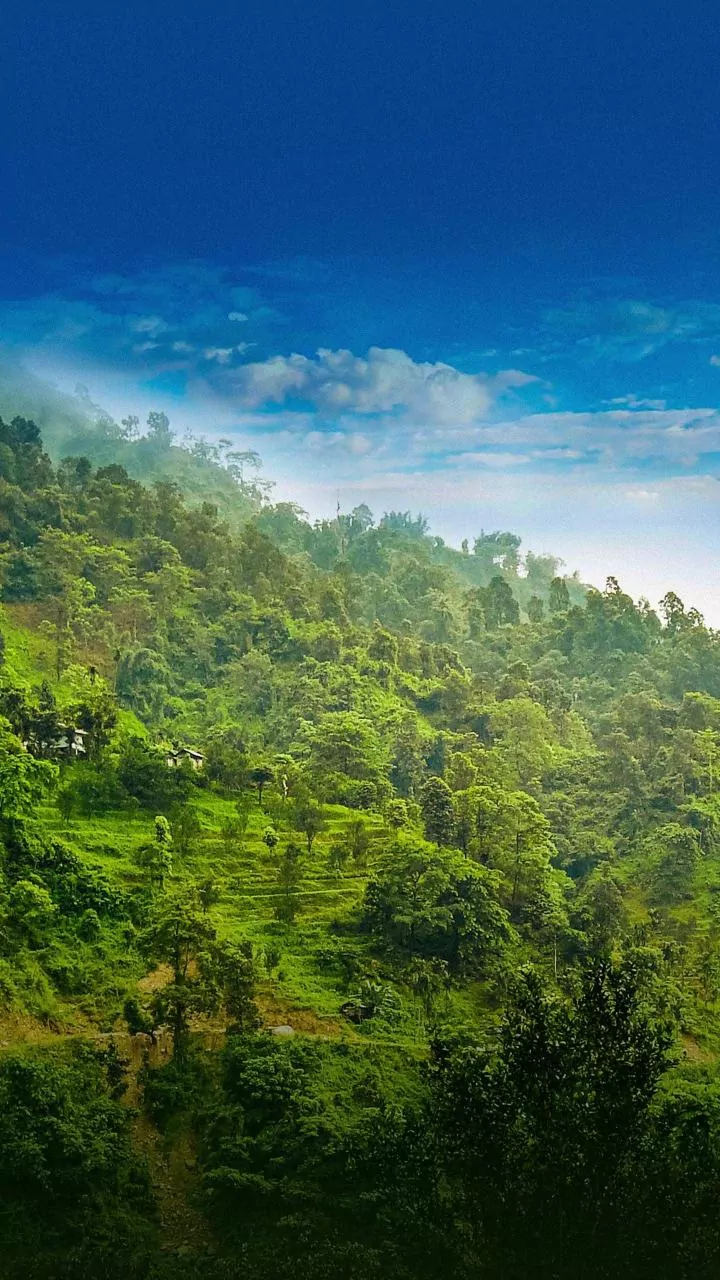
For most American travelers, Goa is synonymous with its palm-fringed coastline, laid-back beach shacks, and vibrant party scene. A trip to Dudhsagar, especially during the monsoon, shatters that single narrative. It reveals the state’s other, wilder identity: a land of dense tropical forests, rich biodiversity, and dramatic, mountainous terrain. The air is cooler, the landscape is a thousand shades of green, and the crowds are thinner. Visiting the falls provides a glimpse into the Goa of the Western Ghats, a UNESCO World Heritage Site known for its ecological importance. It’s an opportunity to connect with a raw, untamed version of nature that feels a world away from the coastal plains, offering a more complete and satisfying picture of this small but incredibly diverse Indian state.