



An Antidote to the Algorithm
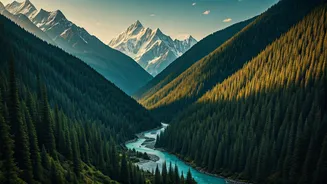
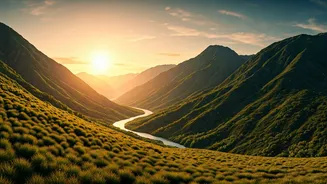
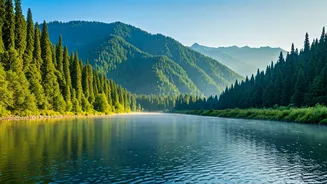
In an age where travel is often performative—a checklist of photo ops for a feed—Tirthan Valley feels like a quiet rebellion. Tucked away in Himachal Pradesh, this tranquil corridor runs alongside the Tirthan River, a pristine tributary of the Beas. It’s
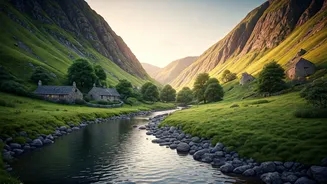
the gateway to the Great Himalayan National Park, a UNESCO World Heritage Site, but the valley itself isn't a single destination. It’s a mood. This is a place where the Wi-Fi is weak but the connection is strong. There are no grand monuments, no five-star hotel chains, and no tour buses idling impatiently. Instead, the local economy is built on a gentler foundation: small, family-run guesthouses and homestays that invite you not just to see the place, but to inhabit it for a while. It’s the kind of escape that doesn't demand you do anything but be present, trading the scroll for a stroll.
The Promise of the Pine Trail
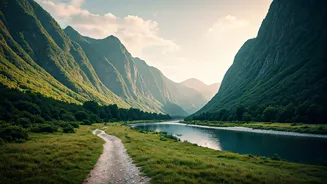
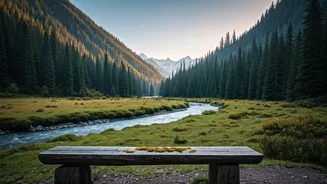
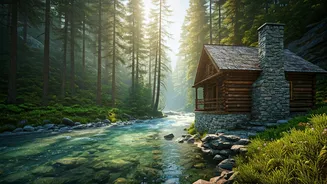
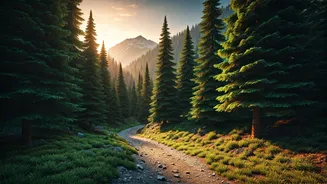
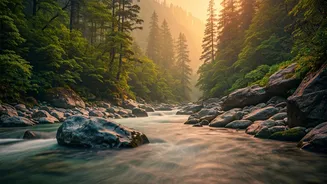
The trails are the valley’s arteries, and they live up to the headline’s promise. They aren't punishing, Everest-style treks, but gentle, meandering paths that wind through dense deodar and pine forests. Walking here is a sensory immersion. The air is cool and fragrant with pine needles and damp earth. Sunlight filters through the canopy, dappling the forest floor. The only sounds are the crunch of your footsteps, the distant call of a bird, and the ever-present murmur of the river below. Hikes can lead to hidden waterfalls, like the popular but still-beautiful Chhoie Waterfall, or to tiny, isolated villages like Sharchi or Batad, where life moves at a pace dictated by seasons, not seconds. These walks aren’t about conquering a summit; they are about letting the quiet of the forest seep into your bones, recalibrating your internal clock one step at a time.
Life by the River’s Rhythm
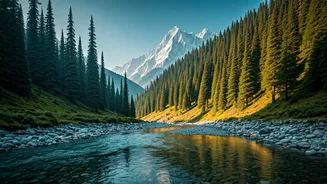
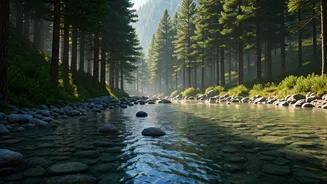
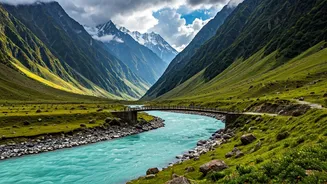
The Tirthan River is the valley's soul. Its crystal-clear, shockingly cold water tumbles over smooth grey stones, creating a constant, soothing soundtrack. It’s famous for its trout, and you’ll see local anglers patiently casting lines into promising pools. For visitors, the river offers a different kind of engagement. It’s a place to simply sit with a book, to dip your feet into the icy current, or to find a sun-warmed boulder and do absolutely nothing at all. The act of watching the water flow—relentless yet unhurried—is a form of meditation. In a world of constant notifications and demands on our attention, the river offers a singular focus. This focus on a natural element is central to the “slow-love” idea; it’s about finding romance not just with a person, but with a place and a pace.
The Simple Joy of a Homestay
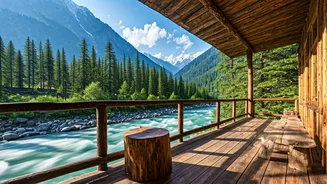
The experience of Tirthan is incomplete without mentioning its accommodations. Rather than sterile hotels, the valley thrives on intimate homestays. Here, you’re not a room number; you’re a guest. You might wake up to the smell of parathas being cooked in the family kitchen and end the day sharing stories with your hosts over a simple, delicious meal of dal and freshly picked vegetables. These stays offer a profound sense of place. They connect you to the local culture and community in a way no resort ever could. It’s in these small moments—learning the name of a local plant, watching the evening light settle over the apple orchards from a wooden balcony—that the valley works its magic. It’s a return to a more human-scale form of hospitality, one built on conversation and genuine care.