








From Macronutrients to Mission Control
For decades, the dominant conversation around food was about what to restrict. We meticulously counted calories, demonized fat, then carbs, then sugar. We tracked our macros—protein, carbohydrates, and fats—like a CPA tracks quarterly earnings. But a significant
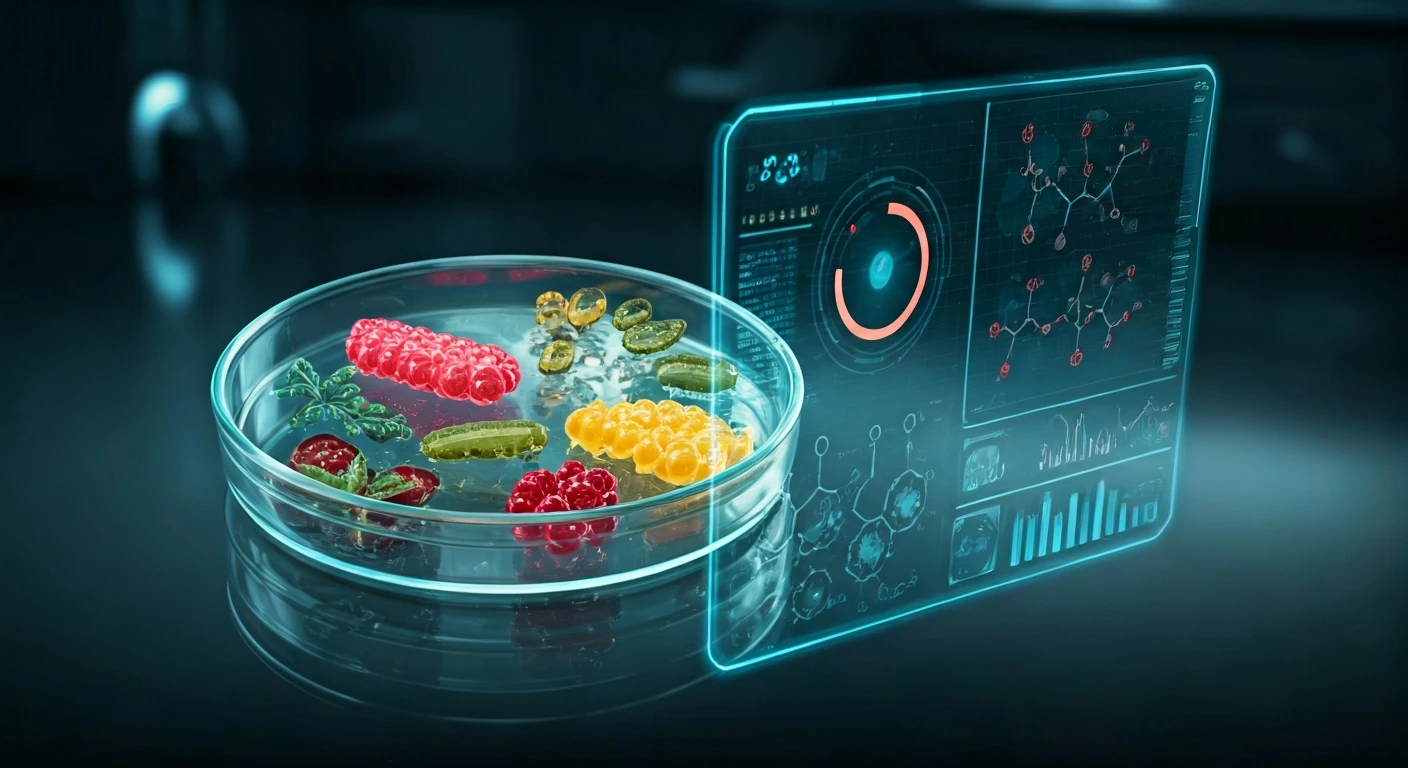
shift is underway. While basic nutrition remains foundational, a growing number of people are now approaching their plates like a mission control panel, using food to fine-tune their daily performance, mood, and long-term health. This is goal-specific eating. It’s the practice of choosing foods not just for sustenance or pleasure, but to achieve a tangible biological or psychological outcome. Think of it as upgrading from basic fuel to high-performance fuel with special additives. You’re not just filling the tank; you’re adding an octane booster for mental clarity, a lubricant for joint health, or a coolant to reduce inflammation and stress.
The New Performance Goals
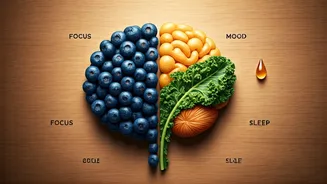
So, what are these new goals? They fall into a few key categories that reflect our modern anxieties and aspirations. First is cognitive performance. In our hyper-distracted world, people are eating for focus, memory, and mental clarity. This is the domain of brain-friendly omega-3s from salmon, antioxidant-rich blueberries, and even the controversial world of nootropics and adaptogenic mushrooms like Lion's Mane.
Next is emotional and mental well-being. This is perhaps the biggest and most revolutionary frontier. Consumers are actively seeking foods to help them manage stress, reduce anxiety, and improve sleep. This has fueled the boom in products containing magnesium, L-theanine (found in green tea), and calming botanicals like chamomile and ashwagandha. The gut-brain axis—the proven connection between gut health and mood—has also put probiotics and fermented foods like kimchi and kefir on the “happy foods” list.
Finally, there’s physical optimization beyond the gym. People aren’t just drinking a protein shake after a workout anymore. They’re eating collagen for skin and joint health, consuming anti-inflammatory turmeric to manage everyday aches, and timing their meals for optimal energy, not just athletic output.
What's Driving the Functional Food Boom?
This isn’t happening in a vacuum. Several cultural and technological currents are converging to drive this trend. The first is the massive wellness movement, which has reframed health as an ongoing project of self-optimization. We’re encouraged to bio-hack our lives, and food is the most accessible lever to pull.
Technology is another major driver. Wearable devices like the Oura Ring and Apple Watch provide a constant stream of data about our sleep quality, heart rate variability, and activity levels. This makes the effects of our choices feel more immediate and measurable. If you see your sleep score improve after drinking a “sleepy” tea, you’re more likely to make it a habit. Personalized nutrition apps also offer tailored advice, moving beyond one-size-fits-all diet plans.
And, of course, the market has responded. The grocery store aisle is now flooded with “functional” products. You can find protein bars that promise focus, sparkling waters infused with adaptogens to “calm,” and granolas packed with probiotics for gut health. Brands are no longer just selling taste; they’re selling a solution to a problem.
A User's Guide to Eating with Purpose
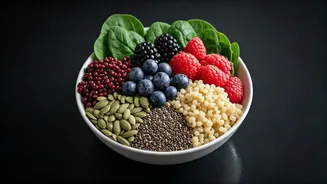
While this trend is exciting, it requires a healthy dose of skepticism. Marketing claims can often outpace scientific consensus. A brownie laced with adaptogens is still a brownie, and no single food is a magic bullet for a complex problem like anxiety or poor sleep. The most effective strategy is always to focus on a foundation of whole, unprocessed foods.
That said, being intentional is a good thing. Instead of reaching for a sugary coffee drink for that 3 p.m. slump, you might opt for green tea for a gentler lift from its caffeine and L-theanine. Instead of a late-night snack that disrupts sleep, you might choose a handful of walnuts, which contain natural melatonin. It’s less about buying expensive, specialized products and more about understanding the inherent properties of the foods you already eat.