

The Need for a Senior Sanctuary
Watching a once-confident dog grow old can be heartbreaking, especially when age brings anxiety. Fading eyesight or hearing can make the world feel unpredictable and frightening. A familiar, controlled environment becomes paramount. This is where a dedicated
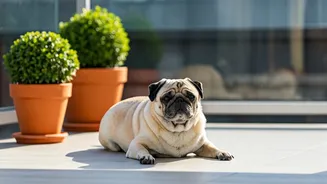
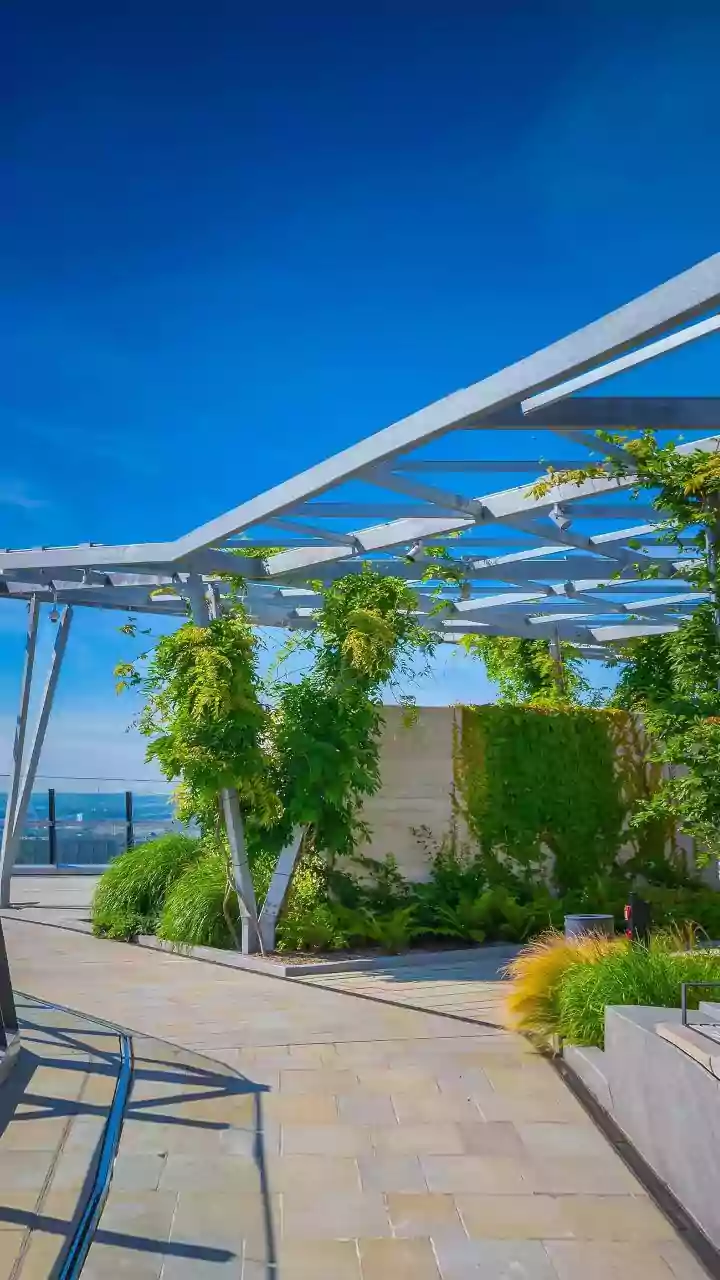
natural space, even a small one, works its magic. Unlike a bustling sidewalk, a curated terrace offers predictable sensory input—the scent of safe plants, the feeling of soft grass, the sound of a gentle breeze. This predictability lowers cortisol (the stress hormone) and provides a sense of security, allowing a senior dog to relax deeply in a way that might not be possible indoors or on a chaotic public walk.
Foundation of Safety
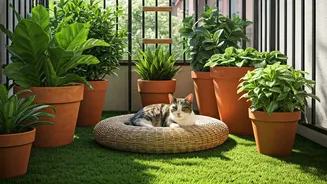
Before you add a single plant, your first priority must be safety. For terraces and balconies, this means ensuring railings are secure and the gaps are small enough that your dog cannot slip through. Consider adding a screen or a higher-quality barrier for extra peace of mind. The flooring is also crucial. Concrete can be hard on old joints and dangerously hot in the sun. Interlocking deck tiles made of wood or composite material are excellent options, as is high-quality artificial turf designed for pets. Whatever you choose, ensure it provides good grip, even when wet, to prevent slips and falls that can be devastating for a fragile senior.
Choosing a Pet-Safe Palette
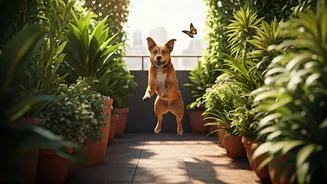
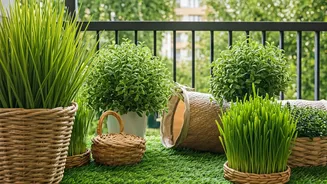
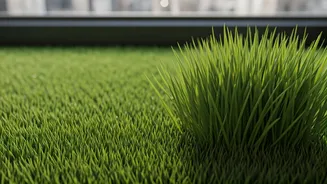
Plants are the heart of your sanctuary, but many common varieties are toxic to dogs. A quick search of the ASPCA’s plant list is essential before buying. Focus on plants that offer sensory enrichment. For texture, plant hardy, non-toxic grasses like dwarf fountaingrass or a patch of tough wheatgrass in a low container. For scent, consider dog-safe herbs like rosemary, basil, or thyme planted in raised pots. Chamomile and lavender are famous for their calming aromas, but keep them in areas where your dog can sniff but not ingest them in large quantities. The goal is a multi-sensory experience that is engaging but not overwhelming.
Designing for Comfort and Rest
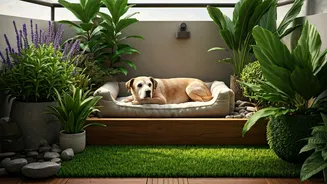
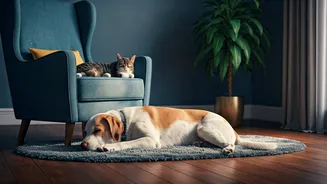
A sanctuary isn't just for exploration; it's for profound rest. Your design should include dedicated comfort zones. Place a supportive, orthopedic outdoor bed in a spot that gets morning sun but is shaded during the hottest part of the day. A raised cot can also be a great choice, as it allows for air circulation underneath, keeping your dog cool. If space allows, create a designated potty area using a real grass pad or a tray with pet-friendly turf. This helps prevent accidents and reinforces the terrace as a comfortable, functional part of their territory. Having a shallow, tip-proof water bowl is also a non-negotiable for hydration.
Gentle Sensory Engagement
Beyond plants and beds, think about other gentle sensory elements. The quiet gurgle of a small, self-contained water feature can mask jarring city noises and provide a soothing focal point. Incorporate different textures for your dog to walk on or lie near, like a collection of smooth, large river stones (too big to swallow) in one corner or a durable outdoor rug. You can also hide high-value, smelly treats among the plants or in a snuffle mat to encourage gentle foraging behavior, which is a natural stress-reliever for dogs. This turns the space from a static area into an interactive environment that engages their mind at a comfortable, senior-friendly pace.