

The Fermented Foods Revival
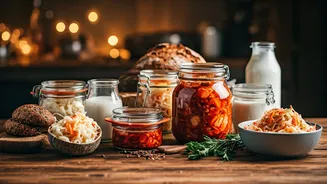
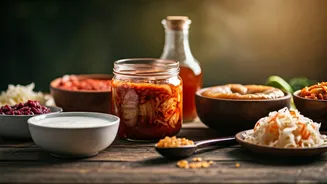
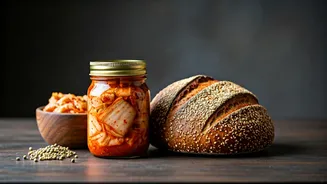
Walk down the refrigerated aisle of any modern grocery store, and you'll see a colorful army of jars filled with kimchi, sauerkraut, and kombucha. These aren't new inventions; they're ancient preservation methods that have found a new purpose in the wellness
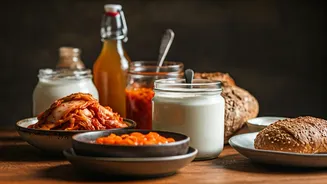
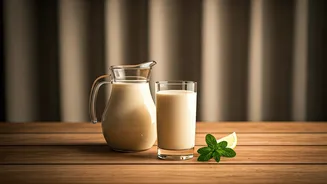
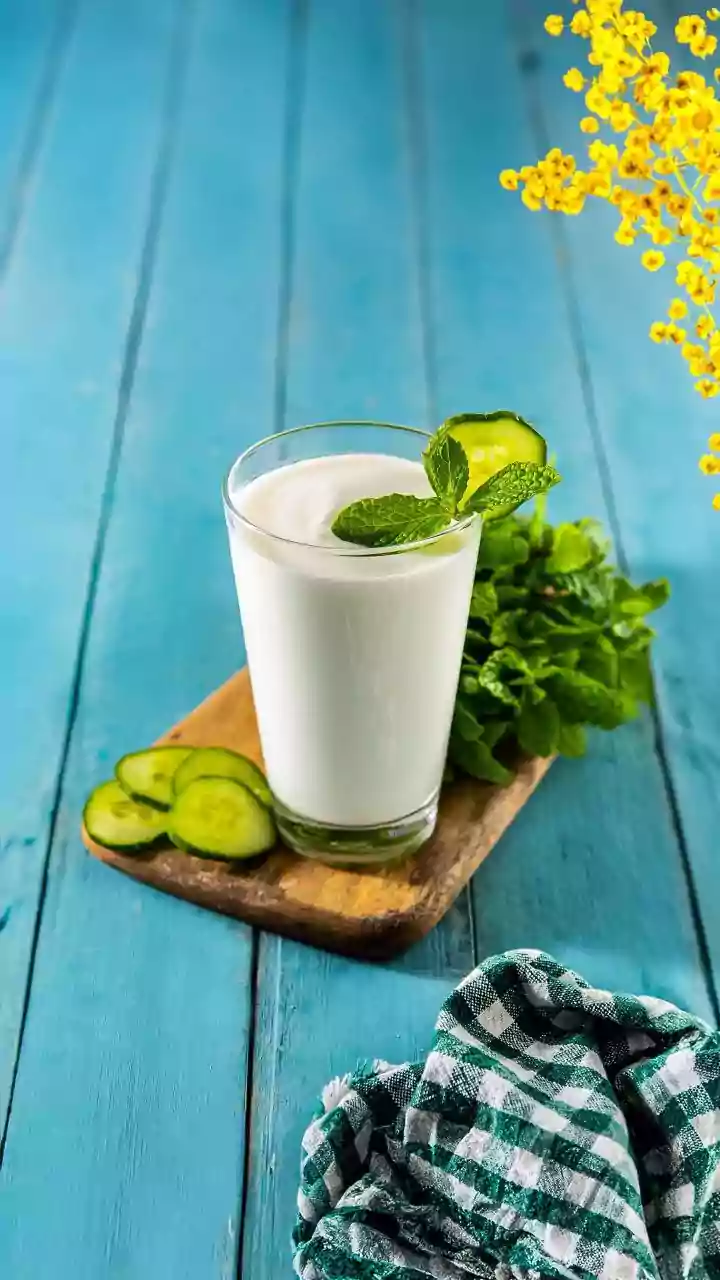
era. The magic is in the fermentation process, which enlists beneficial bacteria to break down sugars. This not only preserves the food but also creates a rich source of probiotics—live microorganisms that can help balance the gut microbiome. While trendy probiotic pills can be expensive and their effects debated, foods like tangy Korean kimchi and crunchy German sauerkraut offer a time-tested, delicious way to introduce diverse, helpful bacteria into your system. Similarly, fermented dairy products like kefir and yogurt have been staples in Eastern European and Middle Eastern diets for centuries, long before we had the scientific language to describe their gut-soothing properties.
The Sourdough Comeback Story
Not long ago, a homemade loaf of sourdough bread was a niche, artisanal hobby. Today, it’s a mainstream symbol of a return to slower, more natural food production. Unlike modern commercial bread, which uses fast-acting yeast, traditional sourdough relies on a wild yeast starter—a living culture of yeast and bacteria. This long, slow fermentation process does more than just create a distinctive tangy flavor and chewy crust. It also begins to break down some of the complex carbohydrates and gluten in the flour, potentially making the bread easier to digest for some people. While it’s not a cure-all for gluten-related disorders, many people report feeling less bloating from sourdough compared to standard white bread. It represents a move away from hyper-processed grains and toward a method that works *with* natural processes, not against them.
Bone Broth: From Kitchen Scrap to Superfood
Once considered little more than a resourceful way to use up leftover animal bones, bone broth is now a staple in wellness circles, sold in chic packaging at premium prices. The concept is simple: bones are simmered for hours with vegetables and herbs, releasing collagen, gelatin, and amino acids into the liquid. Proponents claim these compounds help support the integrity of the gut lining, reduce inflammation, and improve digestion. While large-scale clinical research is still catching up to the hype, the logic is appealingly straightforward. Our ancestors wasted nothing, and the practice of making rich, nourishing stocks from bones is as old as cooking itself. It speaks to a desire for nose-to-tail eating and extracting maximum nutritional value from whole foods, a stark contrast to the nutrient-stripped, ultra-processed foods that have dominated American diets for decades.
Why This, and Why Now?
The resurgence of these traditional foods isn't just a coincidence; it's a direct response to the modern food system. After decades of being told to seek health in low-fat, low-calorie, and highly engineered products, many Americans are experiencing a kind of nutritional fatigue. There's a growing understanding that health isn't about what's removed from food, but what's in it. Traditional foods are inherently whole, minimally processed, and nutrient-dense. They also connect us to a sense of history and culture, offering a story and a process that a factory-sealed protein bar simply can't. In an era of confusing labels and marketing jargon, the simple, transparent nature of these ancient dietary staples feels authentic, trustworthy, and refreshingly logical.