





1. Wiper Blades and Fluid
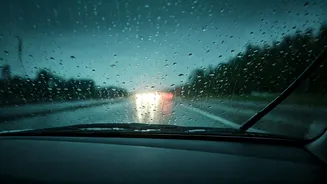
This is the most obvious, yet most frequently neglected, check. Summer heat bakes the rubber on your wiper blades, causing them to crack, split, and become ineffective just when you need them most. A sudden downpour is no time to discover your wipers
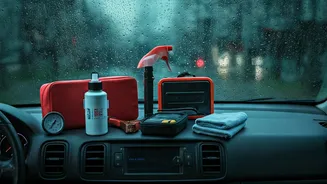
only smear water across the glass, destroying visibility. Inspect the blades for any signs of wear and tear. If they leave streaks or skip across the windshield, replace them. It’s an inexpensive fix that pays huge dividends in safety. While you’re at it, top off your windshield washer fluid. The dust and mud kicked up during a storm can turn into a thick film that only a good squirt of fluid can cut through.
2. Tires: Tread and Pressure
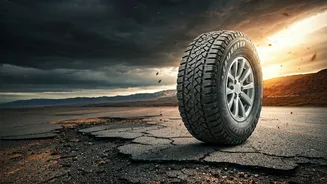
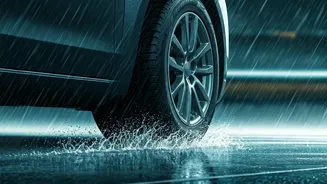
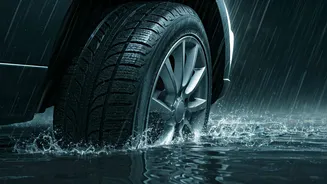
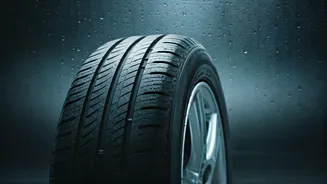
Your tires are your only connection to the road, and their role becomes critical on slick surfaces. The primary danger during a monsoon is hydroplaning, where a layer of water builds between your tires and the asphalt, causing a total loss of steering and braking control. Proper tread depth is your best defense. The deep grooves in your tires are designed to channel water away. You can check the tread with the classic penny test: insert a penny into the tread with Lincoln's head upside down. If you can see all of his head, your tires are worn and it's time for a new set. Also, check your tire pressure. Over- or under-inflated tires can reduce grip. Check the pressure when the tires are cold for an accurate reading and inflate them to the manufacturer's recommendation, found on the sticker inside your driver's side door jamb.
3. Headlights, Taillights, and Signals
Monsoon storms can create near-nighttime conditions in the middle of the day. From blinding sheets of rain to opaque walls of dust (haboobs), visibility can drop to near zero in seconds. You need to see, but just as importantly, you need to be seen. Walk around your vehicle and check that all your lights are working: headlights (both low and high beams), taillights, brake lights, and turn signals. Hazy, yellowed headlight lenses can significantly reduce light output; use a restoration kit or have them professionally cleaned to restore clarity. Properly functioning lights are essential for communicating your intentions to other drivers in low-visibility chaos.
4. The Brake System
Wet roads mean longer stopping distances. This is a simple law of physics you don't want to test with worn-out brakes. If you've been hearing squealing, grinding, or feeling a pulsation in the pedal when you brake, get your system inspected immediately. A mechanic can check your brake pads, rotors, and fluid levels. Even if you don't notice any obvious issues, it’s wise to be mindful of your brakes' condition heading into a season where their performance is paramount. In a sudden storm, the difference of a few feet in stopping distance can be the difference between a close call and a collision.
5. Battery and Terminals
The extreme heat that often precedes a monsoon is brutal on car batteries, accelerating fluid evaporation and internal degradation. A battery that seems fine one day can fail unexpectedly after a long, hot summer. Before the storms roll in, have your battery's charge tested at an auto parts store—many offer this service for free. While you’re under the hood, inspect the battery terminals. Look for fuzzy, greenish-white corrosion, which can inhibit the flow of electricity and prevent your car from starting. If you see any, you can clean it off with a wire brush and a mixture of baking soda and water, ensuring you wear gloves and eye protection.
6. Engine and Cabin Air Filters
Monsoon season in many parts of the U.S. means dust. Massive dust storms can overwhelm your vehicle's air filters. A clogged engine air filter restricts airflow to the motor, reducing performance and fuel efficiency. More importantly for your comfort and health, a dirty cabin air filter will fail to stop dust, pollen, and other pollutants from being pumped directly into the car. Replacing these filters is a simple and affordable maintenance task that ensures your engine breathes easy and you do, too.
7. Seals, Gaskets, and Drains
A torrential downpour will quickly reveal any weaknesses in your car's weather-sealing. Visually inspect the rubber seals around your doors, windows, and sunroof for cracks or brittleness. A small leak can lead to a soaked interior, musty smells, mold growth, and potentially even electrical problems. Just as important are your car's water drainage channels. The area at the base of your windshield, known as the cowl, is designed to drain water away. If it gets clogged with leaves, pine needles, and other debris, water can back up and find its way into the cabin or sensitive electronic components. Clear any visible debris to ensure water has a clear path to exit.