

More Than Just Rice and Lentils
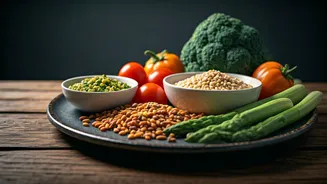
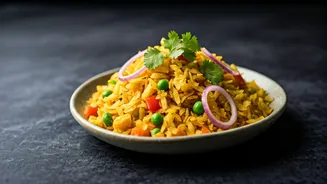
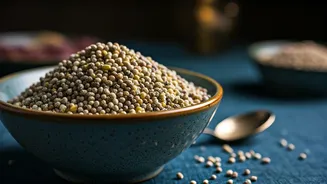
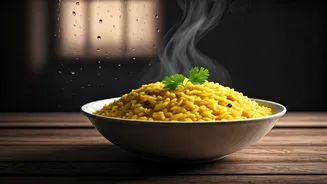
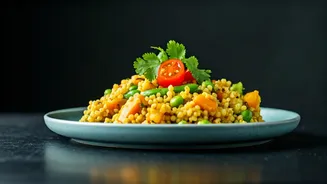
At its most basic, khichdi (pronounced KICH-uh-ree) is a deceptively simple dish: rice and lentils, typically moong dal, cooked together until they collapse into a soft, savory porridge. But to call it just that is like calling a hug just a physical embrace.
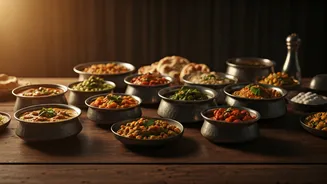
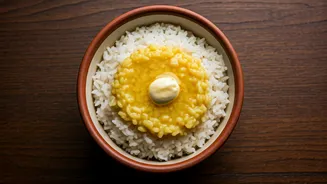
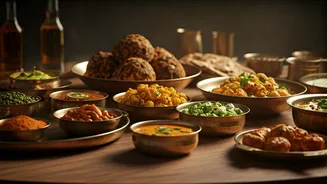
It’s the canvas, not the masterpiece. This humble base is the starting point for a universe of variations across the Indian subcontinent. In Gujarat, it might be looser and served with a tangy yogurt soup called kadhi. In Bengal, the festive bhog’er khichuri is rich with roasted moong dal, vegetables, and fragrant spices. Some versions are plain and gentle; others are complex and spicy. What unites them is their role as the ultimate culinary security blanket. It’s often topped with a generous spoonful of ghee (clarified butter), which melts into golden pools, adding a nutty richness that feels like pure luxury.
The Original Wellness Food
Long before “wellness” became a billion-dollar industry, there was khichdi. In Ayurvedic tradition, it’s considered a perfect food—easy to digest, balancing for the body, and deeply nourishing. It’s the first solid food for babies and the last comforting meal for the elderly. It’s what you eat when you’re recovering from an illness, when your stomach is upset, or when your spirit simply needs a gentle reset. The combination of rice and lentils forms a complete protein, making it nutritionally sound without being heavy. This historical role as a restorative meal is key to its identity. In a world saturated with complex diets and superfood fads, khichdi’s power lies in its ancient, unpretentious simplicity. It doesn’t promise a miracle cure; it offers quiet, reliable restoration, one spoonful at a time.
A Taste of Home, Far From It
For the South Asian diaspora in the U.S., khichdi’s significance transcends the kitchen. It’s a potent symbol of home, a direct line to childhood memories and maternal care. Making a pot of khichdi in a New York apartment or a California suburb is an act of reclamation, a way to conjure the feeling of being looked after. It’s the flavor of a mother’s love when you’re sick with the flu, the smell of a grandmother’s kitchen on a lazy afternoon. In a landscape of tacos and burgers, khichdi remains a deeply personal and cultural touchstone. This emotional resonance is driving its resurgence, particularly among second and third-generation Indian Americans who are exploring and celebrating their culinary heritage in new ways. It's comfort food that bridges generations and continents.
The Modern Makeover
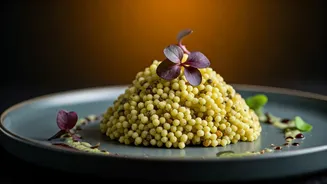
This isn't just a quiet, home-cooked revival. Khichdi is stepping out. On social media, food influencers share visually stunning “khichdi bowls,” adorned with everything from roasted vegetables and crispy onions to avocado and a perfectly fried egg. Modern Indian-American restaurants are putting their own spin on it, elevating the humble dish with gourmet ingredients like quinoa, black rice, or a drizzle of truffle oil. This “comeback” isn’t about changing what khichdi is, but about celebrating it. Chefs and home cooks alike are recognizing that its simplicity is a strength, a perfect foundation for creative expression. This new visibility is introducing khichdi to a wider American audience, who are discovering what South Asians have known for centuries: when life feels complicated, a simple bowl of rice and lentils can be the most satisfying thing in the world.