



Paddling Through a Sea of Stars
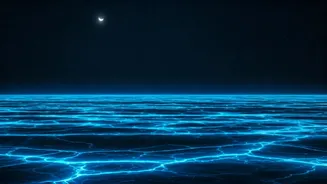
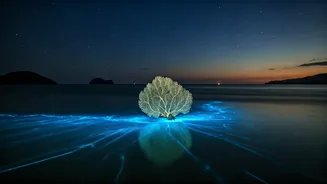
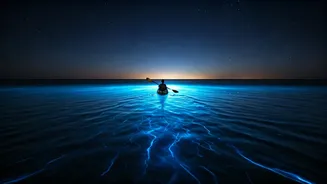
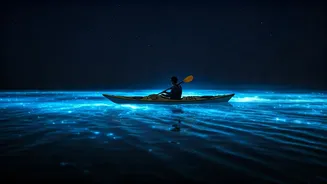
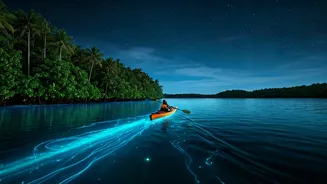
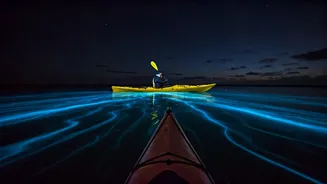
On a moonless night in the Andaman Islands, the line between the sea and the star-filled sky begins to blur. As your kayak glides through the glassy water, every movement creates a trail of ethereal light. A fish darting beneath the surface becomes a fleeting
comet. The gentle splash from your paddle erupts in a silent, glowing firework. This is the heart of the bioluminescence experience: a silent, intimate dance with one of nature’s most enchanting phenomena. It’s an activity that feels both deeply personal and cosmically grand, stripping away the noise of modern life and replacing it with pure, unadulterated wonder. For many travelers, it’s not just a highlight of their trip; it’s the singular moment that defines it.
The Simple Science Behind the Sparkle
So, what exactly is causing this liquid light show? The magic is courtesy of tiny marine organisms called dinoflagellates—a type of phytoplankton. These microscopic life forms float in the water and produce light as a defense mechanism, a phenomenon known as bioluminescence. When the water around them is agitated by a kayak, a paddle, or even a swimming fish, they flash. It’s their way of saying, “Hey, back off!” creating a startling burst of light to scare off potential predators. The result is a direct, visible interaction with a hidden ecosystem. The Andamans' warm, nutrient-rich waters create the perfect conditions for these phytoplankton to thrive, making the archipelago one of the best places on Earth to witness this natural spectacle.
Why the Andamans Are a Prime Destination
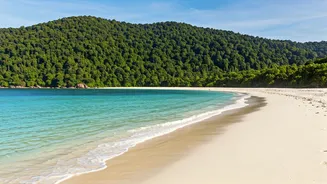
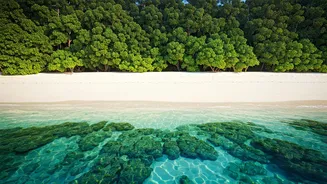
While bioluminescence occurs in oceans worldwide, the Andaman and Nicobar Islands, a remote Indian archipelago in the Bay of Bengal, offer a uniquely pristine setting. The key location for this activity is Havelock Island, officially known as Swaraj Dweep. Its sheltered coves, mangrove forests, and minimal light pollution create the perfect dark canvas for the bioluminescence to pop. The water is exceptionally clear, and the surrounding environment is a protected paradise, meaning the phytoplankton populations are healthy and vibrant. Unlike more developed tourist areas, the experience here feels raw and untouched, allowing you to connect with nature without the distraction of city lights or noisy beachfront bars.
How to Plan Your Glowing Adventure
Timing is everything. For the best and brightest show, plan your kayaking trip around the new moon. The darker the night, the more dramatic the glow. Even a quarter moon can wash out the subtle beauty of the bioluminescence. The ideal season to visit is between November and May, when the seas are calm and the weather is dry. Numerous local operators on Swaraj Dweep (Havelock) offer guided tours. These typically last about 90 minutes and are led by experienced guides who know the safest routes through the mangrove creeks where the phenomenon is most concentrated. They provide all the necessary equipment, including kayaks, life jackets, and a quick briefing. Since it’s a popular activity, it’s wise to book your tour a few days in advance, especially during peak season.
Tips for the Perfect Experience
To make the most of your trip, leave your phone behind or seal it in a waterproof bag. The goal is to minimize artificial light and immerse yourself fully. The glow is often too faint for most phone cameras to capture anyway, so focus on experiencing it with your eyes. Wear comfortable clothing you don’t mind getting a little wet. Most importantly, manage your expectations. Bioluminescence is a natural event, and its intensity can vary based on water conditions, temperature, and the specific concentration of phytoplankton on any given night. Some nights are dazzling, while others are more subtle. But even a faint glimmer, created by your own hand moving through the water, is a profoundly magical experience worth seeking out.