
So, What Exactly Is Gulkand?
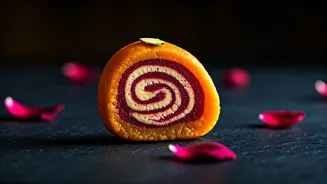
Before we get to the desserts, let’s talk about the star ingredient. Gulkand is a sweet preserve made from rose petals, originating from the Indian subcontinent. The name itself comes from Persian: ‘gul’ (flower) and ‘qand’ (sweet). It's essentially a thick,
jam-like concoction made by slowly sun-cooking or layering fragrant rose petals with sugar. The result is a deeply aromatic, slightly floral, and incredibly delicious preserve with a texture that can range from smooth to delightfully chewy with bits of petal. For centuries, it has been a staple in Ayurvedic traditions, believed to have cooling properties, and is famously used as a filling in paan, the traditional betel leaf mouth freshener. But today, its role is expanding far beyond the paan shop.
The Modern Mithai Makeover
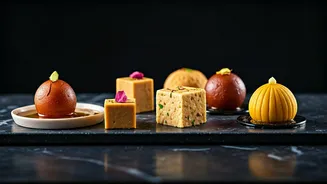
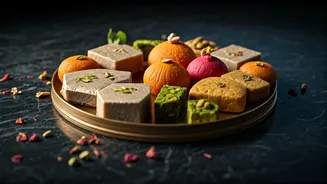
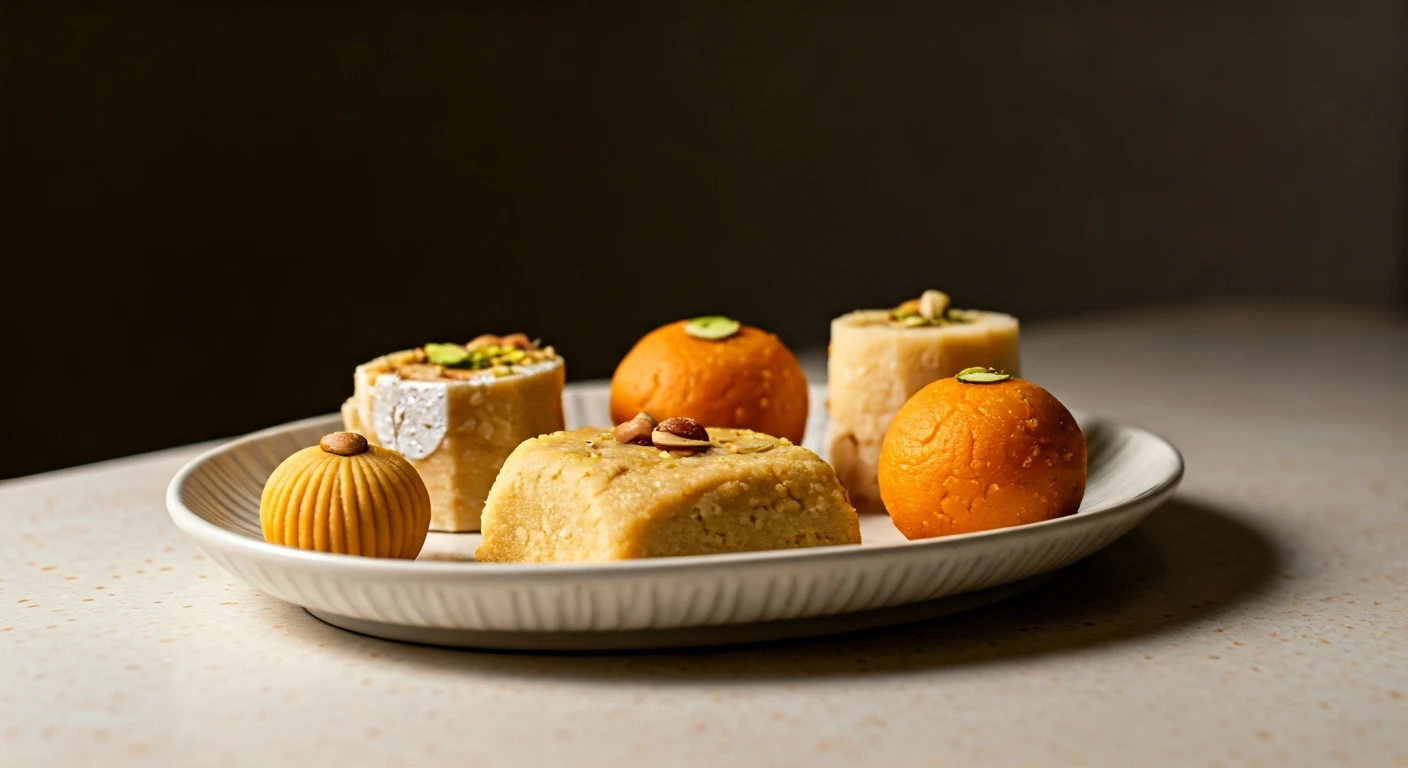
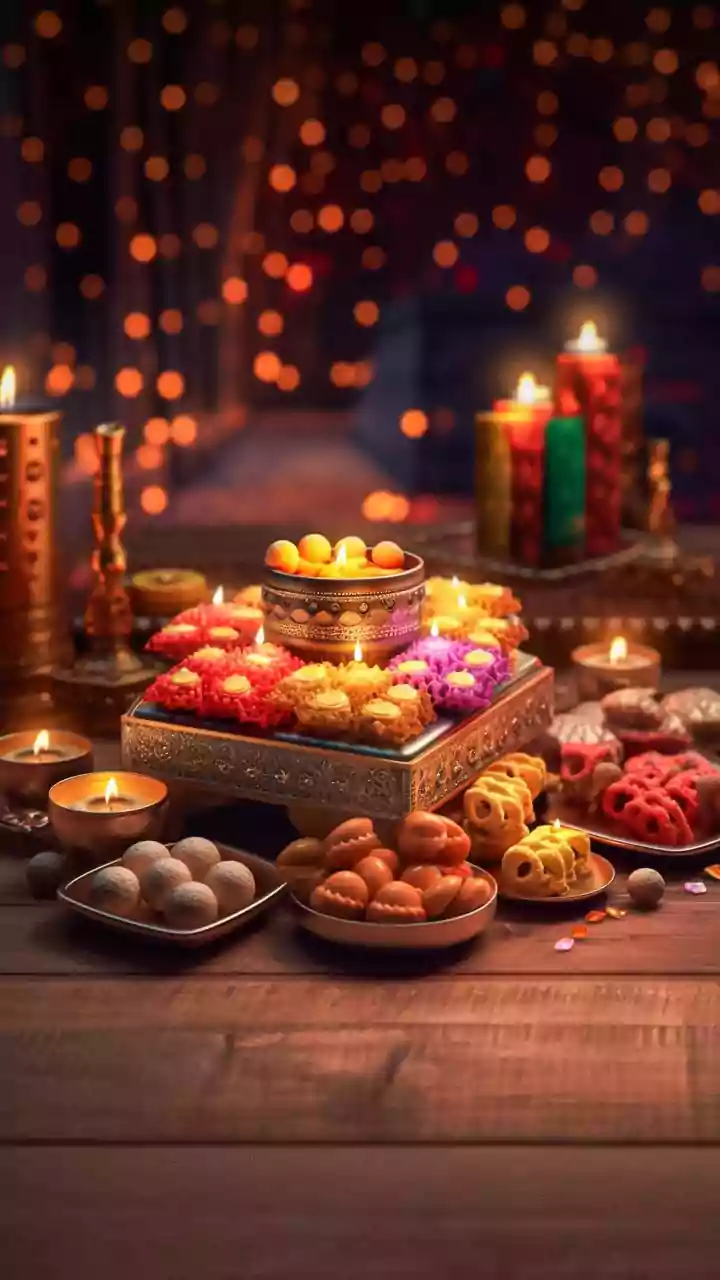
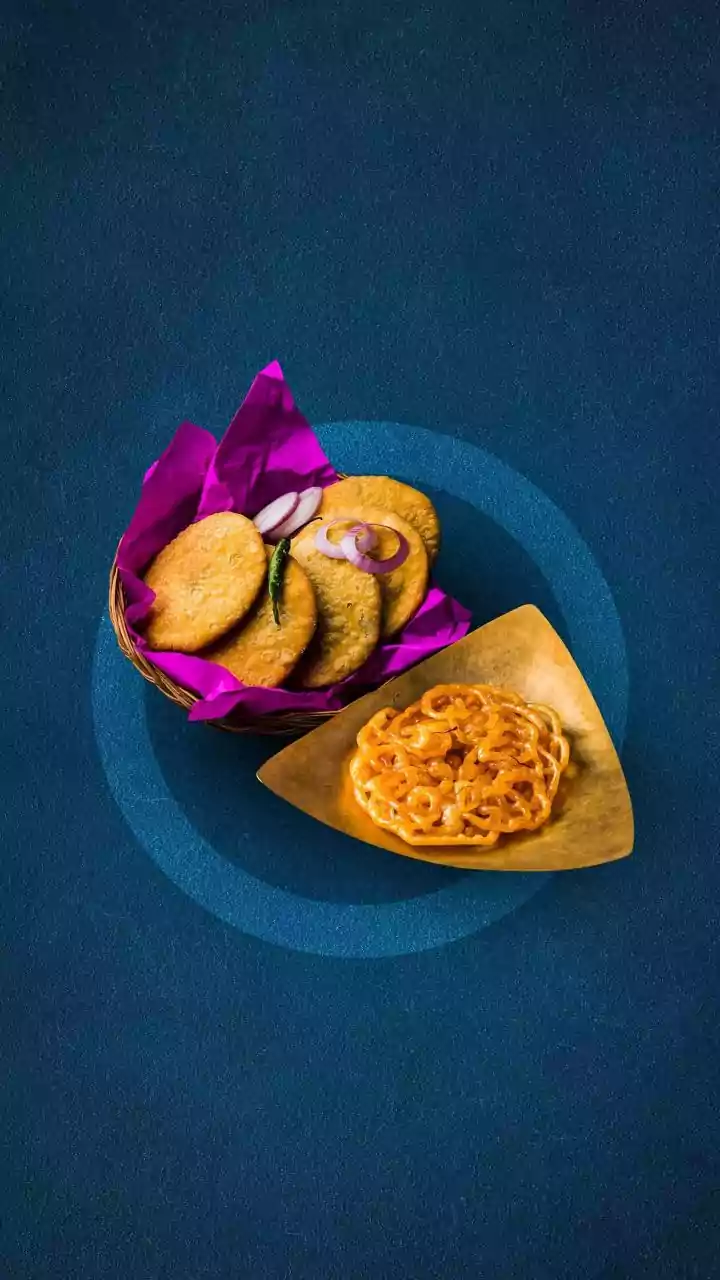
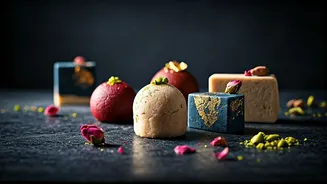
Mithai, the vast and varied world of Indian sweets, is steeped in tradition. Recipes for treats like ladoo (sweet spheres), barfi (milk-based fudge), and jalebi (syrup-soaked fried batter) are often passed down through generations. While delicious, some of these classics were beginning to be seen by younger, globally-influenced palates as perhaps a bit one-note or overly sweet. Enter gulkand. Chefs and mithai-makers in the U.S. and abroad have discovered that gulkand’s unique floral sweetness is the perfect ingredient to reinvent these classics. It adds a layer of complexity that feels both luxurious and fresh. Instead of just a blast of sugar and ghee, you get a fragrant, nuanced flavor profile. The vibrant pink and deep red hues of gulkand also add a natural, Instagram-worthy beauty to the sweets, making them as visually appealing as they are tasty.
From Ladoos to Macarons
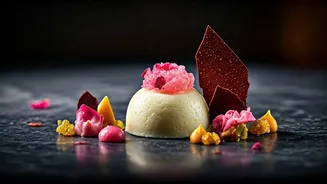
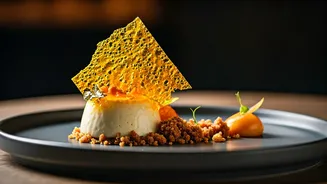
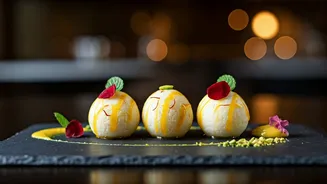
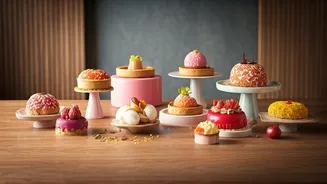
The applications are creative and seemingly endless. You’ll find motichoor ladoos, traditionally made of tiny fried chickpea flour balls, now being stuffed with a surprise gulkand center. Silky cheesecakes and panna cottas are swirled with rose petal jam, balancing the creaminess with a floral lift. Bakeries are infusing French macarons with gulkand filling, creating a perfect fusion of East and West. Even chocolate is getting the treatment, with artisanal chocolatiers crafting gulkand-filled bonbons and truffles. This isn't just about adding a new flavor; it's about re-contextualizing the entire experience of eating mithai. It’s a way of saying that these traditional sweets can be just as dynamic and innovative as any Western pastry.
Why This Trend Is Resonating Now
The rise of gulkand speaks to a larger cultural moment. For the South Asian diaspora, it’s a flavor that bridges generations. It’s nostalgic for older family members who grew up with it, but it’s presented in a new, exciting way that appeals to younger people who may not have connected with the old-school versions. It honors tradition without being trapped by it. Furthermore, the American palate is more adventurous than ever and has become increasingly open to floral notes. For years, flavors like lavender, hibiscus, and elderflower have been popping up in lattes, cocktails, and desserts. Gulkand is a natural next step, offering a familiar floral concept but with a distinctly South Asian soul. It’s an accessible entry point for those unfamiliar with Indian sweets, making the whole category feel more approachable and exciting.