


The Unique Laterite Geology
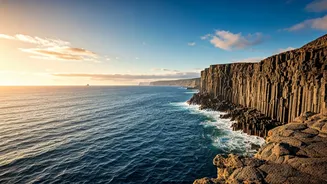
Unlike the granite of Maine or the limestone of the English Channel, the cliffs of the Konkan Coast are primarily composed of laterite. This porous, iron-rich rock gives the landscape its signature reddish-brown hue. Over millennia, the relentless action
of the sea has sculpted these cliffs into breathtaking formations. Photographers will find natural arches, secluded coves, and towering sea stacks that provide powerful subjects. Locations like Harihareshwar are famous for their wave-cut platforms and intricate rock structures, offering endless compositional possibilities that feel both ancient and alive. The texture of the rock itself—pocked and weathered—creates fantastic detail for close-up and abstract shots, especially when hit with the angled light of morning or evening.
A Canvas of Dramatic, Changing Light
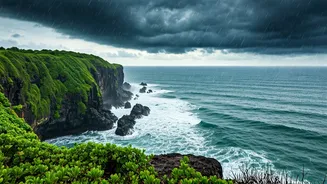
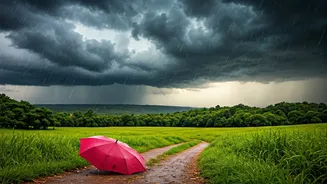
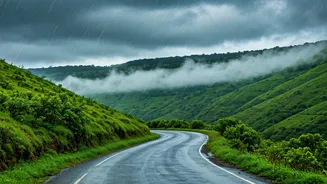
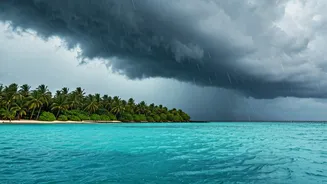
The light here is a character in its own right. During the dry winter months (November to February), the skies are often crystal clear, producing a sharp, high-contrast light that makes the cliffs pop against the deep blue sea. The golden hours are spectacular, bathing the red rocks in a warm, ethereal glow. But the real drama arrives with the monsoon season (June to September). The sky fills with heavy, moody clouds that act as a giant softbox, diffusing the light beautifully. This creates a softer, more atmospheric look, with mist clinging to the cliffs and the ocean turning a turbulent, silvery gray. For a photographer, this seasonal duality means you can capture the same location with two completely different emotional tones.
Dynamic Wave Action and Tidal Pools
A static landscape can be beautiful, but one with movement is captivating. The cliffs of Maharashtra provide the perfect stage for the dynamic energy of the Arabian Sea. During high tide, especially during the monsoon, massive waves crash against the rock faces, sending plumes of spray high into the air. Using a slightly longer shutter speed can transform this chaos into silky, ethereal patterns of water, creating a stunning contrast between the soft motion of the sea and the hard, unyielding cliffs. At low tide, the receding water reveals a world of tidal pools. These natural mirrors reflect the sky and the surrounding cliffs, offering opportunities for incredible reflection shots and a chance to capture the small, intricate marine life left behind.
Unspoiled Vistas and a Sense of Solitude
While some of the world's most famous coastlines are overrun with tourists, much of the Konkan Coast remains relatively untouched. It's not uncommon to find yourself alone on a vast stretch of cliff-top, with nothing but the sound of the wind and waves for company. This solitude is a gift for the landscape photographer. It allows for uninterrupted, patient observation of the changing light and tides. You can set up your tripod and wait for the perfect moment without a crowd of people walking through your frame. The resulting images feel grander and more elemental, capturing a sense of raw, untamed nature that is increasingly hard to find.
A Rich Palette of Earth Tones
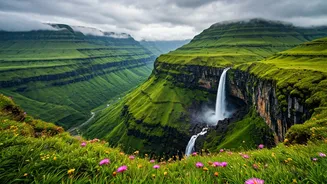
The color theory here is simple but powerful. The dominant colors are the deep, earthy reds and oranges of the laterite rock, the vibrant greens of the palms and monsoon foliage, and the shifting blues of the sea and sky. This limited but harmonious palette creates images that are cohesive and visually pleasing. The red cliffs provide a warm foreground element that contrasts beautifully with the cool tones of the water. During the monsoon, the landscape is electric green, adding another layer of vibrancy. For a photographer, this natural color harmony means less work in post-production and more time focusing on composition. The scenery provides a ready-made masterpiece; your job is simply to frame it.