




Ditch the Daily Watering
One of the biggest chores in traditional gardening is keeping thirsty plants alive, especially during a hot, dry summer. Many popular ornamental plants, like hydrangeas or roses, aren't adapted to the rainfall patterns of every U.S. region, requiring
constant supplemental water to thrive. Native plants, on the other hand, have spent thousands of years adapting to your specific climate. Plants native to the Southwest, like desert marigold or apache plume, are built to handle arid conditions. In the Northeast, species like wild geranium or foamflower are accustomed to the region's typical precipitation. Once they are established in your garden (which usually takes a season or two of regular watering), they can largely fend for themselves, surviving and even thriving on natural rainfall alone. This not only saves you time and effort but also conserves a precious resource and lowers your water bill.
Say Goodbye to Chemical Fertilizers
The battle to perfect your soil is a familiar one for many gardeners. We buy bags of special soil, test pH levels, and apply fertilizers to coax blooms out of fussy, non-native species. Native plants flip this script. They are evolutionarily designed to grow in the soil that already exists in your region. A plant native to the sandy soils of the Eastern Shore doesn't need rich, loamy compost to be happy. A prairie flower from the Midwest is perfectly at home in clay-heavy ground. By choosing plants that are already a match for your local soil, you eliminate the need for a constant regimen of chemical fertilizers. These plants have adapted to pull the nutrients they need from their natural environment. This not only simplifies your garden maintenance but also prevents fertilizer runoff, which can pollute local streams and rivers. Your garden becomes a self-sustaining system rather than one dependent on constant artificial inputs.
Work with Nature, Not Against It
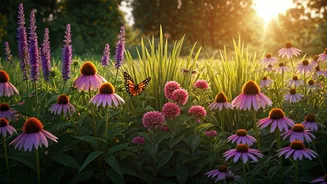
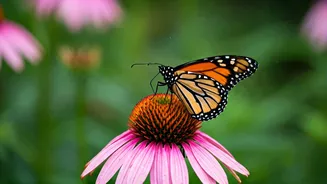
Pests and diseases can feel like a constant siege. Many gardeners resort to chemical pesticides and fungicides to protect their prized plants. But native plants have a built-in advantage: they have co-evolved with local insects and wildlife for millennia. They often have natural defenses, like textured leaves or specific chemical compounds, that deter generalist pests. More importantly, native plants attract beneficial insects—like ladybugs, lacewings, and predatory wasps—that act as a free, all-natural pest control service, preying on aphids and other unwanted visitors. While you may see some leaves getting munched on, this is often a sign of a healthy ecosystem at work. For instance, the monarch butterfly caterpillar relies exclusively on native milkweed for food. By tolerating a little bit of insect activity, you're not just avoiding pesticides; you're actively supporting the local food web.
Create a Thriving Backyard Habitat
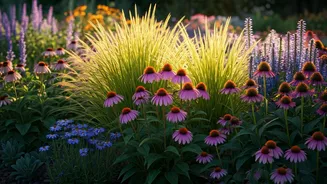
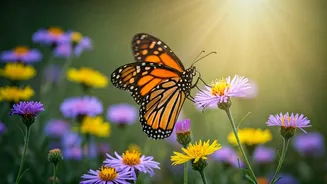
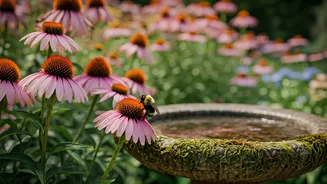
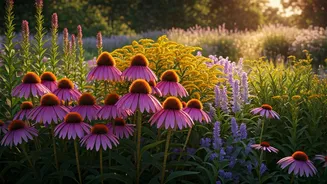
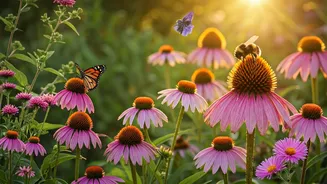
Perhaps the most rewarding aspect of gardening with natives is the life it brings to your yard. These plants provide the specific food, shelter, and nesting sites that local wildlife needs to survive. The berries of a native dogwood or viburnum offer vital winter food for birds like cedar waxwings and cardinals. The nectar from native bee balm or coneflowers is a perfect energy source for local pollinators, from tiny native bees to hummingbirds. Traditional lawns and many non-native ornamentals, like boxwoods or Japanese maples, offer little to no ecological value; they are often referred to as 'food deserts' for wildlife. By planting natives, you are rolling out a welcome mat for birds, butterflies, and beneficial insects. Your garden stops being just a collection of pretty objects and becomes a vibrant, living habitat that contributes to local biodiversity. The daily joy of watching a goldfinch feast on your seed heads is a benefit no hardware store can sell.
How to Get Started
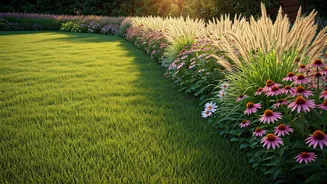
The idea of starting a native garden can feel daunting, but it doesn't have to be an all-or-nothing project. You can begin small. Try replacing a section of your lawn with a small native meadow patch or adding a few native perennials to an existing flower bed. The key is finding the right plants for your specific location. Avoid the big-box stores, which often mislabel plants or sell 'nativars' (cultivated varieties of native species) that may offer fewer ecological benefits. Instead, seek out a local native plant nursery where the staff can offer expert advice. Excellent online resources are also available. The National Wildlife Federation's "Native Plant Finder" and the Audubon Society's "Plants for Birds" database allow you to enter your zip code to generate a list of plants that will thrive in your yard and support local wildlife.